Burn Rate: Definition, Calculation, and Financial Impact
Understand burn rate: the critical metric measuring how fast companies deplete cash reserves.
What is Burn Rate?
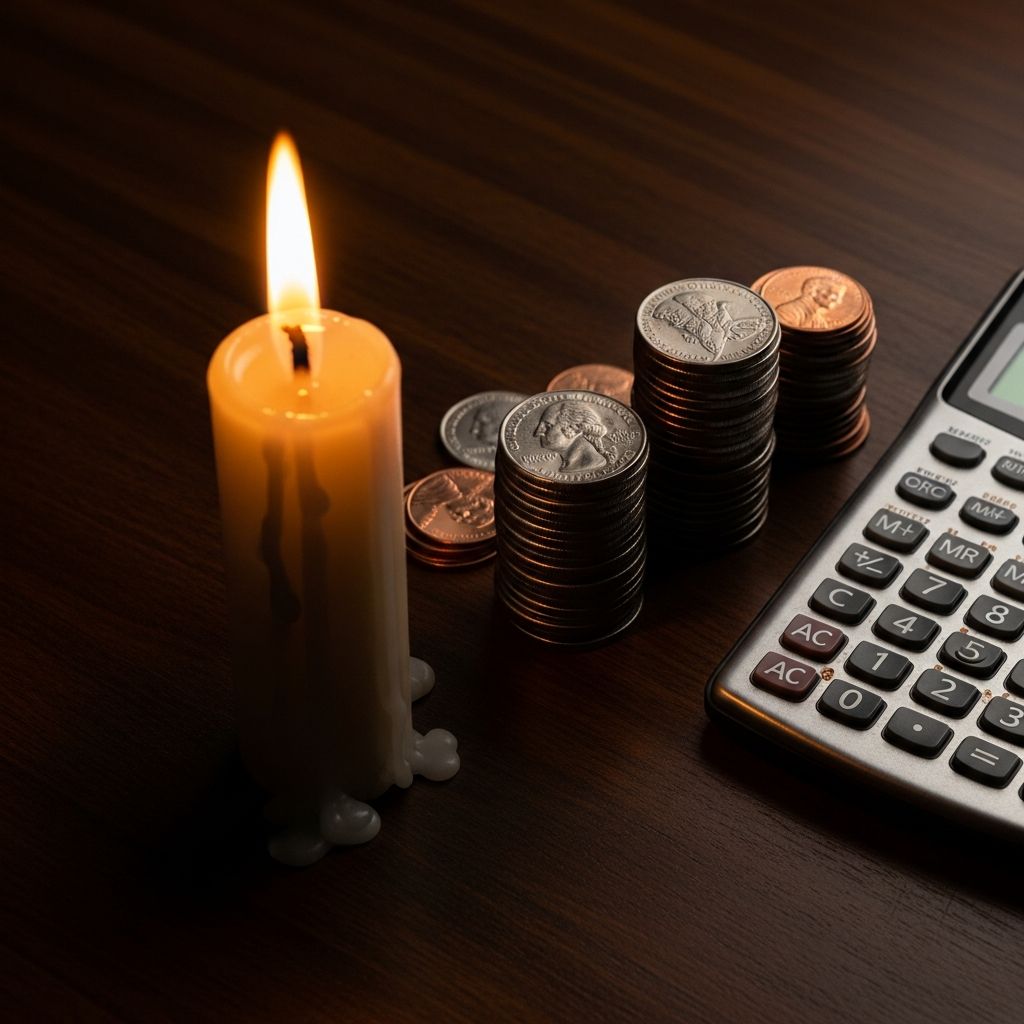
Burn rate is a financial metric that measures the rate at which a company depletes its cash reserves to cover operating expenses before generating sufficient revenue to become self-sustaining. In simpler terms, it represents how quickly a business is spending through its available cash pool, typically measured on a monthly basis. For startups and early-stage companies that operate at a loss while focusing on growth and product development, burn rate is a critical performance indicator used by investors, founders, and financial professionals to assess the company’s financial health and operational efficiency.
The term “burn rate” originates from the concept of a company “burning through” its cash reserves. In some crisis situations, this metric might be measured in weeks or even days rather than months, providing a real-time snapshot of a company’s financial sustainability. Understanding burn rate is essential for any organization seeking to manage its finances effectively and plan for long-term viability.
Understanding Burn Rate Components
Burn rate encompasses two primary calculations that provide different perspectives on a company’s cash consumption patterns. These metrics work together to give stakeholders a comprehensive understanding of financial performance.
Gross Burn Rate
Gross burn rate represents the total amount of cash a company spends each month, encompassing all operational costs regardless of revenue generation. This includes salaries, rent, utilities, marketing expenses, software subscriptions, equipment, and any other business expenditures. The gross burn rate serves as a baseline indicator of the minimum cash flow required to maintain operations.
Calculating gross burn rate is straightforward: it is simply the sum of all monthly operating expenses. For example, if a startup has $50,000 in monthly salaries, $10,000 in rent, $5,000 in utilities, and $15,000 in marketing expenses, the gross burn rate would be $80,000 per month. This metric is particularly useful for understanding whether current spending levels are sustainable given a company’s cash reserves and for identifying areas where cost optimization may be possible.
Net Burn Rate
Net burn rate provides a more comprehensive picture of a company’s financial situation by factoring in both revenue and expenses. It is calculated by subtracting total monthly revenues from total monthly cash expenditures, representing the actual amount of cash the business is losing each month. A negative net burn rate indicates that a company is spending more than it earns, which is common for startups in their early growth phases.
For instance, if a company generates $20,000 in monthly revenue but has gross burn rate of $80,000, the net burn rate would be -$60,000, meaning the company is burning through $60,000 more than it earns each month. Net burn rate is a key indicator of financial health because it demonstrates whether a company is effectively offsetting its expenses with revenue.
How to Calculate Burn Rate
Calculating burn rate requires access to a company’s financial statements and cash flow data. The most common approach involves analyzing cash consumption over a specific period, typically one month.
Step-by-Step Calculation Method
The fundamental formula for calculating burn rate is straightforward: take your beginning cash balance, subtract your ending cash balance, and divide by the number of months in the analysis period. This provides an average monthly burn rate over time. For more accuracy, it is advisable to calculate burn rate over a longer period, such as three to twelve months, as a single month may contain irregular expenses that skew the results.
To calculate net burn rate specifically, use the formula: Total Monthly Cash Expenditures minus Total Monthly Revenues equals Net Burn Rate. This requires tracking both all cash outflows and all cash inflows from business operations, excluding bank transfers and financing activities.
Why Burn Rate Matters
For Startups and Founders
Burn rate is critical for startups because it determines “runway”—the amount of time a company can continue operating before depleting its cash reserves. Understanding runway helps founders plan budgets, allocate resources strategically, and make informed decisions about scaling operations or pivoting business strategies. A high burn rate signals that a startup needs to secure additional funding soon or achieve profitability quickly to avoid financial distress.
For Investors and Venture Capitalists
Investors rely heavily on burn rate to assess a company’s financial stability and potential for growth. A manageable burn rate signals that the company has a clear path to profitability, while a high or accelerating burn rate could indicate significant risk of running out of cash without achieving key business milestones. Seed-stage investors and venture capitalists often provide funding based specifically on a company’s burn rate and revenue projections, as these metrics help determine how long the invested capital will last and whether the company can reach critical growth milestones.
Resource Allocation and Operational Insights
Burn rate analysis helps businesses identify which departments or functions are consuming cash most rapidly. By understanding where money is being spent, companies can adjust spending priorities to focus on initiatives that promote growth and revenue generation. This insight enables more strategic resource allocation and helps eliminate wasteful expenditures.
Burn Rate Across Business Stages
Early Stage and Seed Phase
During the early stage, startups typically have high burn rates because they are investing heavily in product development, customer acquisition, and building infrastructure. At this stage, revenue is minimal or nonexistent, so the company is entirely dependent on external funding. Investors during this phase focus on whether the company can reach key milestones before funds run out.
Growth Stage
In the growth stage, burn rates typically increase further as businesses scale operations. Companies hire additional staff, expand infrastructure, and enter new markets—all contributing to higher cash outflows. However, this increased spending is usually accompanied by growing revenues. To sustain this stage, companies often require additional funding through venture capital rounds or other financing mechanisms.
Maturity Stage
At the maturity stage, companies aim to stabilize their burn rate by achieving consistent cash flow and profitability. Operational efficiency becomes the primary focus, as businesses work to reinvest earnings into growth without heavily relying on external funding. At this point, burn rate typically decreases or transitions to positive cash flow as the company becomes self-sustaining.
The Rule of 40 and Burn Rate Management
For SaaS companies and growth-focused businesses, the Rule of 40 provides a framework for evaluating whether burn rate is appropriate for the company’s growth stage. This rule suggests that the sum of a company’s growth rate (percentage) and its net margin (or negative burn rate as a percentage of revenue) should equal or exceed 40. For example, if a SaaS company has a 20% growth rate and a net burn rate equivalent to 20% of revenue, it meets the Rule of 40, indicating efficient capital usage.
However, if the same company has a 30% burn rate with a 20% growth rate, this may indicate inefficient cash usage and suggest the need to adjust spending or improve operational efficiency. This metric helps investors and founders assess whether a company’s burn rate is proportional to its growth trajectory.
Risks Associated with High Burn Rate
Cash Depletion and Operational Shutdown
The most immediate risk of a high burn rate is the potential to exhaust cash reserves entirely. If a startup cannot achieve sufficient revenue growth or secure additional funding, it may run out of money, leading to layoffs, downsizing, or even complete shutdown of operations. This is why the leading cause of death for startups is often attributed to mismanaged burn rate.
Difficulty Securing Funding
Investors are typically cautious about funding startups with excessively high burn rates unless there is a viable plan for achieving profitability. A high burn rate signals elevated financial risk, which may result in unfavorable valuation terms, reduced investment amounts, or outright rejection from investors. Companies must demonstrate that their burn rate is justified by corresponding growth and progress toward key milestones.
Loss of Operational Flexibility
A high burn rate limits a company’s ability to respond to market changes or unexpected challenges. With limited runway, companies have less time to pivot their strategy, adjust their business model, or weather temporary revenue fluctuations. This reduced flexibility can be particularly problematic in dynamic markets where adaptation is often necessary.
Managing and Optimizing Burn Rate
Cost Structure Analysis
The first step in managing burn rate is conducting a thorough analysis of the company’s cost structure. Identify fixed costs (rent, salaries, insurance) and variable costs (marketing, materials, customer support). Understanding which expenses are controllable and which are essential for growth helps prioritize cost-cutting opportunities.
Revenue Optimization
Rather than only focusing on cutting costs, companies should pursue aggressive revenue growth strategies. Increasing revenue reduces net burn rate directly, improving the company’s financial runway. This might involve optimizing pricing strategies, improving customer acquisition efficiency, or expanding into new market segments.
Avoiding Revenue Variability Pitfalls
One critical factor that must be controlled is variability in revenue. A fall in revenue with no corresponding decrease in expenses can lead to a higher burn rate. Companies should build financial models that account for revenue variability and maintain expense structures that can flexibly adjust to revenue fluctuations.
Strategic Investment Decisions
High burn rates sometimes result from inefficient scaling. If rising customer acquisition costs are not accompanied by corresponding increases in customer lifetime value (LTV), or if revenue growth rates are declining despite higher spending on sales and marketing, this indicates potential inefficiency that should be addressed.
Burn Rate and Financial Health Assessment
A high burn rate suggests that a company is depleting its cash supply at a fast rate, indicating a higher likelihood of entering financial distress. This metric signals to investors that they need to more aggressively establish deadlines for achieving revenue targets or profitability given a set amount of funding. Alternatively, it may indicate that investors need to inject additional cash to provide the company more time to reach profitability.
Conversely, a manageable burn rate demonstrates that the company has control over its finances and a realistic path to sustainability. The ideal burn rate varies significantly depending on the industry, growth stage, and business model, but generally, startups should aim to extend their runway to 18-24 months at current burn rates to provide adequate time for achieving profitability or securing subsequent funding rounds.
Frequently Asked Questions
Q: How is burn rate different from negative cash flow?
A: While related, burn rate specifically measures how quickly a company depletes its existing cash reserves, whereas negative cash flow refers to any period where cash outflows exceed inflows. Burn rate typically refers to the ongoing rate of cash consumption in a company that is not yet profitable, while negative cash flow can occur in any business situation.
Q: Can a profitable company have a burn rate?
A: Technically, a profitable company with positive cash flow would not be described as having a burn rate. The term “burn rate” specifically applies to companies operating at a loss. However, even profitable companies monitor cash consumption for operational efficiency purposes.
Q: What is a good burn rate for a startup?
A: There is no universal “good” burn rate as it depends on industry, growth stage, and business model. However, most investors recommend that startups maintain a runway of at least 18-24 months at their current burn rate. Additionally, burn rate should be proportionate to growth metrics—the Rule of 40 provides a framework for this assessment in SaaS businesses.
Q: How often should a company monitor its burn rate?
A: Companies should review burn rate at least monthly to track trends and identify any unexpected changes in cash consumption. In early-stage startups or during critical phases, more frequent monitoring (weekly or bi-weekly) may be appropriate to catch issues early and make timely adjustments.
Q: What actions can reduce burn rate immediately?
A: Immediate actions include reducing discretionary spending, renegotiating vendor contracts, optimizing marketing spend, implementing hiring freezes, and dividing focus on the most profitable customer segments. However, companies must balance cost reduction with the need to maintain growth momentum and not compromise critical business functions.
References
- Burn Rate: Definition, Calculation, and Importance — Corporate Finance Institute. https://corporatefinanceinstitute.com/resources/accounting/burn-rate/
- Burn Rate: Definition, Calculation, and Management — Growth Equity Interview Guide. https://growthequityinterviewguide.com/growth-equity/saas-metrics/burn-rate
- A Beginner’s Guide to a Company’s Burn Rate — The Reynolds Center for Business Journalism. https://businessjournalism.org/2019/10/a-beginners-guide-to-a-companys-burn-rate/
- What Burn Rate is and How to Calculate It — Stripe. https://stripe.com/resources/more/what-is-burn-rate-what-startups-need-to-know-about-this-key-metric
- Net Burn vs Gross Burn: Burn Rate Guide for Startups — HiBob. https://www.hibob.com/financial-metrics/net-burn/
- Calculating Your Startup’s Cash Burn Rate — The CPA. https://tehcpa.net/calculating-your-startups-cash-burn-rate-is-there-a-right-amount-that-you-need-to-survive/
- How to Calculate Runway & Burn Rate — Visible.vc. https://visible.vc/blog/how-to-calculate-runway/
Similar Articles








Read full bio of Sneha Tete