Building Your First Credit Score Timeline
Discover the realistic timeline for generating your initial credit score and strategies to accelerate credit building for better financial opportunities.
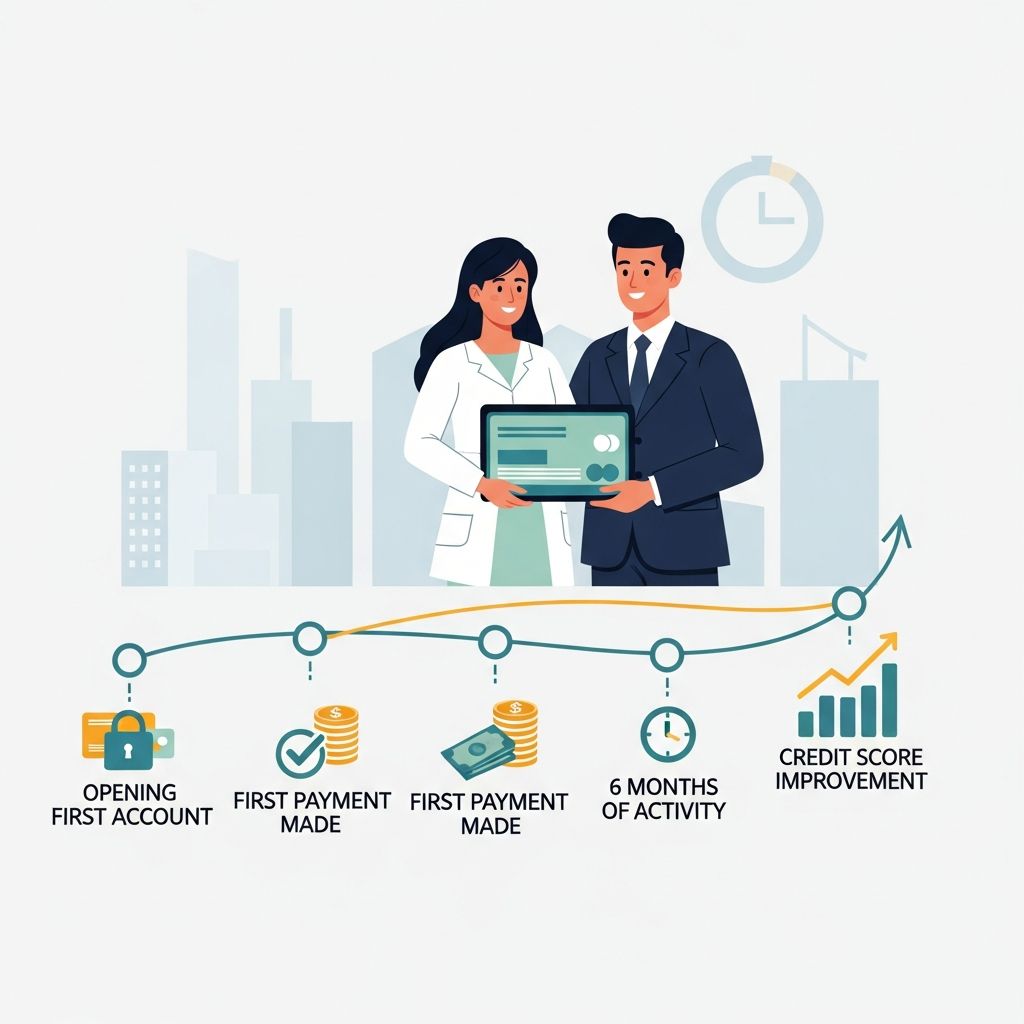
Establishing a credit score requires a minimum period of credit activity, typically ranging from three to six months, depending on the scoring model and the depth of your credit file.
Understanding the Foundation of Credit Scoring
Credit scores serve as numerical summaries of your creditworthiness, drawn from data in your credit reports maintained by major bureaus like Equifax, Experian, and TransUnion. These scores, often ranging from 300 to 850, help lenders assess risk when you apply for loans, credit cards, or mortgages. Without sufficient history, no score can be generated—a situation known as having no score or a thin file.
The process begins when creditors report your account activity to these bureaus, usually monthly. Scoring models like FICO and VantageScore analyze this data only after a certain threshold of information accumulates. Patience is essential, as rushing with multiple applications can introduce hard inquiries that temporarily lower potential scores once generated.
Minimum Timeframes for Score Generation
Most FICO models demand at least one account active within the past six months and a history spanning at least three months before producing a score. VantageScore may generate one slightly sooner with less data, but reliability improves with more activity. For newcomers, expect your first score in 3-6 months after opening and using a credit account responsibly.
- 3 months: Basic requirement for many FICO versions with one reported account.
- 6 months: Common for a more robust initial score, allowing patterns to emerge.
- Beyond 6 months: Thin files persist if only one account exists, limiting score potential.
A single account, even managed perfectly, often results in a thin file, yielding lower scores due to lack of diversity. Adding accounts gradually over time strengthens your profile.
Core Factors That Determine Your Score
Once eligible, scores are computed using weighted categories from your credit report. FICO, the most widely used model, allocates importance as follows:
| Factor | Weight | Description |
|---|---|---|
| Payment History | 35% | Tracks on-time payments, late payments, delinquencies, and collections. Consistent timeliness is crucial. |
| Amounts Owed (Utilization) | 30% | Measures debt levels relative to limits, especially on revolving accounts. Keep under 30% for optimal impact. |
| Length of Credit History | 15% | Evaluates average age of accounts, age of oldest, and newest. Longer histories benefit scores. |
| New Credit | 10% | Counts recent inquiries and new accounts. Multiple inquires signal risk. |
| Credit Mix | 10% | Balances revolving (cards) and installment (loans) debt types. |
These weights can shift slightly based on your profile, but payment history dominates. Positive data like on-time payments builds scores faster than negatives like missed payments, which linger for years.
Strategies to Establish Credit Quickly and Effectively
For those starting from zero, targeted actions can minimize the wait and maximize early scores:
- Secured Credit Cards: Deposit-funded cards report like traditional ones, ideal for beginners. Use lightly and pay off monthly.
- Become an Authorized User: Added to a trusted person’s card with good history; their positive data may boost yours if the issuer reports it.
- Credit-Builder Loans: Small loans where payments build savings and credit simultaneously.
- Retail or Gas Cards: Easier approval for starters, but higher fees—use cautiously.
Avoid common pitfalls: Don’t max out limits or miss payments, as early negatives embed deeply. Monitor progress via free weekly reports from AnnualCreditReport.com and score simulators.
Expected Milestones in Credit Building
Timelines vary by habits, but benchmarks provide guidance:
- 0-6 Months: First score appears (fair range: 580-669 possible with perfect use).
- 6-12 Months: Multiple accounts diversify mix; aim for good (670-739).
- 12-24 Months: History lengthens; excellent (740+) achievable with low utilization and no negatives.
Consistency trumps speed—steady payments over years yield prime scores (740+), unlocking lower rates on auto loans (saving thousands) and mortgages.
Overcoming Challenges with Thin or No Credit Files
A thin file hampers approvals for premium products. Lenders may require alternatives like higher deposits or co-signers. Co-signing helps the primary borrower but adds your liability—ensure they pay reliably.
Disputes errors promptly via bureaus. Immigrants or recent grads often face this; designated services like Experian Boost can incorporate utility payments for faster starts (though not all models use it yet).
Real-World Impacts of Your Credit Score
Beyond loans, scores influence rentals, jobs, insurance premiums, and utilities. A strong score (700+) means better terms: e.g., 3% vs. 5% APR on a $20,000 auto loan saves $1,000+ in interest. Weak starts delay these benefits, compounding costs.
Frequently Asked Questions
How soon can I check my credit score after opening an account?
Wait 3-6 months for data to report and process. Free tools update variably.
Does closing an old account hurt my score?
Yes, it shortens history and may spike utilization. Keep paid-off accounts open.
Can I have different scores from each bureau?
Yes, due to varying lender reporting. Lenders pull specific ones.
What if I have no credit history at all?
Use starter products; scores generate post-activity. Patience yields results.
How often do scores update?
As creditors report (monthly), but pulls generate fresh calculations.
Building credit is a marathon demanding discipline, but early smart moves compound into lifelong advantages. Track diligently, pay promptly, and diversify gradually for optimal results.
References
- How Long Does It Take to Build a Credit Score? — Experian. 2023-01-15. https://www.experian.com/blogs/ask-experian/time-necessary-before-score-can-be-calculated/
- How Long Does It Actually Take To Establish a Credit Score? — Dovly. 2024-05-20. https://www.dovly.com/post/how-long-does-it-take-to-establish-credit-score/
- How is your credit score calculated-and what does it mean? — Fidelity. 2025-03-10. https://www.fidelity.com/learning-center/smart-money/how-is-credit-score-calculated
- How Are Credit Scores Calculated? — Equifax. 2024-11-05. https://www.equifax.com/personal/education/credit/score/articles/-/learn/how-is-credit-score-calculated/
- How are FICO Scores Calculated? — myFICO. 2025-02-28. https://www.myfico.com/credit-education/whats-in-your-credit-score
Similar Articles








Read full bio of Sneha Tete