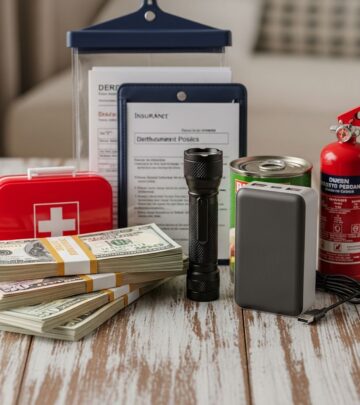
Emergency Fund: 5 Reasons To Build Your Safety Net
Discover how to create and maintain an emergency fund to shield yourself from life's financial surprises and achieve lasting security.

An emergency fund serves as a crucial reserve of cash designed to handle sudden financial disruptions without derailing your overall stability. This dedicated pool of money allows individuals to address urgent needs like medical crises or vehicle breakdowns promptly, avoiding reliance on debt or asset liquidation.
Understanding the Role of an Emergency Reserve
In essence, this financial buffer acts as your first line of defense against unpredictability. Life throws curveballs such as sudden unemployment, where income halts abruptly, or hefty repair bills for home essentials that demand immediate attention. Without such a reserve, people often turn to high-interest credit options, which can spiral into long-term burdens.
Statistics reveal that a significant portion of the population remains unprepared; for instance, reports indicate nearly a quarter of adults have no savings earmarked for crises, heightening vulnerability. By prioritizing this fund, you gain not just monetary protection but also mental tranquility, knowing you’re equipped for adversities.
Key Reasons to Prioritize This Savings Goal
- Job Loss Protection: Covers essential outlays during transitional periods, bridging gaps until new employment secures.
- Health Crisis Coverage: Manages deductibles, treatments, or lost wages from illness without added loans.
- Property Maintenance: Funds urgent fixes like roof leaks or appliance failures, preventing escalation.
- Travel for Family Needs: Supports costs for distant emergencies involving relatives.
- Stress Reduction: Alleviates anxiety from unforeseen costs, fostering better decision-making.
These benefits extend beyond immediate relief; they preserve progress toward larger objectives like retirement or homeownership by curtailing impulsive borrowing.
Determining Your Ideal Reserve Amount
The standard benchmark suggests accumulating enough to sustain
3-6 months
of core living costs, tailored to personal variables. Essential expenditures include housing, utilities, groceries, transportation, and minimal insurance premiums—excluding luxuries.| Factor | Recommended Coverage | Examples |
|---|---|---|
| Stable Dual-Income Household | 3 months | Both partners employed securely |
| Single Earner or Freelancer | 6-12 months | Irregular income, hard-to-replace role |
| High Medical Risks | 6+ months | Chronic conditions or family history |
| Seasonal Employment | 9-12 months | Off-season income dips |
To compute yours, track outflows for 1-2 months using apps or spreadsheets, categorizing into fixed (unchanging) and variable (fluctuating) types. Multiply the total by your chosen multiple, adjusting for support networks or insurance gaps.
Optimal Places to Park Your Funds
Accessibility and safety trump growth potential here. Opt for liquid vehicles offering quick withdrawals sans penalties.
- High-Yield Savings Accounts (HYSA): Earn competitive rates (often 4-5% APY as of recent data), FDIC/NCUA-insured up to $250,000, with seamless transfers.
- Money Market Accounts: Blend checking perks like debit access with higher yields, similarly protected.
- Short-Term Treasuries: Low-risk government securities countering inflation mildly, via ladders for liquidity.
- Avoid: Stocks or long-term bonds due to volatility; daily checking accounts for low/no interest.
Segregate from everyday spending to curb temptations—use separate institutions if needed.
Step-by-Step Plan to Establish Your Reserve
- Assess Current Position: Review bank statements for surplus cash or debts blocking progress.
- Set a Target: Begin modestly, e.g., $1,000 starter fund, then scale to full goal.
- Automate Contributions: Direct 10-20% of income or windfalls (raises, rebates) monthly.
- Cut Non-Essentials: Trim subscriptions, dining out to redirect funds.
- Boost Earnings: Side gigs, selling unused items to accelerate buildup.
- Replenish Post-Use: Treat withdrawals as debt, prioritizing refills.
Even $20 weekly compounds; consistency trumps size initially.
Advanced Tactics for Fund Expansion
Once basics secure, enhance via:
- Windfall Allocation: Tax refunds (average $2,800+), bonuses straight to fund.
- Interest Compounding: HYSA growth accelerates balance organically.
- Hybrid Accounts: Roth IRA contributions withdrawable penalty-free for principal, blending emergency with retirement perks—though less liquid.
- Inflation Hedging: Portion in T-bills yielding above CPI to preserve value.
Monitor annually; as expenses rise, adjust targets accordingly.
Defining True Emergencies vs. Wants
Discipline defines success. Legitimate uses: life/health threats, income loss, critical repairs. Non-qualifiers: vacations, gadgets, elective upgrades. Journal decisions to refine judgment, ensuring fund integrity.
Insurance Synergy: Complementing Your Cash Buffer
Policies cover perils but lag in payouts or deductibles. Pair comprehensive health/auto/home coverage with cash for gaps, maximizing efficiency without overlap.
Common Hurdles and Solutions
| Challenge | Solution |
|---|---|
| Debt Overhang | Prioritize high-interest payoffs first, then parallel-build mini-fund |
| Low Income | Micro-savings ($5/paycheck), expense audits |
| Temptation to Spend | Separate accounts, auto-transfers, accountability partners |
| Inflation Erosion | HYSA or treasuries over basic savings |
Frequently Asked Questions
What if I can’t save 3-6 months right away?
Start small—a $500-1,000 buffer prevents credit use for minor hits, scaling gradually.
Can I invest my emergency money?
Limited yes: low-volatility options only. Prioritize liquidity over returns.
How often should I review my fund?
Quarterly for balances, annually for life changes like family growth or job shifts.
Is a joint fund okay for couples?
Yes, but align on amounts and access rules to avoid conflicts.
What about employer emergency benefits?
Great supplements, but don’t replace personal reserves due to eligibility limits.
Establishing this safety net transforms vulnerability into empowerment, underpinning all financial endeavors.
References
- Emergency Fund: What It Is and Why It Matters — NerdWallet. 2024. https://www.nerdwallet.com/banking/learn/emergency-fund-why-it-matters
- Pros and Cons of Having an Emergency Fund — North Shore Bank. 2023. https://www.northshorebank.com/about-us/connecting-with-you/budgeting/pros-and-cons-of-having-an-emergency-fund
- Comprehensive Guide to Building an Emergency Fund — Vanguard Investor Resources. 2025. https://investor.vanguard.com/investor-resources-education/emergency-fund
- Why Do I Need an Emergency Fund? — John Hancock. 2024. https://www.johnhancock.com/ideas-insights/why-do-i-need-an-emergency-fund.html
- Four Reasons Emergency Funds are Important — 1st United Credit Union. 2023. https://www.1stunitedcu.org/more-for-you/financial-wellness/four-reasons-emergency-funds-are-important
Similar Articles








Read full bio of medha deb