Emergency Fund Guide: Build 3-6 Months For Peace Of Mind
Discover practical strategies to create and maintain an emergency fund that shields you from life's unexpected financial shocks.

An emergency fund serves as a critical buffer against unforeseen financial disruptions, allowing individuals to handle crises without resorting to debt or depleting long-term savings. This dedicated pool of cash provides peace of mind and financial flexibility during tough times.
Understanding the Core Purpose of Emergency Savings
Life’s unpredictability demands preparation. Unexpected events like job loss, medical emergencies, or major repairs can derail budgets quickly. Without reserves, people often turn to high-interest credit cards or loans, compounding problems with added debt. An emergency fund counters this by offering immediate access to funds, preventing reliance on riskier options.
Financial experts emphasize that this fund should cover only true necessities during crises, such as housing, food, utilities, and transportation—not discretionary spending. This distinction ensures the money stretches further when needed most.
Determining the Right Fund Size for Your Life
The standard recommendation is to save three to six months’ worth of essential living expenses. This range accounts for most scenarios, providing time to recover from setbacks like unemployment.
To calculate your target:
- Track monthly essentials: rent/mortgage, groceries, utilities, minimum debt payments, insurance, and transport.
- Multiply by 3-6 based on stability—opt for the higher end if you have dependents, work in volatile industries, or face health challenges.
- Adjust for unique factors: freelancers or single-income households may need 9-12 months.
| Household Type | Recommended Months | Key Considerations |
|---|---|---|
| Stable dual-income, no kids | 3 months | Low risk of prolonged unemployment |
| Single income with dependents | 6-9 months | Higher vulnerability to income loss |
| Freelancer or retiree | 9-12 months | Inconsistent or fixed income |
| High-risk job industry | 6+ months | Frequent layoffs possible |
For a household with $4,000 monthly essentials, aim for $12,000-$24,000. Start small if overwhelming—$1,000 offers initial protection.
Prime Locations for Parking Your Emergency Cash
Choose accounts that balance liquidity, safety, and growth. High-yield savings accounts (HYSAs) top the list: FDIC-insured up to $250,000, earning competitive interest with easy access.
- High-Yield Savings: Best for most; rates often exceed traditional savings, no fees, online access.
- Money Market Accounts: Similar yields, check-writing privileges, but transaction limits.
- Certificates of Deposit (CDs): Higher rates for locked terms; ladder them for partial liquidity.
- Avoid stocks or retirement accounts—penalties and market risk make them unsuitable.
Separate the fund from daily checking to curb impulsive withdrawals. Automate transfers post-payday for steady growth.
Step-by-Step Blueprint to Launch Your Fund
Building takes discipline but yields massive returns in security. Follow this roadmap:
- Assess Current Finances: Review income, debts, and spending. Pay down high-interest debt first if over 7% APR.
- Set a Micro-Goal: Target $500-$1,000 initially to build momentum.
- Automate Contributions: Transfer 10-20% of income; treat it like a bill.
- Boost Income Streams: Side gigs, sell unused items, or negotiate raises funnel extra cash.
- Reevaluate Quarterly: Adjust for life changes like raises or new expenses.
Pro tip: Windfalls like tax refunds or bonuses go straight to the fund. Resist lifestyle inflation by redirecting raises.
Real-Life Scenarios Where Funds Shine
Consider these common crises:
- Job Loss: Covers bills while job hunting; supplements unemployment benefits.
- Health Crises: Pays deductibles or lost wages from illness.
- Vehicle Breakdown: Funds repairs without loans—critical for commuters.
- Home Repairs: Handles HVAC failures or roof leaks.
- Family Emergencies: Travel for funerals or caregiving.
Statistics underscore urgency: Over 35% of Americans can’t cover a $400 surprise, often leading to debt at 22%+ interest.
Steering Clear of Common Traps
Mistakes can undermine progress:
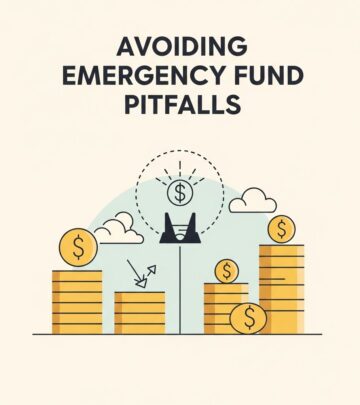
- Dipping for Non-Emergencies: Reserve for true shocks, not vacations or gadgets. Create a separate ‘fun’ fund.
- Keeping in Low-Yield Accounts: Inflation erodes value; seek 4%+ APY.
- Ignoring Replenishment: Refill immediately after use.
- Over-Saving: Beyond 6-12 months, invest excess for growth.
- Not Insuring Adequately: Funds complement, don’t replace, insurance.
Leveraging Tools and Habits for Success
Apps like Mint or YNAB track progress. Budget 50/30/20: 50% needs, 30% wants, 20% savings/debt. Celebrate milestones to stay motivated—small rewards from non-fund money.
For families, involve everyone: kids learn by contributing allowance portions.
Advanced Tactics for Robust Protection
Once basics are covered:
- Laddered CDs: Stagger maturities for access and yields.
- Multiple Buckets: Core (3 months liquid), extended (3 more in slightly less accessible spots).
- Inflation Adjustments: Increase targets annually by 2-3%.
- Partner Coordination: Joint funds for couples, individual for singles.
Frequently Asked Questions
What counts as an emergency?
True urgencies: income loss, health issues, essential repairs. Skip planned expenses like holidays.
Can I use my 401(k) instead?
No—early withdrawals incur taxes and penalties, reducing value significantly.
How fast should I build it?
Aim for full funding in 6-12 months; consistency trumps speed.
What if I have debt?
Prioritize $1,000 starter fund, then high-interest debt, then full build.
Is a year’s worth necessary?
For high earners, sole providers, or retirees—yes, for extra security.
Maintaining an emergency fund transforms financial vulnerability into resilience. Start today—your future self will thank you.
References
- Pros and Cons of Having an Emergency Fund — North Shore Bank. 2023. https://www.northshorebank.com/about-us/connecting-with-you/budgeting/pros-and-cons-of-having-an-emergency-fund
- Emergency Fund: What It Is and Why It Matters — NerdWallet. 2025-01-15. https://www.nerdwallet.com/banking/learn/emergency-fund-why-it-matters
- Comprehensive Guide to Building an Emergency Fund — Vanguard. 2024. https://investor.vanguard.com/investor-resources-education/emergency-fund
- The Importance of Having an Emergency Fund — Nebraska Bank. 2024. https://www.ne.bank/the-importance-of-having-an-emergency-fund
- Emergency fund: What it is and why you should have one — Fidelity. 2025-02-01. https://www.fidelity.com/learning-center/smart-money/emergency-fund
- Four Reasons Emergency Funds are Important — 1st United Credit Union. 2023. https://www.1stunitedcu.org/more-for-you/financial-wellness/four-reasons-emergency-funds-are-important
Similar Articles








Read full bio of medha deb