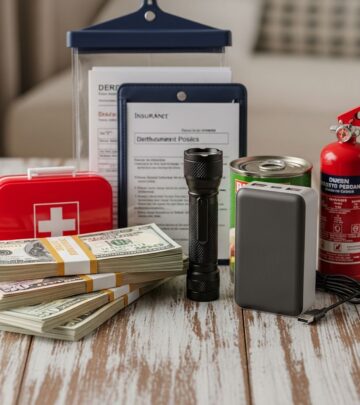
Emergency Fund: 5 Steps To Build A Financial Safety Net
Discover why an emergency fund is your first line of defense against life's surprises and how to build one that lasts.

An emergency fund acts as a dedicated pool of cash designed to cover unforeseen expenses or income disruptions, providing stability during crises like medical emergencies or job loss. This reserve empowers individuals to respond without resorting to high-cost borrowing or disrupting long-term plans.
The Core Role of an Emergency Reserve in Modern Life
In an era of economic volatility, maintaining liquid savings separate from daily spending accounts is crucial. Such a fund cushions against sudden events, from appliance breakdowns to temporary unemployment, ensuring decisions remain rational rather than reactive. Financial experts consistently emphasize its priority over other goals, as it forms the foundation for broader wealth-building efforts.
Without this buffer, many turn to credit options carrying annual percentage rates exceeding 20%, trapping them in cycles of repayment that erode future savings potential. By contrast, a well-stocked reserve promotes mental clarity, allowing focus on solutions rather than survival.
Key Advantages That Make It Indispensable
Establishing this financial backstop delivers multifaceted benefits, transforming potential disasters into manageable hurdles.
- Debt Prevention: It eliminates the need for payday loans or maxed-out cards during crises, preserving credit scores and avoiding compounding interest burdens.
- Decision-Making Freedom: With security in place, individuals can pursue career shifts, negotiate better terms, or relocate without immediate cash pressures.
- Stress Reduction: Knowing resources exist for essentials reduces anxiety, fostering better sleep and productivity amid uncertainty.
- Investment Protection: Avoid forced sales of stocks or retirement assets at depressed values, safeguarding portfolio growth over time.
These perks extend to families, where dual-income reliance heightens vulnerability to single disruptions, making collective preparedness even more vital.
Assessing Your Ideal Savings Target
Determining the right amount hinges on personal circumstances, but guidelines from financial authorities suggest 3 to 6 months of core living costs as a baseline. Core expenses include housing, utilities, groceries, transportation, and minimum debt payments—excluding luxuries like dining out.
| Household Type | Recommended Months of Expenses | Rationale |
|---|---|---|
| Single, Stable Job | 3-6 | Quick re-employment likely |
| Dual-Income Family | 6 | One income loss impacts heavily |
| Freelancer/Variable Income | 6-12 | Income unpredictability |
| Health Challenges | 9-12 | Ongoing medical risks |
To calculate, tally monthly essentials and multiply by the suitable factor. For a $4,000 monthly baseline, aim for $12,000-$24,000. Those in high-cost areas or with dependents often exceed this to account for elevated risks.
Prime Locations for Storing Your Reserve
Liquidity and safety define optimal placement. Opt for FDIC-insured high-yield savings accounts (HYSA) offering competitive rates—currently up to 5% APY—while ensuring penalty-free access. These outperform traditional savings and remain insulated from market swings.
Money market accounts provide similar perks with check-writing capabilities, ideal for larger sums up to $250,000 per depositor. Avoid stocks or bonds here; the fund’s purpose demands principal preservation over growth.
- HYSA: Easy transfers, interest accrual.
- Money Market: Added flexibility for checks.
- Short-term CDs: Only for portions not needed imminently, as early withdrawal penalties apply.
Separate the account from checking to curb impulsive dips, automating transfers post-payday for effortless growth.
Step-by-Step Blueprint for Accumulation
Launching requires intentionality, starting small to build habit and momentum.
- Audit Your Budget: Track inflows and outflows for 30 days using apps or spreadsheets to pinpoint cuts in subscriptions, entertainment, or impulse buys.
- Set Automation: Direct 10-20% of income—or a fixed $100 biweekly—into the fund until targets hit.
- Leverage Windfalls: Funnel bonuses, refunds, or side gigs directly, accelerating progress without lifestyle inflation.
- Downsize Temporarily: Cook more, cancel unused services, or carpool to redirect $200+ monthly.
- Track Milestones: Celebrate $1,000, then $5,000 with non-spending rewards like a home workout.
Even $20 weekly compounds to over $1,000 yearly, proving consistency trumps intensity.
Overcoming Obstacles and Staying Committed
Common hurdles include low income or existing debt. Prioritize the fund alongside high-interest debt repayment (over 7% APR), as both yield returns. For tight budgets, begin with $500-$1,000 as a starter goal, expanding as stability improves.
Life evolves—marriage, kids, or moves inflate needs—so review quarterly. If expenses rise 10%, adjust targets upward. Resist using the fund for planned purchases; replenish any draws within months.
True-Life Illustrations of Its Power
Consider a technician facing $3,000 transmission failure: With reserves, payment occurs without loans; without, credit card debt lingers years. Or a parent hit by child’s hospitalization—fund covers deductibles, avoiding drained savings elsewhere.
During 2020 downturns, those with buffers navigated layoffs calmly, unlike peers liquidating 401(k)s at lows, incurring taxes and penalties. Statistics show households with 3+ months’ savings recover 50% faster from shocks.
Advanced Tweaks for Maximum Effectiveness
For high earners, ladder accounts: One for 3 months in HYSA, excess in no-penalty CDs. Families might designate “fun funds” separately to prevent raiding the core reserve. Pair with insurance reviews—ample coverage reduces fund size needs.
In inflationary times, high-yield options preserve purchasing power, outpacing 3-4% rises. Digital tools like Acorns or Qapital round up purchases, funneling micro-sums painlessly.
Frequently Asked Questions
What counts as a true emergency?
Unexpected, essential costs like repairs or bills—not vacations or gadgets. Reserve for survival needs only.
Can I invest my emergency fund?
No; prioritize accessibility and stability. Use investments for other goals post-fund completion.
How long to build 6 months’ worth?
At $200/month, 2-3 years for $24,000. Windfalls shorten this significantly.
What if I have debt?
Build a $1,000 starter while tackling high-interest debt, then resume full contributions.
Is a 401(k) a substitute?
Not ideal—withdrawals face taxes/penalties before 59½, eroding value versus liquid savings.
Maintaining Momentum Long-Term
Treat the fund as living insurance: Annual audits align it with realities. As income grows, boost contributions proportionally. This habit not only secures today but seeds habits for retirement and legacy planning.
References
- Understanding the Importance of an Emergency Fund — Amerant Bank. 2023-05-15. https://www.amerantbank.com/ofinterest/understanding-the-importance-of-an-emergency-fund/
- Why you should have an Emergency Fund — New York Life. 2024-02-10. https://www.newyorklife.com/articles/importance-of-emergency-fund
- Emergency Fund: What it Is and Why it Matters — NerdWallet. 2025-01-20. https://www.nerdwallet.com/banking/learn/emergency-fund-why-it-matters
- Comprehensive Guide to Building an Emergency Fund — Vanguard Investor Resources. 2024-11-05. https://investor.vanguard.com/investor-resources-education/emergency-fund
- Emergency Fund: What it Is and Why it Matters — FDIC via NerdWallet Reference. 2023-08-12. https://www.fdic.gov/resources/consumers/consumer-news/2023-08.html
Similar Articles








Read full bio of medha deb