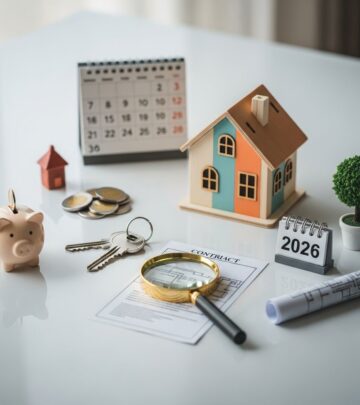
Building Your Custom Home: 8 Essential Steps For 2026
Navigate the complete process of constructing your dream home from site selection to final walkthrough with expert mortgage insights.
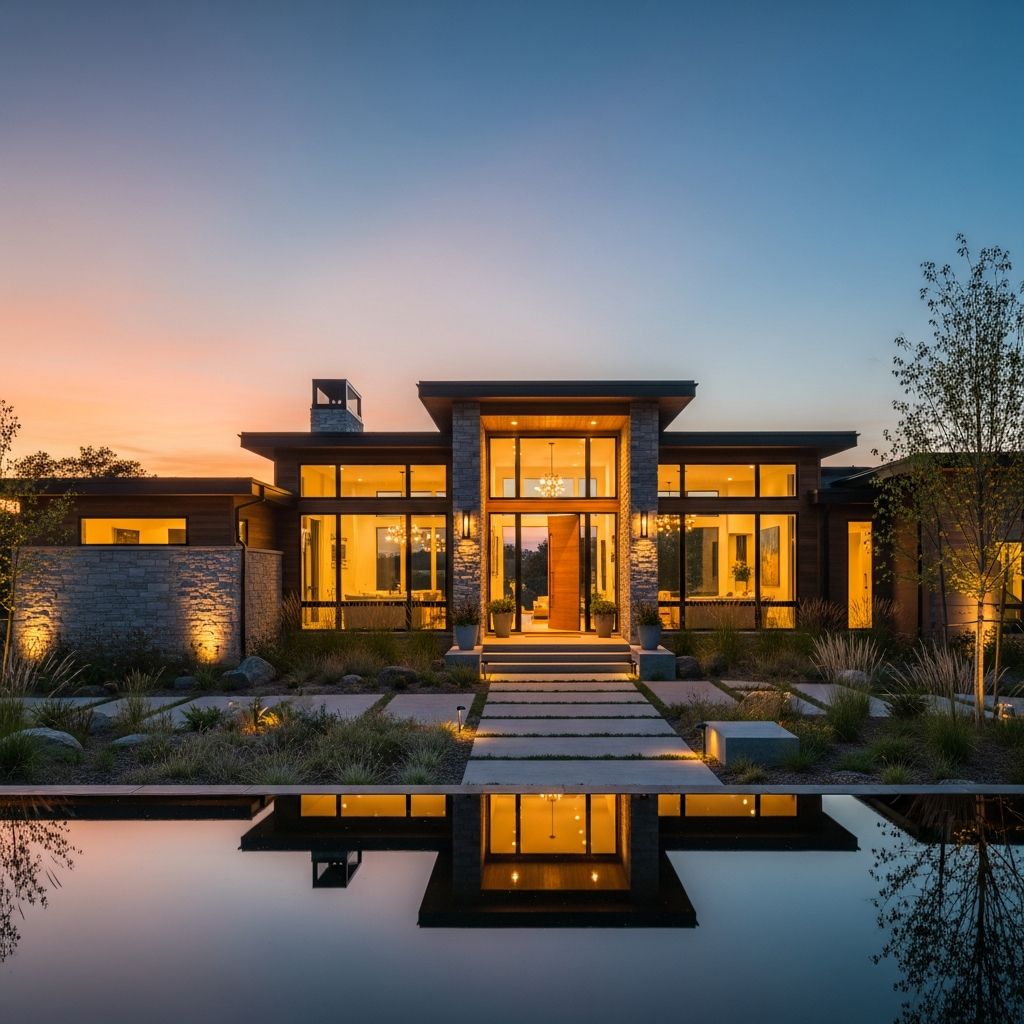
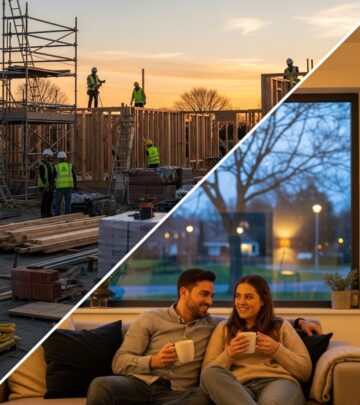
Constructing a custom home offers unparalleled personalization, allowing you to design a property tailored to your lifestyle and needs. Unlike purchasing a pre-existing house, building from the ground up involves securing land, obtaining financing through specialized loans, and overseeing construction phases. This guide outlines the essential steps, financing strategies, and practical tips for success in today’s market.
Why Choose to Build Instead of Buy?
Building a custom home provides freedom to incorporate modern energy-efficient features, optimal layouts, and high-quality materials from the start. Homebuyers often select this path to avoid renovations on older properties or to match specific lot locations. In 2026, with rising material costs and interest rates stabilizing, custom builds can offer long-term value through customization that aligns with personal preferences and future resale potential.
Key advantages include:
- Energy-efficient designs reducing utility bills.
- Custom floor plans suited to family dynamics.
- Selection of durable, modern materials.
- Integration of smart home technology during construction.
Step 1: Evaluate Your Readiness and Budget
Begin by assessing your financial health, including credit score, debt-to-income ratio, and savings for down payments. For custom builds, expect higher upfront costs covering land, permits, and construction. Use online calculators to estimate total expenses, factoring in property taxes, insurance, and ongoing maintenance.
A strong credit score above 620 unlocks better rates on construction loans. Gather documents like pay stubs, tax returns, and bank statements early to streamline lender approvals. Aim for a 20% down payment on land and initial construction phases to minimize interest accrual.
| Expense Category | Estimated Percentage of Total Cost | Example for $500K Build |
|---|---|---|
| Land Acquisition | 10-20% | $50,000-$100,000 |
| Construction Labor & Materials | 60-70% | $300,000-$350,000 |
| Permits & Fees | 5-10% | $25,000-$50,000 |
| Finishing Touches (Appliances, Landscaping) | 10-15% | $50,000-$75,000 |
Step 2: Secure Land and Verify Buildability
Finding suitable land is foundational. Search for parcels zoned for residential construction, with access to utilities like water, sewer, and electricity. Conduct soil tests, environmental assessments, and flood zone checks to ensure stability and compliance.
Popular strategies include:
- Partnering with local realtors specializing in vacant lots.
- Reviewing county records for zoning restrictions.
- Budgeting for surveys and preliminary engineering reports.
Proximity to schools, commuting routes, and amenities enhances long-term livability. In competitive markets, act quickly on desirable lots matching your vision.
Step 3: Assemble Your Professional Team
A reliable team prevents costly delays. Hire a licensed architect for blueprints, a general contractor for oversight, and subcontractors for specialized work like plumbing and electrical. Verify credentials through state licensing boards and request references from past projects.
Essential roles:
- Architect/Designer: Translates ideas into detailed plans.
- General Contractor: Manages timeline, budget, and daily operations.
- Engineer: Ensures structural integrity and code compliance.
- Lender Specialist: Guides construction-to-permanent financing.
Clear contracts outlining scope, timelines, payment schedules, and change order processes protect all parties.
Step 4: Navigate Financing Options
Traditional mortgages don’t suit construction; opt for construction loans converting to permanent mortgages upon completion. These short-term loans (6-18 months) fund phased draws based on progress inspections.
Compare options:
| Loan Type | Down Payment | Key Features |
|---|---|---|
| Construction-to-Permanent | 20-25% | Single closing; converts automatically. |
| Construction-Only | 25-30% | Requires refinancing at end. |
| FHA One-Time Close | 3.5% | Low down for qualified buyers. |
| VA Construction | 0% | For veterans; strict builder requirements. |
Shop at least three lenders for competitive rates. Programs like Chase DreaMaker offer 3% down with flexible guidelines. Pre-approval strengthens your position with sellers and builders.
Step 5: Design and Plan Your Home
Collaborate on blueprints incorporating must-haves like open-concept kitchens or home offices. Factor in future needs such as aging-in-place features or extra bedrooms. Use 3D modeling software for visualizations and cost projections.
Prioritize:
- Layout efficiency for daily flow.
- Sustainable materials for lower costs.
- Resale-friendly neutral aesthetics.
Step 6: Obtain Permits and Approvals
Submit plans to local authorities for building permits, which verify code compliance. This phase includes zoning variances if needed and utility connections. Timelines vary by jurisdiction—budget 4-12 weeks.
Common requirements: site plans, elevation drawings, energy efficiency certifications.
Step 7: Oversee Construction Phases
Construction unfolds in stages: foundation, framing, rough-ins (plumbing/electrical), insulation, drywall, and finishes. Lender inspections trigger draw payments. Visit weekly to monitor quality and address issues promptly.
- Site Preparation: Clearing, grading, foundation pour.
- Framing: Structural skeleton erection.
- Systems Installation: HVAC, wiring, plumbing.
- Interior/Exterior Finishes: Roofing, siding, painting.
- Final Touches: Fixtures, appliances, landscaping.
Track budget via apps or spreadsheets; change orders add 10-20% if not controlled.
Step 8: Final Inspections and Conversion to Mortgage
Certificate of Occupancy (CO) confirms habitability post-inspections. Convert construction loan to permanent mortgage, locking in the end loan rate. Conduct a walkthrough noting punch list items for builder correction.
Potential Challenges and Solutions
Delays from weather or supply chains are common—build buffers into timelines. Rising costs require contingency funds (10-15%). Communicate regularly with your team to mitigate risks.
- Cost Overruns: Detailed bids and fixed-price contracts.
- Timeline Slips: Experienced contractors with proven schedules.
- Unexpected Issues: Thorough site due diligence upfront.
Cost-Saving Strategies
Opt for modular or prefabricated elements to cut labor. Select stock fixtures over custom. Time builds during off-peak seasons for better pricing. Explore first-time buyer grants up to $10,000.
FAQs
How long does it take to build a custom home?
Typically 6-12 months, depending on size, location, and weather.
What’s the difference between a construction loan and a regular mortgage?
Construction loans are short-term with interest-only payments during building; they convert to fixed-rate mortgages.
Can first-time buyers qualify for construction financing?
Yes, with programs like FHA offering low down payments for eligible applicants.
Do I need a real estate agent for land purchase?
Recommended for negotiation and due diligence.
What if costs exceed my budget during construction?
Contingency funds and lender approvals for draws help manage overruns.
References
- Washington First Time Home Buyer Guide (2026 Updates) — Houzeo. 2026. https://www.houzeo.com/blog/how-to-buy-a-house-in-washington/
- First-Time Homebuyer Guide — Bankrate. 2026. https://www.bankrate.com/mortgages/first-time-homebuyer-guide/
- (2026 BUYERS GUIDE) The Home Buying Rules Have Changed — YouTube (Wayne Turner). 2026. https://www.youtube.com/watch?v=dXfYTfdhQVI
- How to prepare your finances to buy a house in 2026 — Rocket Mortgage. 2026. https://www.rocketmortgage.com/learn/how-to-prepare-finances-to-buy-2026
- Could More First-time Buyers Make the Math Work in 2026? — National Association of Realtors. 2026. https://www.nar.realtor/magazine/real-estate-news/could-more-first-time-buyers-make-the-math-work-in-2026
- First-Time Home Buyer in Washington Guide — America’s Credit Union. 2026. https://www.youracu.org/first-time-home-buyer-in-washington-guide/
Similar Articles








Read full bio of medha deb