Building Credit Without Traditional Credit Cards
Discover proven alternative strategies to establish and strengthen your credit profile

Establishing a solid credit history is essential for financial success, yet many people believe they must obtain a traditional credit card to achieve this goal. However, numerous effective alternatives exist for those who wish to build credit without relying on conventional card products. Whether you’re just starting your financial journey, recovering from past credit challenges, or simply prefer alternative methods, understanding these options can open doors to improved financial opportunities.
Understanding Credit Building Fundamentals
Credit scores represent a numerical summary of your creditworthiness based on your payment history, amounts owed, length of credit history, new credit inquiries, and credit mix. Financial institutions use these scores to determine whether to extend credit and at what interest rates. Building credit demonstrates to lenders that you can manage borrowed funds responsibly and repay obligations on schedule.
The traditional pathway through credit cards works because card issuers report payment activity to major credit bureaus such as Equifax, Experian, and TransUnion. However, this isn’t the only way to generate the credit activity needed to develop a strong credit profile. Multiple alternative mechanisms exist that accomplish similar reporting objectives without requiring a traditional credit card application or approval.
Credit Builder Loans: A Structured Approach
Credit builder loans represent one of the most straightforward alternatives for establishing credit history without a traditional credit card. These specialized loans function on an inverse principle compared to conventional borrowing arrangements. Rather than receiving funds upfront and repaying them over time, borrowers with credit builder loans deposit funds into a secure savings account and then repay the loan amount through regular monthly installments.
Typically ranging from $300 to $1,000, credit builder loans require no credit check for approval. The lender places the borrowed amount into an interest-earning account that remains inaccessible until you’ve completed all loan payments. Throughout this repayment period, your bank reports each payment to the credit bureaus, steadily building your credit history. Once you’ve fulfilled the loan term completely, you receive access to the accumulated funds minus applicable fees.
This structure offers several advantages for credit-building purposes:
- No credit history required for qualification
- Fixed, predictable monthly payments
- Guaranteed credit reporting to major bureaus
- Interest earned on the deposited funds
- Low risk for lenders and borrowers alike
Becoming an Authorized User on Existing Accounts
Another accessible method involves becoming an authorized user on someone else’s credit card account. When a primary cardholder adds you as an authorized user, the credit history of that account may appear on your credit report, potentially boosting your credit profile. Notably, authorized users don’t require separate credit approval, and they may not even need to receive a physical card to benefit from this arrangement.
For this strategy to work effectively, the primary cardholder must maintain responsible credit habits. Their on-time payments, low credit utilization, and positive account management directly benefit your credit score. Conversely, missed payments or high balances on their account will negatively impact your credit as well, since you’re financially connected through the account.
Before asking someone to add you as an authorized user, consider:
- The cardholder’s payment history and credit habits
- Their current credit utilization rate
- The length of time they’ve held the account
- Whether the card issuer reports authorized user activity to credit bureaus
Leveraging Student Loan Payments
For individuals with federal student loans, the repayment process itself serves as a credit-building tool. Each on-time monthly payment on your student loans gets reported to credit bureaus as installment loan activity. This payment history contributes significantly to your credit score, as payment history represents approximately 35% of most credit scoring models.
The advantage of using student loans for credit building is that many borrowers already have these obligations. Rather than viewing student loan payments solely as a debt burden, recognizing their credit-building potential adds value to the repayment process. Consistently making payments on schedule demonstrates financial responsibility to prospective lenders.
Alternative Payment Reporting Services
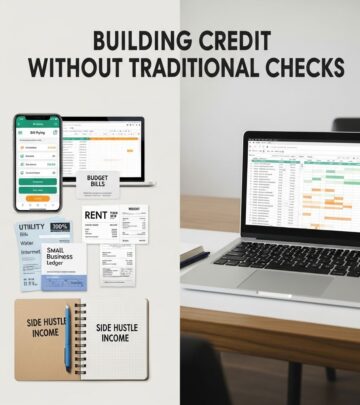
Several specialized services now offer credit-building opportunities by reporting regular bill payments to credit bureaus. Services like Experian Boost allow consumers to connect utility, streaming, and phone bill payments to their credit reports, potentially improving their scores at no cost. However, it’s important to note that these services may only affect one bureau’s reporting rather than all three major credit bureaus.
When considering alternative reporting services, verify:
- Which credit bureaus receive your payment reports
- What types of payments qualify for reporting
- Whether there are any fees associated with the service
- How long it takes for payment activity to appear on your report
Phone Service Plans and Utility Account Management
Many telecommunications and utility companies report payment history to credit bureaus, though not all do. Before relying on these payments for credit building, contact your service providers directly to confirm whether they participate in credit reporting programs. When phone companies and utilities report your on-time payments, this activity contributes to your payment history and can gradually improve your credit score.
To maximize this approach, ensure you:
- Set up accounts in your own name
- Make payments on time each month
- Verify that your provider reports to credit bureaus
- Keep detailed records of payment confirmations
Secured Credit Card Options
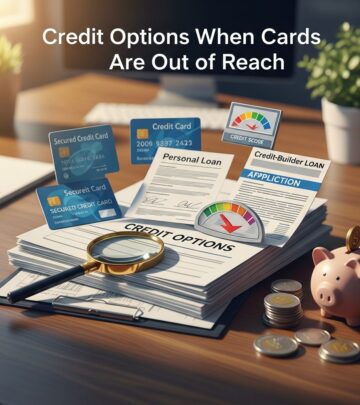
While secured credit cards technically involve credit cards, they differ significantly from traditional offerings and may suit those who’ve been rejected for conventional cards. Secured cards require an upfront cash deposit that becomes your credit limit. You then use the card like a regular credit card, making purchases and monthly payments that get reported to credit bureaus.
After establishing a solid payment history with a secured card, many issuers will review your account and convert it to a traditional unsecured credit card, returning your deposit in the process. This pathway bridges the gap between no credit and traditional credit products, making it valuable for those unable to qualify for standard cards.
Personal Loans and Installment Credit
Personal loans from banks represent another installment credit option that can help build credit without a credit card. Unlike auto loans that use the vehicle as collateral, personal loans require no specific collateral but may come with higher interest rates, particularly if you have no or damaged credit history. However, each payment on a personal loan gets reported to credit bureaus, contributing to your credit-building efforts.
Comparing Credit-Building Methods
| Method | Approval Requirements | Cost/Fees | Timeline to Results | Credit Reporting |
|---|---|---|---|---|
| Credit Builder Loan | Minimal (no credit check) | Low fees | 3-24 months | All three bureaus |
| Authorized User | None (cardholder approval) | No direct cost | 1-2 months | Typically all three |
| Student Loans | Already in place | Interest charges | Ongoing | All three bureaus |
| Utility Reporting | Account opening | Regular service fees | 1-3 months | Selected bureaus |
| Secured Card | Security deposit required | Deposit + interest | 6-12 months | All three bureaus |
Developing a Comprehensive Credit-Building Strategy
Rather than relying on a single method, combining multiple credit-building approaches can accelerate your progress. For example, you might become an authorized user on a family member’s account while simultaneously applying for a credit builder loan and ensuring your utility payments get reported to credit bureaus. This diversified approach creates multiple touchpoints with credit bureaus and demonstrates various forms of responsible credit management.
When developing your strategy, consider your current financial situation, available resources, and timeline for improvement. Some methods require upfront capital while others rely solely on responsible payment behavior. Choosing the right combination depends on your specific circumstances and goals.
Common Mistakes to Avoid
Several pitfalls can undermine credit-building efforts. First, applying for too many credit accounts simultaneously generates multiple hard inquiries, which can temporarily lower your score. Second, neglecting to verify that your chosen method actually reports to credit bureaus means you may be working toward goals without actually building credit. Third, missing even one payment can significantly damage the progress you’ve made, so setting up automatic payments or calendar reminders proves essential.
Additionally, avoid closing old accounts once you’ve successfully established credit elsewhere, as account age contributes to your credit history length. Instead, maintain these accounts in good standing to preserve the benefits they provide.
Frequently Asked Questions
How long does it take to build credit without a credit card?
Timeline varies depending on the method and your starting point. Credit builder loans typically show results in 3-24 months, while authorized user status may impact your score within 1-2 months. Expect gradual improvement rather than overnight changes.
Can I build credit with just utility and phone payments?
Some utilities and phone companies report to credit bureaus, but not all. Verify with your providers first. While these payments help, combining them with other methods typically yields faster results.
What’s the difference between a credit builder loan and a personal loan?
Credit builder loans withhold funds until completion and are designed specifically for credit building. Personal loans provide funds upfront but carry higher interest rates, especially with poor or no credit history.
Is being an authorized user risky?
Only if the primary cardholder has poor credit habits. Their negative activity directly affects your score, so choose someone with a strong payment history and low credit utilization.
Can I build credit without spending money?
Becoming an authorized user costs nothing directly, though it depends on someone else’s cooperation. Most other methods involve either deposits, fees, or interest charges.
Taking Action Toward Better Credit
Building credit without traditional credit cards is entirely feasible through multiple pathways. Whether you choose credit builder loans for their structured approach, authorized user status for quick results, or alternative payment reporting for ongoing activity, options exist for virtually every financial situation. The key lies in selecting methods aligned with your circumstances and maintaining consistent, on-time payments across all chosen avenues.
Start by evaluating which approaches fit your financial capacity and timeline. Many people find success combining two or three complementary methods, creating momentum that accelerates credit score improvement. Remember that credit building is a marathon rather than a sprint—patience, consistency, and responsible financial behavior ultimately produce the strongest results.
References
- How to Build Credit Without a Credit Card — Bankrate. 2024. https://www.bankrate.com/personal-finance/credit/how-to-build-credit-without-credit-card/
- How to Build a Credit Score Without a Credit Card — First Financial Bank Kansas City. 2024. https://www.ffbkc.com/blogs/managing-money/build-credit-score-without-credit-card/
- Can You Build Your Credit Without Credit Cards or Loans — SecurityPlus FCU. 2024. https://www.securityplusfcu.org/learn/education/prosperity-pulse/june-2024/can-you-build-your-credit-without-credit-cards-or-loans
- How to Build Credit Without a Credit Card — American Express. 2024. https://www.americanexpress.com/en-us/credit-cards/credit-intel/how-to-build-credit-without-a-credit-card/
Similar Articles








Read full bio of medha deb