Building Credit When You’re Starting Out
Understanding how limited credit history impacts your financial opportunities

When you’re beginning to establish yourself financially, one of the most pressing questions often concerns your creditworthiness. If you have limited credit history, you might wonder whether this barrier will prevent you from accessing credit or borrowing money. The truth is more nuanced than a simple yes or no. While your limited credit background does present certain challenges, understanding how credit scoring systems evaluate your profile can help you develop strategies to strengthen your financial position over time.
What Defines a Developing Credit Profile?
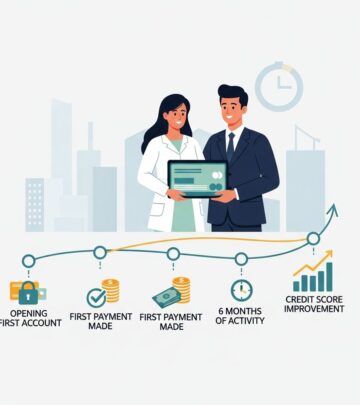
Credit history represents the timeline of your financial interactions with lenders and creditors. To receive a credit score from major scoring models, you typically need at least six months of active credit history. However, the existence of a score doesn’t guarantee it will be strong. Credit profiles younger than two years are generally classified as limited or developing, and this classification can affect how lenders evaluate your creditworthiness.
The process of calculating whether you have enough history to score is straightforward: credit bureaus look at your oldest open account, your newest account, and the average age across all your active accounts. If you’re just beginning to build credit, you might notice that even one or two accounts can significantly lower your average account age, which impacts how lenders perceive your reliability.
The Mechanics of Credit Age in Score Calculation
Length of credit history comprises 15% of your FICO score, making it a meaningful but not dominant factor in your overall creditworthiness assessment. To put this in perspective, your payment history accounts for 35% of your score, while the amounts you owe represent 30%. Despite being weighted at only 15%, your credit history still influences how lenders view you and can meaningfully impact loan approvals and interest rates.
The calculation of credit history involves three primary components:
- Account longevity: The total time your accounts have existed, including both your oldest and newest accounts
- Individual account tenure: How long specific accounts have remained active and in good standing
- Account activity recency: The length of time since you last used a particular account
When you first open a credit account, you face an immediate challenge: you haven’t yet demonstrated responsible account management. Opening a new account temporarily lowers your average credit age, creating a short-term negative impact on your score. This is why financial experts often recommend carefully considering whether opening a new account aligns with your long-term credit goals.
Why Limited Credit History Presents Challenges
From a lender’s perspective, someone with limited credit history represents an unknown quantity. If you have consistent income but minimal credit history, lenders view you as higher risk because they lack a track record to evaluate your repayment reliability. This lack of demonstrated behavior makes it difficult for creditors to assess whether you’ll meet your financial obligations.
The practical consequences of limited credit history extend beyond just receiving lower scores. They can include:
- Higher interest rates on approved loans and credit products
- Larger deposits required for utilities and rental housing
- Lower credit limits on approved credit cards
- Difficulty qualifying for certain types of financing
- More stringent approval requirements overall
Limited credit history can impede your ability to secure favorable home financing, increase costs through higher interest rates, and result in substantial utility deposits. For someone early in their financial journey, these barriers can create a frustrating catch-22 situation: you need credit history to access favorable lending terms, but you need access to credit to build that history.
Comparing Your Profile: What Different Scoring Models Require
Different credit scoring models have varying requirements for evaluating profiles with limited history. FICO scoring models typically require at least six months of credit history before generating a score, while VantageScore 3.0 can generate scores for individuals with just one month of account history. This distinction matters if you’re shopping around or reviewing scores from different providers.
The good news is that even with limited history, you can still receive credit approval if other factors in your profile appear favorable. Lenders sometimes work with borrowers who have shorter credit histories if income, employment stability, and existing account management demonstrate responsibility.
Building Strength Despite Your Age of Credit
While you cannot manufacture the passage of time, you can take deliberate actions to optimize your credit profile’s other components. Since payment history represents the largest portion of your score at 35%, maintaining perfect payment records becomes especially critical when you have limited history. Every on-time payment contributes positive information to your profile, while even a single 30-day-late payment can significantly damage a developing credit score.
Your credit utilization ratio—the percentage of available credit you’re actively using—represents the second-largest scoring factor at 30%. Keeping your credit utilization below 30% demonstrates responsible credit management, which becomes increasingly important when your history doesn’t yet speak for itself. By maintaining low balances relative to your credit limits, you show lenders you understand how to use credit responsibly.
The Strategic Importance of Account Preservation
One of the most consequential decisions you’ll make involves managing your existing accounts. Closing an old account will harm both your length of credit history and your available credit. The impact varies based on age: closing a long-standing account causes more damage than closing a newer one, but closing any account negatively affects your profile.
When you close an account, you lose that account’s age from your average calculation, which lowers the overall average age of your remaining accounts. Additionally, you lose the available credit associated with that account, which increases your credit utilization ratio across your remaining accounts—even if you haven’t increased spending. This dual negative impact makes account closure a significant decision that deserves careful consideration.
If you maintain older accounts in good standing, you can actually raise your score even with a developing overall profile. By preserving your account history and keeping old accounts open, you establish a foundation that will serve your credit profile for years to come.
Understanding the Paradox of New Credit
Opening a new account creates a temporary setback because it decreases your average account age. However, this short-term pain can lead to long-term gain if managed properly. New accounts are often necessary for building diverse credit profiles, which contributes an additional 10% to your FICO score.
Having different types of credit—such as revolving credit through credit cards and installment credit through personal loans—indicates you can manage multiple credit forms effectively. For someone building credit, strategic account opening can diversify your profile, which partially offsets the temporary age reduction.
The key is timing and intention. Opening multiple new accounts simultaneously or frequently creates
Similar Articles








Read full bio of medha deb