Building Credit from Scratch for Young Adults
Discover proven strategies to create a strong credit foundation early in life and unlock better financial opportunities ahead.

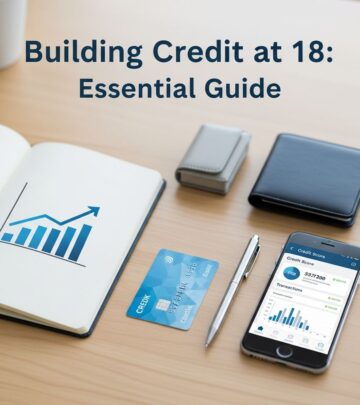
Establishing a solid credit history in your early years sets the stage for favorable loan terms, housing options, and career advantages. Young people often start with no credit file, but targeted actions like obtaining starter cards or leveraging family accounts can quickly change that.
Why Credit Matters Early in Life
A robust credit profile influences everything from apartment rentals to job applications, where employers may review scores. Without it, higher deposits or denials become common hurdles. Starting now minimizes long-term costs, as positive habits compound over time.
Financial institutions assess risk using models like FICO, which weigh payment history most heavily. Early builders who pay promptly and manage balances wisely see scores rise within months.
Core Strategies to Kickstart Your Credit Journey
Several reliable methods exist to generate credit activity reported to bureaus like Experian, Equifax, and TransUnion. Focus on options matching your situation for sustainable growth.
Secured Credit Cards: A Safe Entry Point
These cards require an upfront deposit, often matching your spending limit, reducing issuer risk and easing approval. Use for everyday buys like gas, paying off fully monthly to demonstrate reliability.
After 6-12 months of on-time payments, many issuers graduate users to unsecured cards, refunding deposits. This path suits those without income proof or student status.
- Deposit typically $200-$500, sets limit.
- Builds payment history and length of credit age.
- Avoids high fees by choosing no-annual-fee options.
Authorized User on Family Accounts
Join a trusted relative’s card with strong history. You get a card for purchases, but they handle payments. Activity may appear on your report if the issuer reports it.
Verify reporting policies first. This piggybacks on established profiles without personal liability for the primary balance.
Student Loans and On-Time Repayments
Federal or private education loans report to bureaus upon disbursement. Deferments don’t harm if payments start promptly post-graduation. Consistent repayments boost scores significantly.
Credit-Builder Loans: Savings with Benefits
Lenders hold funds in an account while you make fixed payments. Complete the term to access savings plus interest. Ideal for disciplined savers building history without debt temptation.
Daily Habits That Accelerate Credit Growth
Beyond products, behavior drives 90% of score variance per FICO. Prioritize these practices.
| Habit | Impact on Score | Tip |
|---|---|---|
| Pay on time | 35% weight | Automate payments. |
| Low utilization (<30%) | 30% weight | Pay mid-cycle if needed. |
| Limit new inquiries | 10% weight | Space applications 6+ months. |
| Diverse accounts | 10% weight | Mix revolving/installment credit. |
| Long history | 15% weight | Keep old accounts open. |
Bank of America advises keeping utilization under 20% for optimal results. Tools like Experian Boost add utility payments to reports instantly.
Timeline for Visible Progress
Credit files form with first reported activity, often at 18. Scores emerge after 3-6 months of history. Thin files score 600-700 initially; good habits push to 700+ in a year.
- Month 1: Account opens, basic file created.
- Months 3-6: Initial score, focus payments.
- Year 1: Eligible for better products.
Common Roadblocks and Fixes
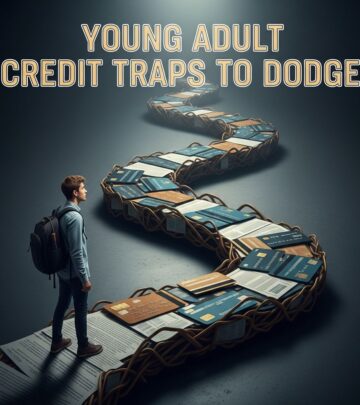
No history leads to denials—counter with secured options. Identity errors? Check free annual reports from AnnualCreditReport.com. High utilization tanks scores; pay down aggressively.
Under 21? Student cards need income or cosigner. Utilities may require deposits sans credit—pay reliably to build indirectly.
Advanced Tools and Services
Beyond basics, rent-reporting services or apps like Experian Go connect non-traditional data. Pair with free score monitors for tracking.
Frequently Asked Questions
Can teens under 18 build credit?
Direct accounts require 18, but authorized user status works earlier if reported.
How fast can I get a good score?
6-12 months with perfect payments and low usage from starter products.
Does checking my score hurt it?
Soft pulls don’t; hard inquiries do temporarily.
Should I close unused cards?
No—preserve history length.
What’s a good starter score?
670+ unlocks primes; build from there.
Long-Term Maintenance for Lifelong Success
Treat credit like fitness: consistent effort yields compounding rewards. Review reports yearly, dispute errors, and diversify gradually. By 25, a 750+ score means premium rates on cars, homes, insurance.
Young adults mastering these steps gain independence faster. Avoid maxing limits or missing payments—derailers lingering 7 years. Celebrate milestones like first unsecured upgrade.
Integrate budgeting apps to align spending. As income grows, request limit increases without hard pulls via statements.
References
- How to Establish Credit as a Young Person — Experian. 2023. https://www.experian.com/blogs/ask-experian/how-to-establish-credit-as-a-young-person/
- How to Build Credit for the First Time in Your 20s — Bank of America Better Money Habits. 2024. https://bettermoneyhabits.bankofamerica.com/en/credit/how-to-build-up-credit
- Building a Good Credit Score for Young Adults — U1CU. 2024. https://www.u1cu.org/blog/building-a-good-credit-score-for-young-adults
- How Do Young Adults Establish Good Credit? — Take Charge America. 2023. https://www.takechargeamerica.org/how-do-young-adults-establish-good-credit/
- Credit Scores 101: A Beginner’s Guide for Teens and Young Adults — Piscataqua Savings Bank. 2024. https://www.piscataqua.com/credit-scores-101-a-beginners-guide-for-teens-and-young-adults/
Similar Articles








Read full bio of Sneha Tete