Building Credit for Teens and Young Adults
Essential strategies to help young people establish strong credit habits early for lifelong financial success and opportunities.

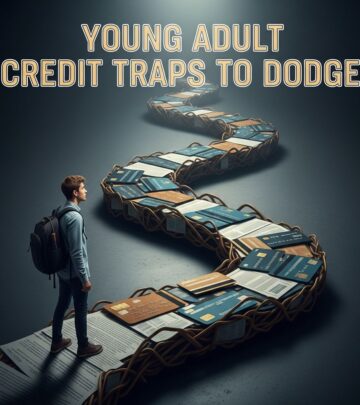
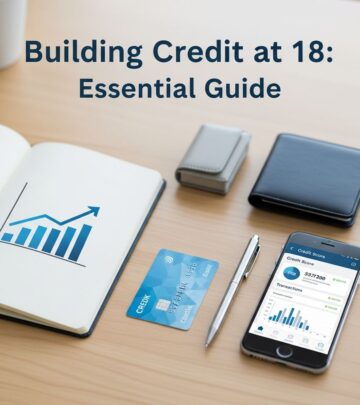
Starting to build credit during the teenage years or early adulthood sets the foundation for financial independence. A solid credit history unlocks favorable terms on apartments, car loans, and even jobs, while poor habits can lead to higher costs and rejections. Young people often delay this process due to limited access or misconceptions, but simple steps can change that trajectory.
Why Credit Matters Early in Life
Credit scores influence more than just loans; they affect insurance premiums, rental approvals, and employment screening. For those under 25, establishing credit early means lower interest rates on future borrowing and easier access to services. Data shows younger adults check scores less frequently, missing opportunities to correct issues promptly. Beginning now builds a longer history, which comprises 15% of scoring models.
Understanding Credit Scores: The Basics
Credit scores range from 300 to 850, with scores above 740 considered very good. Key ranges include:
| Score Range | Rating | Implications |
|---|---|---|
| 300-579 | Poor | High rates, limited approvals |
| 580-669 | Fair | Some approvals, higher costs |
| 670-739 | Good | Better terms available |
| 740-799 | Very Good | Preferred rates and options |
| 800-850 | Excellent | Best deals and perks |
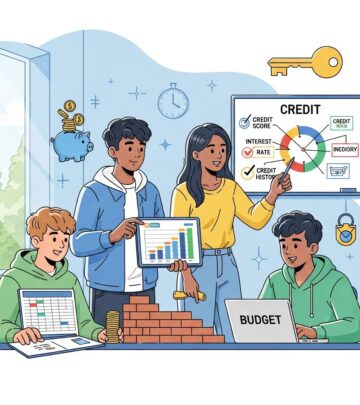
The primary factors are payment history (35%), utilization (30%), history length (15%), credit mix (10%), and new inquiries (10%). Teens start with thin files, so focusing on positive actions accelerates growth.
Step-by-Step Guide to Starting Credit
Follow these proven methods to establish credit responsibly.
- Get Added as an Authorized User: Parents can add teens to a well-managed card. This piggybacks on their history without direct responsibility, boosting scores quickly.
- Secure a Starter Card: Deposit-based cards match your deposit as the limit, ideal for beginners. Charge small amounts like gas and pay in full monthly.
- Student or Beginner Cards: Low-limit cards for college students build history with minimal risk.
- Credit-Builder Loans: Some banks offer loans where payments build savings and credit simultaneously.
Mastering Payment Habits for Score Growth
Timely payments are paramount. Set autopay for bills, including student loans, which report to bureaus and aid history building. One late payment lingers for seven years, but consistent on-time ones compound benefits. Aim to pay more than minimums to reduce balances faster.
Optimizing Credit Utilization
Keep balances under 30% of limits—ideally zero after paying off. For a $500 limit, stay below $150. Low utilization signals control, heavily weighting scores. Multiple cards dilute utilization if managed well.
Diversifying Credit Types Wisely
A mix of revolving (cards) and installment (loans) credit shows versatility, worth 10% of scores. Student loans naturally contribute; avoid unnecessary applications to prevent inquiry dings.
Regular Monitoring and Tools
Check free weekly reports at AnnualCreditReport.com and scores via apps. Young adults monitor less, but institutions can help by including alternative data like rent or utilities for thinner files. Track progress to demystify scores and project improvements with on-time payments.
Common Pitfalls to Avoid
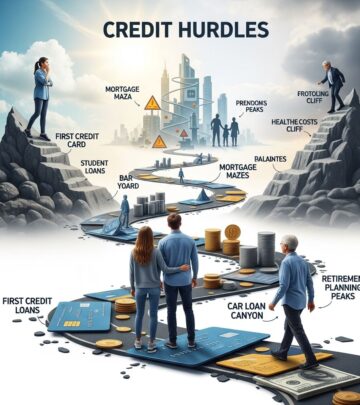
- Maxing cards or missing payments, tanking scores instantly.
- Too many applications, adding hard inquiries.
- Ignoring small bills like phone payments that may report.
- Co-signing without understanding risks.
Real-World Benefits of Strong Credit
Good scores mean cheaper auto insurance, easier apartment rentals without deposits, and prime mortgage rates later. For Gen Z delaying milestones like homebuying, credit still enables flexible options like rideshares or gig economy perks requiring checks.
Overcoming Barriers for Young Starters
Anxiety from low initial scores deters checking; counter with projections showing growth potential. Fun apps gamify monitoring, making it relevant beyond traditional milestones.
Long-Term Strategies for Sustained Success
Maintain low debt, review reports annually, and upgrade to unsecured cards as scores rise. Healthy habits now yield dividends for decades.
Frequently Asked Questions
Can teens under 18 build credit?
Directly, no, but as authorized users, yes, gaining history benefits.
How long until I see score improvements?
3-6 months with consistent habits; history lengthens over years.
Is a secured card worth it?
Absolutely for beginners—many graduate to regular cards after responsible use.
What if I have no income?
Authorized user status or student cards often suffice without proof.
Do utilities or rent build credit?
Not always, but services reporting them or alternative data inclusions help.
Action Plan Table
| Week | Action | Goal |
|---|---|---|
| 1 | Check eligibility for authorized user | Instant history boost |
| 2 | Apply for secured/student card | Open first account |
| 3+ | Small purchase, pay full monthly | Build payment history |
| Ongoing | Monitor score monthly | Track utilization & progress |
References
- Strategies To Encourage Credit Score Monitoring Among Young People — Financial Health Network. 2024. https://finhealthnetwork.org/research/strategies-to-encourage-credit-score-monitoring-among-young-people/
- Building a Strong Credit for Young Adults — U1CU. 2024. https://www.u1cu.org/blog/building-a-strong-credit-for-young-adults
- Gen Z: It’s Time to Kickstart Your Credit Journey — WestStar. 2024. https://www.weststar.org/resources/education/blog/blog-detail.html?title=gen-z-it-s-time-to-kickstart-your-credit-journey
- Demystifying Credit Scores: What Every Young Adult Should Know — Apriem. 2024. https://www.apriem.com/women-of-wisdom/financial-education/raising-a-financially-confident-next-gen/understanding-credit-financial-identity/demystifying-credit-scores-what-every-young-adult-should-know/
- How to Establish Credit as a Young Person — Experian. 2024. https://www.experian.com/blogs/ask-experian/how-to-establish-credit-as-a-young-person/
- Credit Scores 101: A Beginner’s Guide For Teens and Young Adults — Piscataqua. 2024. https://www.piscataqua.com/credit-scores-101-a-beginners-guide-for-teens-and-young-adults/
Similar Articles








Read full bio of medha deb