Builders Risk Insurance: Complete Guide For Projects
Discover how builders risk insurance safeguards construction projects from unexpected losses and ensures smooth project completion.
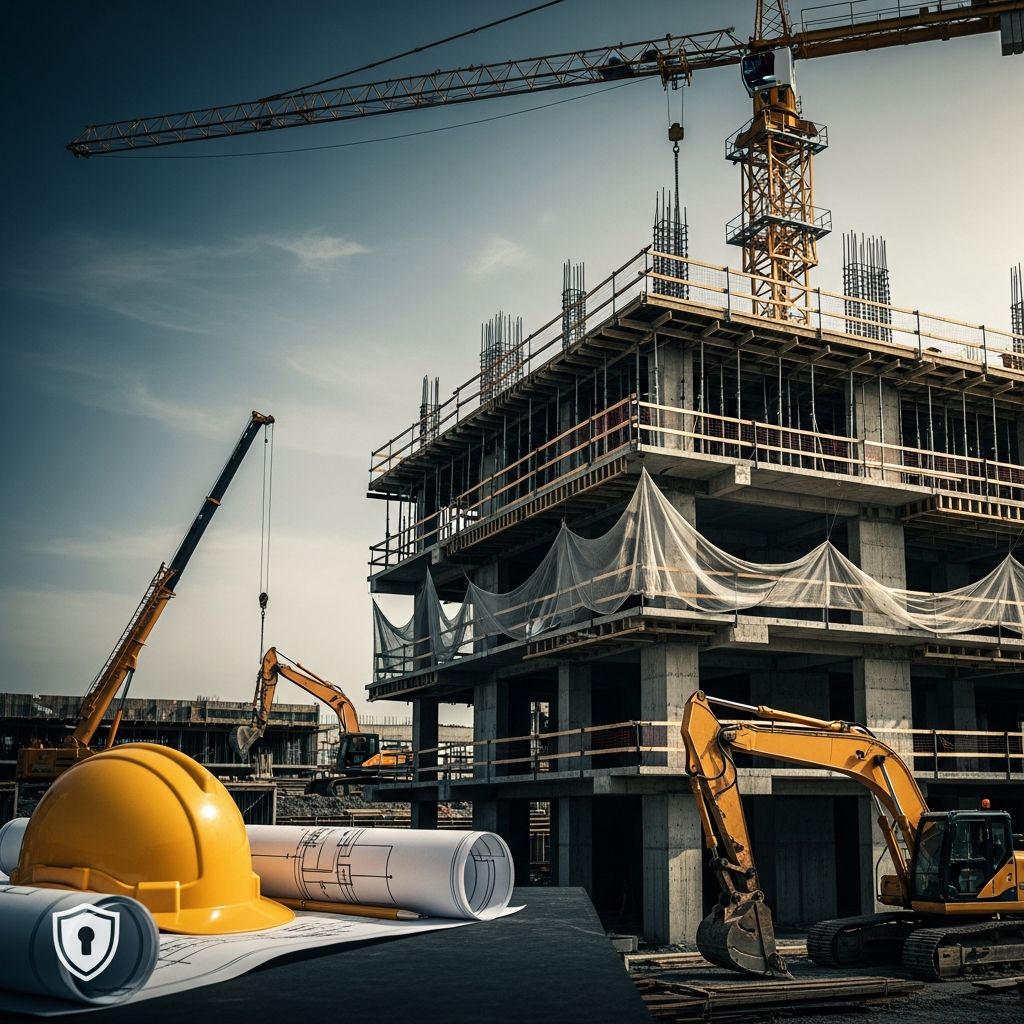
Builders risk insurance serves as a critical safeguard for properties in the midst of construction, covering potential damages to structures, materials, and associated expenses from various perils. This specialized property policy, often termed course of construction insurance, ensures that unforeseen events do not derail projects financially.
Understanding the Core Purpose of Builders Risk Coverage
This type of insurance addresses the unique vulnerabilities of building sites, where incomplete structures and scattered materials face heightened risks. Unlike standard property policies, it applies specifically during active development phases, protecting against a broad spectrum of incidents that could halt progress.
Key elements typically insured include the evolving building itself, fixtures destined for permanent installation, and supplies whether onsite, in storage, or en route. Policies are frequently structured on inland marine forms, offering all-risk protection unless explicitly excluded.
Common Perils Covered Under Builders Risk Policies
Standard coverage addresses damages from fire, lightning, hail, explosions, theft, vandalism, and certain natural events like windstorms or hurricanes. These protections help mitigate costs for repairs, replacements, and debris removal following a loss.
- Fire and Explosions: Rapidly spreading flames or blasts that compromise structural integrity.
- Weather-Related Events: Hail, high winds, or lightning strikes damaging exposed frameworks.
- Theft and Vandalism: Unauthorized removal or deliberate destruction of materials and equipment.
- Acts of God: Limited coverage for floods or earthquakes may require add-ons.
While comprehensive, policies exclude wear and tear, design flaws, or contractor errors, emphasizing external perils over workmanship issues.
Who Should Secure Builders Risk Insurance?
Anyone with a financial stake in the project benefits from this coverage. Primary parties include property owners, general contractors, subcontractors, lenders, architects, and engineers.
Construction contracts often specify responsibility, with owners or lead contractors purchasing the policy and naming others as additional insureds. Lenders frequently mandate it for loan approvals, underscoring its role in risk mitigation.
| Stakeholder | Typical Role in Policy |
|---|---|
| Property Owner | Primary insured or policy purchaser |
| General Contractor | Named insured, manages site risks |
| Subcontractors | Additional insureds for their work portions |
| Lender/Bank | Loss payee to protect financing |
| Architect/Engineer | Included for design-related interests |
Types of Property Protected by These Policies
Coverage extends beyond the main structure to encompass a wide array of project components. This includes foundations, scaffolding, temporary structures, landscaping elements, and even paving.
Materials and equipment receive protection regardless of location: onsite, offsite storage, or transit. Some policies cover blueprints, specifications, and digital data essential to the build.
Soft Costs and Extended Protections
Beyond physical repairs, policies often reimburse soft costs arising from delays, such as lost rental income, increased loan interest, real estate taxes, and marketing expenses. These indirect losses can exceed direct damages, making comprehensive endorsements valuable.
Optional extensions might include pollution cleanup, expediting expenses for faster recovery, or coverage for testing and startup operations post-completion.
Policy Structures and Customization Options
No universal form exists; insurers tailor coverage via completed value, reporting, or installation floater methods.
- Completed Value: Ideal for single projects, limits match total estimated cost.
- Reporting Form: Suited for multiple sites, premiums adjust based on monthly reports.
- Installation Floater: Targets trade contractors installing specific components.
- Blanket Policies: Cover numerous projects under one limit for high-volume builders.
Project duration influences policy terms, typically ranging from months to years, with options for automatic extensions.
Exclusions and Coverage Gaps to Watch For
Common exclusions encompass earthquakes, floods, employee theft, vehicle damage, manufacturing defects, and normal deterioration. Liability for injuries or third-party property falls outside scope, necessitating separate general liability insurance.
Post-completion, transition to commercial property or business owners policies, plus inland marine for ongoing transit needs.
Factors Influencing Premium Costs
Rates depend on project value, location risks (e.g., hurricane zones), construction type, duration, deductibles, and contractor experience. Expect 2-4% of completed value annually, with higher-risk areas commanding premiums.
To optimize costs, implement safety protocols like fire watches, secure perimeters, and regular inspections, potentially qualifying for discounts.
Steps to Obtain and Manage a Policy
1. Assess project scope and value accurately.
2. Review contract requirements for insured parties.
3. Solicit quotes from specialized insurers.
4. Customize with needed endorsements.
5. Secure before materials arrive onsite.
6. Monitor progress and report changes.
Engage an insurance broker familiar with construction for tailored advice.
Frequently Asked Questions
What happens when construction finishes?
The policy terminates; convert to standard property insurance for the completed building.
Does it cover renovations or only new builds?
Yes, applicable to remodels, additions, and installations where value exceeds a threshold, often 25% of existing structure.
Can subcontractors buy their own policies?
Possible but inefficient; better as additional insureds under the primary policy to avoid gaps.
How does it differ from general liability?
Builders risk focuses on first-party property damage; liability covers third-party bodily injury or damage.
Is flood or earthquake coverage standard?
No, typically excluded; add via separate policies or endorsements.
Best Practices for Risk Management
Combine insurance with proactive measures: daily logs, security fencing, weather monitoring, and subcontractor vetting. Regular policy audits ensure alignment with project evolution.
For large or complex builds, consider wrap-up policies enveloping all parties under one program, streamlining claims.
References
- Builders Risk Policy (BR) – IRMI — International Risk Management Institute. Accessed 2026. https://www.irmi.com/term/insurance-definitions/builders-risk-policy
- What Is Builder’s Risk Insurance? | The Hartford — The Hartford. Accessed 2026. https://www.thehartford.com/insights/construction/builders-risk-insurance
- Builders Risk Definition | HUB International — HUB International. Accessed 2026. https://www.hubinternational.com/insurance-glossary/b/builders-risk/
- Builders Risk Insurance: Get a Quote from Builders — Builders Risk Specialty. Accessed 2026. https://www.bldrs.com/products/builders-risk-insurance/
- Builder’s Risk Insurance: How It Works, Cost and Best Providers — NerdWallet. Accessed 2026. https://www.nerdwallet.com/business/insurance/learn/builders-risk
- What is Builders Risk Insurance | US Assure — US Assure. Accessed 2026. https://usassure.com/resources/articles/what-does-builders-risk-insurance-cover
- A Contractor’s Guide to Builder’s Risk Insurance – Procore — Procore. 2024-08-14. https://www.procore.com/library/builders-risk-insurance
Similar Articles








Read full bio of medha deb