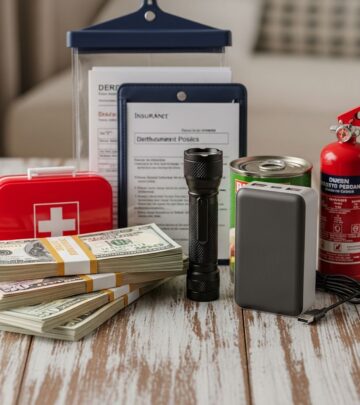
Build Your Safety Net: Emergency Fund Essentials
Discover why an emergency fund is your financial lifeline and learn practical steps to create one that shields you from life's surprises.

An emergency fund serves as a dedicated pool of cash designed to tackle unforeseen financial shocks, ensuring you maintain stability without turning to debt. This reserve empowers individuals to address crises like sudden unemployment or urgent repairs promptly and confidently.
Defining the Core Purpose of Your Financial Buffer
At its heart, an emergency fund represents money earmarked exclusively for crises that disrupt normal cash flow, distinguishing it from general savings for goals like travel or education. Common triggers include medical emergencies, vehicle breakdowns, or home maintenance issues that demand immediate attention and funds.
Unlike investments tied to market volatility, this fund prioritizes liquidity and accessibility, typically housed in high-yield savings accounts or money market options for quick withdrawal without penalties. By isolating these resources, you create a psychological and practical shield, reducing the impulse to overspend during routine months.
Key Advantages That Transform Financial Resilience
Possessing this safety net dramatically lowers stress levels associated with unpredictability, allowing focus on solutions rather than scrambling for resources. It fosters better decision-making, such as negotiating better job terms or pursuing career shifts without desperation.
- Debt Prevention: Avoid high-interest credit card cycles or payday loans that compound problems during recovery.
- Investment Protection: No need to liquidate stocks or retirement assets at inopportune market lows, preserving long-term growth.
- Family Support: Cover travel for loved ones’ crises or temporary income gaps without borrowing from relatives.
- Mental Clarity: Gain confidence to handle health setbacks or relocations smoothly.
These benefits extend beyond immediate relief, promoting disciplined habits that bolster overall wealth accumulation over time.
Assessing the Right Size for Your Unique Situation
Financial advisors universally recommend starting with coverage for 3-6 months of essential expenses, defined as housing, food, utilities, transportation, and minimum debt payments. Calculate this by totaling monthly necessities and multiplying accordingly—for a $4,000 baseline, aim for $12,000-$24,000.
| Household Profile | Recommended Coverage | Rationale |
|---|---|---|
| Single, stable job | 3-6 months | Standard buffer for common risks |
| Dual-income family | 3-6 months | Shared stability reduces vulnerability |
| Single parent or freelancer | 6-12 months | Higher income volatility demands more |
| Retiree or high-earner | 12+ months | Protects against market dips or health costs |
Adjust based on factors like job security, health history, or dependent count; those in volatile sectors may target a full year.
Real-Life Scenarios Where Funds Prove Indispensable
Consider a sudden layoff: with reserves covering bills, you job hunt strategically rather than accepting subpar offers. Medical surprises, from ER visits to ongoing treatments, often exceed insurance, hitting $2,000+ out-of-pocket easily.
Vehicle or home failures amplify costs—a transmission repair might run $3,500, while a roof leak demands $5,000+ swiftly. Family emergencies, like interstate travel for a parent’s illness, add unplanned flights and lodging, totaling thousands without notice.
During economic slumps, such as pandemics, these buffers prevented mass debt spikes, underscoring their role in broader resilience.
Strategic Steps to Establish and Grow Your Reserve
- Compute Essentials: Track 3 months’ spending to pinpoint true needs, excluding luxuries.
- Open Dedicated Account: Select FDIC-insured options with competitive yields, automating transfers post-payday.
- Prioritize Contributions: Allocate 10-20% of income initially, windfalls like bonuses fully toward it.
- Trim Excess: Audit subscriptions, dining out; redirect savings directly.
- Replenish Promptly: Post-use, treat rebuilding as non-negotiable, matching original deposit speed.
Progress gradually: hit one month’s worth first for momentum, scaling up systematically.
Overcoming Inflation and Maximizing Fund Performance
While cash loses value to inflation—around 2-3% annually—opt for low-risk vehicles like short-term Treasuries or high-yield savings exceeding inflation rates. Avoid stocks here; preservation trumps growth to ensure availability precisely when needed.
Annual reviews adjust targets for life changes, like adding dependents or salary hikes, keeping the fund relevant.
Frequently Asked Questions
What counts as an ’emergency’ for this fund?
True emergencies involve necessity and urgency: income loss, health crises, essential repairs—not vacations or gadgets.
Where should I park the money?
High-yield savings or money markets for liquidity and safety; ensure FDIC coverage up to $250,000.
Can I invest part of it?
Keep core amount liquid; excess beyond 6 months might go to conservative bonds, but prioritize access.
What if building feels impossible?
Start micro: $1,000 mini-goal, then expand; side gigs or expense freezes accelerate progress.
How often to review the amount?
Quarterly or post-major events like job changes to reflect current realities.
Long-Term Impact on Wealth and Well-Being
Beyond crisis aversion, this habit instills discipline, curbing impulse buys and aligning spending with priorities. Over decades, it compounds into greater net worth by sidestepping interest traps that erode wealth.
Integrate with broader planning: pair with insurance reviews and debt reduction for holistic security. Ultimately, this simple practice unlocks freedom, turning potential disasters into manageable hurdles.
References
- Understanding the Importance of an Emergency Fund — Merchants Bank. 2023. https://www.merchantsbank.com/blog-articles/understanding-the-importance-of-an-emergency-fund
- Understanding the Importance of an Emergency Fund — Amerant Bank. 2023. https://www.amerantbank.com/ofinterest/understanding-the-importance-of-an-emergency-fund/
- Why you should have an Emergency Fund — New York Life. 2024-01-15. https://www.newyorklife.com/articles/importance-of-emergency-fund
- Pros and Cons of Having an Emergency Fund — North Shore Bank. 2023. https://www.northshorebank.com/about-us/connecting-with-you/budgeting/pros-and-cons-of-having-an-emergency-fund
- Emergency fund: Why you need one — Vanguard. 2024. https://investor.vanguard.com/investor-resources-education/emergency-fund/why-you-need-one
- The Importance of Having an Emergency Fund — Nebraska Bank. 2023. https://www.ne.bank/the-importance-of-having-an-emergency-fund
Similar Articles








Read full bio of medha deb