Build vs Buy a House: Cost Comparison Guide
Compare building vs buying a home: Discover the 10 states where construction is cheaper.
Building a Home vs. Buying: Which Option Is Cheaper?
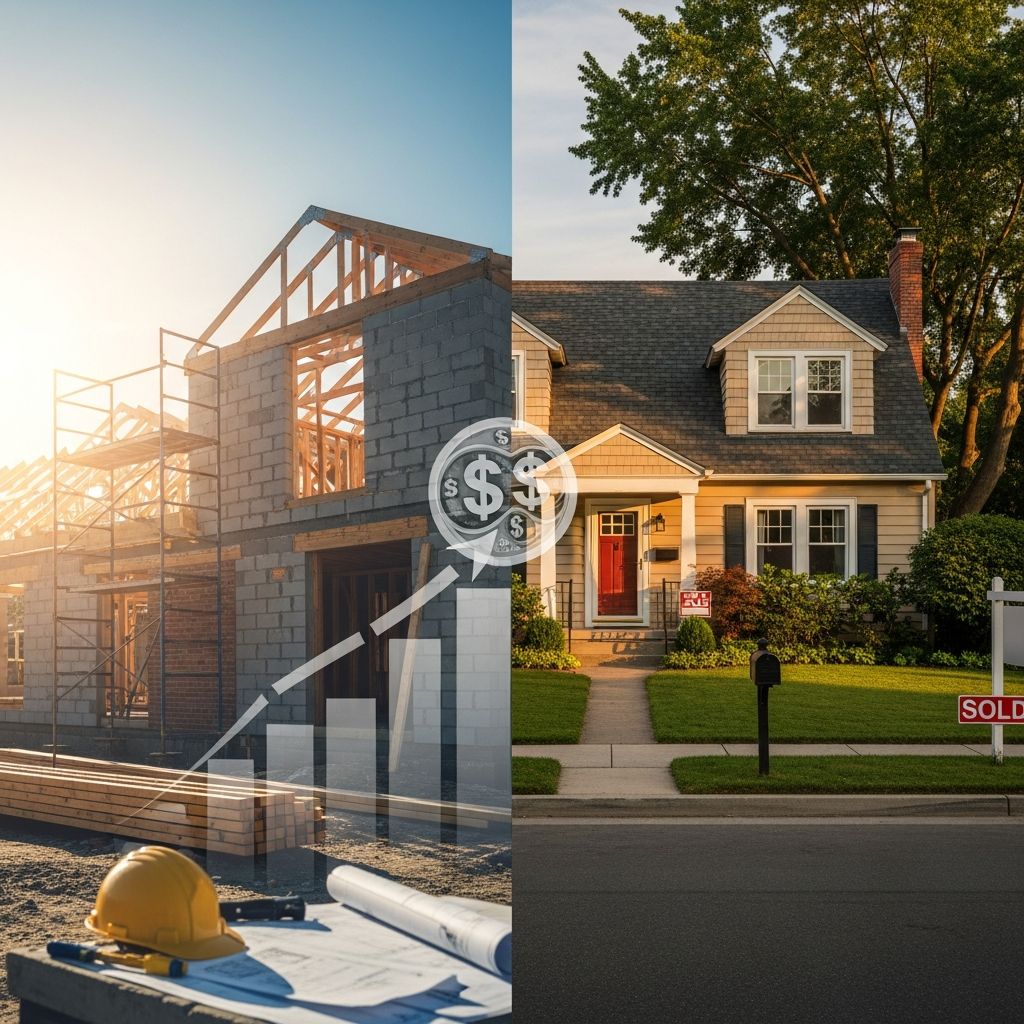
The decision between building a new home and purchasing an existing one involves careful financial consideration. While traditionally buying an existing home has been the more affordable option, recent market shifts have changed this landscape significantly. Today, building a new home is actually cheaper than buying an existing one in more than a third of U.S. states, marking a substantial shift in the real estate market dynamics.
Due to the steep rise in home prices over the past few years and the limited inventory of existing homes for sale, building may be the more attractive option for a growing number of Americans. The savings vary significantly depending on your location and market conditions, with some states offering substantial advantages for new construction while others favor purchasing existing properties.
Understanding Current Market Costs
The median sale price of a new-construction home in December 2024 was $427,000, according to the National Association of Home Builders. This compares to a median price of $404,000 for existing homes. While this represents a relatively modest premium for new construction, the gap varies considerably across different regions and states.
The cost breakdown for building versus buying reveals important distinctions. When building a home from scratch, the average cost stands at approximately $313,069. However, this figure can fluctuate dramatically based on several factors including labor availability, material costs, location, and the specific finishes and customizations you choose.
10 States Where Building Is Cheaper Than Buying
Building a home offers significant cost advantages in several states, particularly in regions with high existing home prices. Here are the top 10 states where new construction provides the greatest savings compared to purchasing an existing home:
- Hawaii — Building costs $494,000 less than buying an existing home, offering the most dramatic savings
- California — Potential savings of $205,000 on new construction
- Colorado — Building saves approximately $108,000
- Utah — Savings of around $97,000 for new construction
- Virginia — Building offers $96,000 in savings
- Delaware — New construction saves approximately $96,000
- Maryland — Building provides $95,000 in cost advantages
- Montana — Potential savings of $84,000
- Florida — Building costs $76,000 less than buying
- Idaho — New construction offers $70,000 in savings
These states predominantly located in the West and South Atlantic regions present compelling opportunities for prospective homeowners considering new construction as a viable alternative to purchasing existing homes.
10 States Where Buying Is Cheaper Than Building
Conversely, there are regions where purchasing an existing home remains significantly more affordable than building from scratch. The Midwest particularly stands out as a region where buying is the more economical choice. Here are the 10 worst states for building, where existing homes cost substantially less than new construction:
- Pennsylvania — Building costs $183,000 more than buying
- Ohio — Additional $178,000 expense for new construction
- Illinois — Building costs $166,000 more
- Maine — New construction runs $164,000 higher
- Iowa — Building adds $161,000 to costs
- Missouri — New construction costs $155,000 more
- Michigan — Building runs $153,000 higher than buying
- South Dakota — New construction adds $144,000
- Indiana — Building costs $142,000 more than buying
- West Virginia — New construction runs $133,000 higher
In these states, the existing housing stock is relatively abundant and affordable, making the purchase of a ready-made home a more economical choice than undertaking new construction.
Key Factors Influencing Building Costs
Several important considerations impact whether building or buying makes financial sense for your situation:
Location and Regional Market Conditions
Your geographic location fundamentally shapes the cost differential between building and buying. Areas with high existing home prices tend to make new construction more competitive. Construction costs vary significantly by region due to differences in labor availability, material supply chains, and local regulations.
Construction Costs and Material Prices
The expenses associated with building a home break down into two primary categories: labor costs comprise approximately 40 percent of the overall project, while materials account for 60 percent. Labor and material costs have increased substantially with inflation, making construction more expensive in recent years. Building costs typically range from $150 per square foot for basic construction to $500 per square foot or more for high-end finishes and premium materials.
Land Acquisition and Preparation
The cost of purchasing land varies dramatically depending on location and can range from $3,000 to $150,000 or more. Land preparation, including grading and utility access, typically costs between $1,500 and $5,600. For those who already own a lot, building costs decrease substantially. Research indicates that land purchase comprises approximately 18.5 percent of total new construction costs, meaning that homeowners who already own property can reduce their building expenses by roughly $83,000 based on current averages.
Permits, Inspections, and Professional Services
Building permits range from $150 to $2,000 depending on home size and local regulations. Additional expenses include architectural plans, surveys, inspections, and other administrative costs. These cumulative expenses can add several thousand dollars to your total building project.
Cost Breakdown for Building a Home
Understanding the specific costs associated with building helps you budget appropriately and identify where you might reduce expenses:
| Construction Component | Price Range |
|---|---|
| Buying land | $3,000–$150,000 |
| Prepping land | $1,500–$5,600 |
| Framing | $20,000–$50,000 |
| Plumbing | $7,500–$15,000 |
| Building permit | $150–$2,000 |
These individual components represent just portions of the overall building expense. Complete projects also include electrical work, HVAC systems, roofing, interior finishes, and numerous other elements that collectively determine your final construction cost.
The New Construction Premium When Buying
When purchasing a newly constructed home rather than building from the ground up, buyers typically pay a premium compared to existing homes. Historically, newly built homes have cost about 10 to 15 percent more than homes built several years or decades before. This premium reflects the appeal of new construction, including modern technologies, contemporary finishes, advanced construction techniques, and the absence of wear and tear.
Some estimate that buyers pay approximately a 28 percent premium when purchasing new construction compared to similar existing homes. So a $400,000 existing home might cost $512,000 as a new construction purchase. This premium covers what some call the “new home smell” and the prestige of owning a recently built property with the latest features and warranties.
Advantages of Building Your Own Home
Building from scratch offers distinct advantages that appeal to many homeowners:
- Complete customization of floor plans, finishes, and features to match your specific preferences
- Access to modern technologies and construction techniques
- Energy-efficient systems that reduce utility costs long-term
- New construction warranties covering structural and system components
- No need for immediate renovations or repairs
- Ability to incorporate sustainable building practices
- Opportunity to design a home specifically suited to your lifestyle and needs
Advantages of Buying an Existing Home
Purchasing an established home also presents compelling benefits:
- Typically lower overall purchase price compared to new construction in many regions
- Established neighborhoods with mature landscaping and community infrastructure
- Immediate occupancy without waiting for construction completion
- No need for temporary housing during building phase
- Larger property sizes and more spacious lots in some areas
- Traditional mortgages available rather than requiring construction financing
- More extensive housing inventory providing greater location flexibility
Financing Considerations
Building a home from scratch requires different financing approaches than purchasing an existing home. While buying an existing home uses traditional mortgages, building typically requires a construction loan, which operates under different terms and conditions. Construction loans often feature variable interest rates, interest-only payments during the building phase, and conversions to traditional mortgages upon completion. Understanding these financing differences is crucial for accurate budgeting.
Important Factors to Consider
Before deciding whether to build or buy, evaluate these important considerations:
- Construction costs in your desired building location, including labor and material availability
- Current home price trends affecting the specific area where you want to live
- The size and specifications of the home you envision
- Your skills, time availability, and willingness to do some work yourself
- Readiness to live in temporary accommodation while construction is completed
- Availability of buildable lots in your preferred neighborhoods
- Your timeline and flexibility regarding move-in dates
- Local zoning regulations and development restrictions
Regional Trends and Market Insights
Building from scratch generally makes the most sense in areas where existing home prices are high. The states where building provides the best value tend to be concentrated in the West and South Atlantic regions. These areas have experienced significant appreciation in existing home values, making new construction a relatively more affordable alternative.
Conversely, the Midwest presents a different picture where established housing inventory remains abundant and relatively affordable. In these regions, purchasing an existing home typically offers better value than undertaking new construction projects.
It’s normally cheaper to buy an existing house primarily because construction is expensive, especially since labor and material costs have increased substantially with inflation. However, this general rule has notable exceptions in states where housing demand has driven existing home prices to exceptional levels.
Location Flexibility and Development Patterns
An important consideration is that not every neighborhood has lots for sale where you can build. If you want to build your next home, you may need to be flexible about living in a less developed area or emerging community. Building typically occurs in developing regions where land remains available and affordable, which may place you farther from established urban centers and existing infrastructure.
The Bottom Line
A buyer’s personal preference for new versus old construction is central to the decision to build or buy. Your choice should consider not only financial factors but also your lifestyle preferences, timeline, customization desires, and comfort level with the building process.
If you’re in the market for a home in an area where building is significantly cheaper than buying, you might have a more affordable opportunity to purchase a lot and design your next house instead of shopping existing real estate. However, in regions where buying is more economical, the availability of move-in-ready homes with established neighborhoods provides compelling advantages.
Frequently Asked Questions
Q: On average, is it cheaper to build or buy a house?
A: Nationally, it’s typically cheaper to buy an existing home than to build from scratch. However, this varies significantly by region. In over a third of U.S. states, particularly in the West and South Atlantic, building is now actually cheaper than buying existing homes.
Q: What’s the average cost to build a house?
A: The average cost to build a house from scratch is approximately $313,069, though this varies substantially based on location, finishes, and customization. Building costs typically range from $150 to $500+ per square foot depending on quality and complexity.
Q: Do I need a different type of loan to build versus buy?
A: Yes. Building requires a construction loan, which works differently than a traditional mortgage used for purchasing existing homes. Construction loans typically have variable rates and interest-only payments during building, converting to permanent mortgages upon completion.
Q: What costs are included when building a home?
A: Building costs include land purchase, land preparation, framing, plumbing, electrical, HVAC, roofing, interior finishes, permits, inspections, surveys, architectural plans, and labor. These components collectively determine your total construction expense.
Q: Why do new construction homes sold by builders cost more than building from scratch?
A: Newly constructed homes sold by builders include builder profit margins, premium finishes, warranties, and what some call the “new home” premium. Buyers typically pay 10-15% more for completed new construction compared to similar existing homes.
Q: Which states are best for building a new home?
A: Hawaii, California, Colorado, Utah, Virginia, Delaware, Maryland, Montana, Florida, and Idaho offer the greatest savings for new construction compared to buying existing homes, with Hawaii showing the most dramatic difference at nearly $500,000 in savings.
References
- Building a Home Is Cheaper Than Buying in These 10 States — Money. 2025. https://money.com/build-vs-buy-house-costs/
- Buy Or Build A House: What’s Cheaper? 2025 Cost Comparison — The Mortgage Reports. 2025. https://themortgagereports.com/87974/buy-or-build-a-house-which-is-cheaper
- Should I Buy Or Build A House? Pros And Cons — Bankrate. 2024. https://www.bankrate.com/real-estate/build-or-buy-a-house/
- Want to Buy a Home? You Might Have to Build It Yourself — Money. 2024. https://money.com/buy-new-construction-home/
- Buy, Build or Fix: Pros and Cons for Home Buyers — NerdWallet. 2024. https://www.nerdwallet.com/mortgages/learn/fix-build-or-buy-a-house
- National Association of Home Builders Housing Statistics — NAHB. 2024-2025. https://www.nahb.org/
- U.S. Census Bureau Housing Data — U.S. Census Bureau. 2024. https://www.census.gov/
Similar Articles








Read full bio of medha deb