How to Build Credit Without a Credit Card
Discover seven proven strategies to establish and improve credit without relying on traditional credit cards.

Building credit is an essential aspect of your financial health, yet many people believe a credit card is the only way to establish or improve their credit score. This misconception can prevent individuals from taking action to strengthen their financial profile. The reality is that you have multiple pathways to build credit without ever opening a traditional credit card account. Whether you’re just starting your credit journey or working to rebuild your credit history, understanding these alternatives can help you make informed financial decisions.
The challenge many face is what’s often called the “credit paradox.” You need credit to qualify for credit, yet you need credit history to build credit. However, financial institutions and alternative lenders have created several solutions to help you break this cycle. By exploring these options, you can establish a strong credit foundation while maintaining financial responsibility.
Understanding Credit Scores Without a Credit Card
A common misconception is that you must have a credit card to have a credit score. This is simply not true. Your credit score is generated from information contained in your credit report, which draws from various sources beyond just credit cards. These sources include installment loans such as student loans, auto loans, and personal loans, as well as payment history data from various creditors.
When you make on-time payments on these accounts, lenders report this positive behavior to the credit bureaus. Over time, this demonstrates to potential creditors that you’re a responsible borrower, which can help you qualify for better rates and terms on future credit products. Understanding this foundation is crucial before exploring specific strategies to build your credit.
Seven Ways to Build Credit Without a Credit Card
1. Become an Authorized User
One of the quickest ways to start building credit is by becoming an authorized user on someone else’s credit card account, typically held by a family member or trusted friend. When you’re added as an authorized user, you receive your own card and can make purchases using the account. The key advantage is that you don’t need to undergo a credit check or be approved individually.
As an authorized user, the primary account holder remains responsible for all payments. However, the positive payment history gets reported to credit bureaus under your name as well. This means you benefit from the account’s good payment history without the burden of managing payments yourself. For younger individuals or those new to credit, this can be an excellent stepping stone to establishing creditworthiness. Parents and guardians often use this method to give their children an early start in building credit.
2. Get a Credit Builder Loan
Credit builder loans are specifically designed for individuals who lack credit history or have experienced credit challenges. Unlike traditional loans, credit builder loans work in reverse. Rather than receiving money upfront, you begin paying immediately.
Here’s how the process works: The lender deposits a small amount—typically between $300 and $1,000—into a secure account in your name. You then make fixed monthly payments over a set term, usually ranging from six to 24 months. Each on-time payment is reported to the credit bureaus, building your credit history. Once you’ve completed all payments, you receive the funds from the secure account minus any applicable fees. This approach offers a dual benefit: you build credit while simultaneously saving money for future use.
Credit builder loans are available through banks and credit unions, and they often come with lower interest rates than other loan products. This makes them an economical way to establish creditworthiness while developing positive financial habits.
3. Consider an Auto Loan
If you’re in the market for a vehicle, an auto loan can serve as an excellent credit-building tool. Auto loans are installment loans, meaning you borrow a lump sum and repay it in equal monthly installments over a set period, typically 3 to 7 years. These payments are reported to credit bureaus, and consistent on-time payments demonstrate your reliability as a borrower.
Auto loans are often easier to obtain than credit cards, particularly if you’re financing a vehicle that serves as collateral. The presence of collateral gives lenders confidence in approving your application. By making timely payments on your auto loan, you create a positive payment history that reflects well on your credit profile and can lead to better terms on future credit products.
4. Repay Student Loans on Time
If you have student loans, whether federal or private, making on-time payments is one of the most effective ways to build credit. Student loans are reported to credit bureaus, and your payment history significantly impacts your credit score. The longer your account remains in good standing with on-time payments, the more positively it affects your credit profile.
Even if you’re on an income-based repayment plan or have deferred your loans, making your required payments on schedule is crucial. These payments become part of your credit history and demonstrate financial responsibility to potential creditors. For many young adults, student loans serve as their primary credit-building tool before obtaining credit cards or other forms of credit.
5. Get Credit for Bills You Already Pay
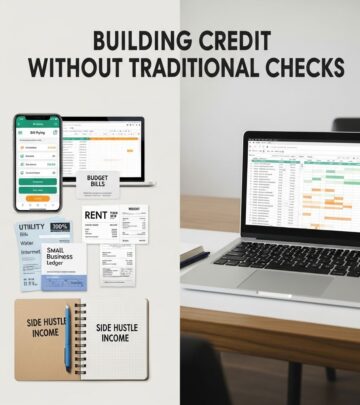
Many people pay regular bills like utilities, insurance, and rent, but these payments traditionally haven’t been reported to credit bureaus. However, services now exist that can report these everyday payments as credit activities. Experian Boost, for example, allows you to link your bank account and receive credit for bills like utilities, mobile phone, video streaming services, and rent payments. After three months of tracked payments, these accounts appear on your credit report and can boost your credit score.
This approach is particularly valuable because you’re simply reporting payment behavior you’re already demonstrating. There’s no need to change your spending habits or take on additional debt. You’re simply ensuring that your responsible payment history is reflected in your credit profile. This method works especially well for people building credit from scratch or those with limited credit history.
6. Use a Secured Loan
A secured loan requires collateral, such as a savings account or certificate of deposit. You borrow against the value of your collateral, and the lender holds it as security. Unlike credit cards, secured loans require you to make regular payments over a fixed term, with payments reported to credit bureaus.
Secured loans are accessible even if you have limited credit history or poor credit. Because the lender has collateral to back the loan, they’re willing to approve applicants they might otherwise turn down. By making consistent, on-time payments on a secured loan, you build a positive credit history that eventually allows you to qualify for unsecured credit products with more favorable terms.
7. Become a Co-Signer or Get a Co-Signer
Another pathway involves either becoming a co-signer on someone else’s loan or having someone with established credit co-sign for you. When you co-sign a loan, the account appears on your credit report, and the payment history affects your credit score. If you’re building credit, having someone with good credit co-sign for you increases your chances of approval for credit products you might not otherwise qualify for.
If you choose to be a co-signer for someone else, ensure they’re financially reliable, as any missed payments will negatively impact your credit score. This strategy works best when there’s a strong trust relationship and clear understanding of responsibilities between both parties.
Comparing Credit-Building Methods
| Method | Time to See Results | Cost | Difficulty Level | Credit Impact |
|---|---|---|---|---|
| Authorized User | 1-3 months | None | Easy | Moderate to High |
| Credit Builder Loan | 3-6 months | Low | Moderate | High |
| Auto Loan | 3-6 months | Varies | Moderate | High |
| Student Loan Payments | Ongoing | None | Easy | High |
| Bill Payment Reporting | 3 months | None | Easy | Moderate |
| Secured Loan | 3-6 months | Low to Moderate | Moderate | High |
Key Principles for Successful Credit Building
Regardless of which method or combination of methods you choose, several fundamental principles remain constant for successful credit building. First and foremost, making every payment on time is critical. Your payment history comprises 35% of your credit score, making it the most influential factor. A single missed or late payment can significantly damage your credit profile, so setting up automatic payments or calendar reminders helps ensure you never miss a due date.
Second, keeping your debt levels manageable is essential. Even with installment loans and other credit products, maintaining low credit utilization ratios demonstrates financial responsibility. If you use credit-building services that provide spending limits based on your bank balance, stick to these limits and avoid maxing out your available credit.
Third, monitor your credit regularly to track your progress and identify any errors or fraudulent activity. Many companies offer free credit monitoring services, and you’re entitled to one free credit report annually from each of the three major bureaus. By reviewing your reports, you can ensure accuracy and address any issues promptly.
Starting Early: Age and Credit Building
You can typically begin building credit officially at age 18, when you can legally apply for your own credit accounts. However, younger teenagers can get an early start by becoming authorized users on a parent’s or guardian’s credit card. This early exposure to credit history can provide a significant advantage when they reach adulthood and apply for their own accounts, student loans, or other credit products.
Starting early with credit building creates a longer track record, which is another factor credit bureaus consider. The longer you maintain positive credit behavior, the stronger your credit profile becomes, ultimately resulting in better rates and terms on future credit products.
The Timeline: How Long Does Credit Building Take?
The timeline for building credit varies depending on your starting point and the methods you choose. If you’re starting from scratch with no credit history, you might see meaningful improvements within 3 to 6 months of consistent on-time payments. However, building a strong credit profile typically takes longer—often 1 to 2 years of responsible behavior.
If you’re rebuilding credit after negative marks, the process may take longer. Negative items like late payments or charge-offs remain on your report for 7 years, though their impact diminishes over time. By implementing positive credit-building strategies, you can gradually offset the negative marks and demonstrate improved financial behavior to lenders.
Frequently Asked Questions
Can I build credit without any form of borrowing?
While borrowing is the most effective way to build credit, you can start by ensuring your bill payments are reported to credit bureaus through services like Experian Boost. However, some form of credit product—whether it’s an authorized user account or a credit builder loan—typically provides faster and more substantial credit-building results.
What’s the difference between a credit builder loan and a traditional loan?
With a traditional loan, you receive the money upfront and then repay it over time. With a credit builder loan, you don’t receive the funds until after you’ve completed all payments. The credit builder loan’s primary purpose is to help establish credit, while traditional loans provide access to funds.
Does becoming an authorized user guarantee credit improvement?
Becoming an authorized user can boost your credit if the primary account holder maintains good payment habits. However, if the primary cardholder misses payments or carries high balances, it could negatively impact your credit. Choose someone financially responsible to ensure positive results.
How often should I check my credit score?
While constant checking doesn’t hurt your score, monitoring it quarterly or bi-annually is sufficient to track progress. You can access free credit reports annually from each bureau at annualcreditreport.com.
Will paying off debt early help build credit faster?
Paying off debt early demonstrates financial responsibility but doesn’t necessarily build credit faster. Credit bureaus value a longer payment history, so maintaining accounts in good standing over time typically helps more than rapid payoff.
Conclusion: Your Path to Credit Success
Building credit without a credit card is entirely feasible and offers multiple pathways suited to different financial situations and preferences. Whether you choose to become an authorized user, obtain a credit builder loan, leverage existing installment loans, or use alternative methods, the key to success lies in consistency and responsible financial behavior. Every on-time payment brings you closer to a stronger credit profile that opens doors to better interest rates, improved loan terms, and greater financial flexibility.
Remember that building credit is a marathon, not a sprint. It requires patience, discipline, and commitment to sound financial practices. By implementing these strategies and maintaining positive habits, you’ll develop a robust credit history that serves you well throughout your financial life. Start today, stay consistent, and watch your creditworthiness grow over time.
References
- Build Credit without credit cards — Scenic Community Credit Union. https://www.mysccu.com/learn/build-credit-without-credit-cards
- How to Build Credit Without a Credit Card — Experian. https://www.experian.com/blogs/ask-experian/how-to-build-credit-without-a-credit-card/
- How To Build Credit Without A Credit Card — Bankrate. https://www.bankrate.com/personal-finance/credit/how-to-build-credit-without-credit-card/
- What are some ways to start or rebuild a good credit history? — Consumer Finance Protection Bureau. https://www.consumerfinance.gov/ask-cfpb/what-are-some-ways-to-start-or-rebuild-a-good-credit-history-en-2155/
- How to Build Credit With and Without a Credit Card — NerdWallet. https://www.nerdwallet.com/finance/learn/how-to-build-credit
- How to Build Credit Without a Credit Card — Discover. https://www.discover.com/credit-cards/card-smarts/how-build-credit-without-credit-card/
Similar Articles








Read full bio of medha deb