How to Build Credit When You Have No Credit History
Learn what it means to be credit invisible, why you don’t have a zero score, and practical ways to start building credit from scratch.

Many people are surprised to discover they do not have a credit score at all, even if they pay their bills on time and manage money carefully. Having no credit history can make it harder to get approved for loans, apartments, and even some jobs, but it is absolutely possible to build a strong score from scratch with the right strategy.
This guide explains what it means to have no credit history, how that differs from having bad credit, why you definitely do not have a “zero” credit score, and the most effective ways to begin building your credit profile.
What Does It Mean to Have No Credit History?
Your credit history is a record of how you have used credit products such as credit cards, auto loans, and student loans over time. This information is collected by the three major credit bureaus in the United States: Experian, Equifax, and TransUnion.
If you have never used credit, or you have not used it in a long time, there may not be enough data for the credit bureaus to generate a credit report or for credit scoring models to compute a score. When that happens, you are sometimes described as:
- Credit invisible – you have no credit history with the nationwide credit bureaus, so no score can be calculated.
- Unscorable – you have a very thin or limited credit file that does not meet the minimum requirements for a score.
In both cases, lenders cannot rely on traditional scores to estimate how risky it is to lend to you, which can create obstacles when you apply for new credit.
Common reasons you may have no credit history
- You have never had a credit card in your name.
- You have never taken out a loan from a bank, credit union, or lender.
- You pay for everything with cash, debit, or prepaid cards, which usually are not reported to credit bureaus.
- Your past credit accounts were closed and you have not used credit for an extended period, so older information no longer qualifies for scoring.
- You previously used a lender or service that does not report to the major credit bureaus.
Not having a credit history does not mean you are irresponsible. It simply means you have not yet used the types of financial products that feed information into the credit reporting system.
No Credit vs. Bad Credit: Key Differences
It is important to distinguish between having no credit and having bad credit, because lenders may evaluate these situations differently.
| Aspect | No Credit History | Bad Credit |
|---|---|---|
| Credit score | No score at all; insufficient data for scoring. | Low score, typically due to negative information like late payments or collections. |
| Credit report | No file or very thin file with little activity. | Shows delinquencies, high utilization, defaults, or other negative marks. |
| Reason | Limited or no prior use of credit products. | Misused or mishandled existing credit (late payments, high debts, etc.). |
| How lenders see it | Uncertain risk because there is no track record. | Higher risk based on evidence of past problems. |
| Path forward | Build initial history with careful, limited use of new credit. | Repair damage by improving habits and letting negative marks age off. |
While both situations can make borrowing more difficult, people with no credit history usually do not have the score-damaging mistakes that come with bad credit. That can make it easier to build a good score once you start using credit wisely.
Do You Have a Zero Credit Score?
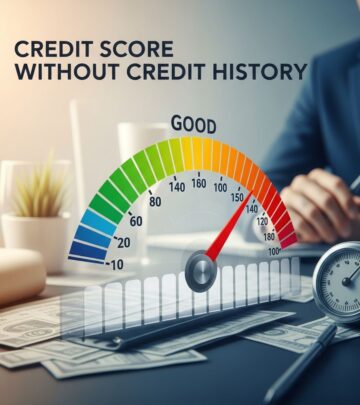
There is no such thing as a credit score of zero. Widely used scoring models like FICO and VantageScore typically range from 300 to 850, meaning 300 is the lowest possible score, not zero.
If you check for your score and none is returned, you do not have a score of zero. Instead, you simply do not have enough information in your credit file to generate a score, so you are credit invisible or unscorable.
When can a score be generated?
- VantageScore can often generate a score with as little as one month of reported account activity, once a tradeline appears on your report.
- FICO typically requires at least one account that is six months old or more and has been reported to the credit bureau before it will calculate a score.
This means even after you open your first credit account, it may take a few months before you see a usable score from every scoring model.
How Having No Credit History Can Affect You
Lenders, landlords, and other organizations use credit information as a fast way to assess how reliably you meet your financial obligations. When you have no history, they have less data to rely on, which may lead to extra scrutiny or outright denials.
Areas of life that may be affected
- Credit cards: Without a score, you may be declined for many unsecured cards or offered lower limits and higher interest rates.
- Auto loans and personal loans: Lenders may require a co-signer, larger down payment, or charge higher rates when there is no credit history.
- Apartment rentals: Landlords often run credit checks. With no report, they may ask for a larger security deposit or a co-signer.
- Utilities and cell phones: You might be asked to pay a deposit up front if the company cannot review your prior payment behavior.
- Employment: Some employers review a version of your credit report (not your score) for certain roles. A lack of history can raise questions, although it is usually less serious than a report with serious delinquencies.
None of this means you are doomed if you lack credit. It simply highlights why building a basic history is helpful, even if you rarely need to borrow.
How to Check Whether You Have a Credit History
Before you start building credit, it is smart to confirm whether you already have a file and to make sure the information in it is accurate.
Step 1: Request your free credit reports
In the United States, you can obtain free credit reports from Experian, Equifax, and TransUnion through the official website authorized by federal law. If the bureaus have any data about you, you will receive a report even if no score can be calculated yet.
- If you get a notice that no report is available, you likely have no file at that bureau, which confirms you are credit invisible with that agency.
- If you receive a report despite never using credit, review it carefully. A file in your name with unfamiliar accounts could signal identity theft or mixed information, which you should dispute.
Step 2: Check your score (if a file exists)
Once you know you have a credit file, you can use a bank, lender, or other trusted provider to view your score, usually based on FICO or VantageScore models. Different services may show slightly different numbers, but all should fall within the 300–850 range if you have a score at all.
How to Start Building Credit from Scratch
To move from credit invisible to having a solid score, you need at least one account that reports your activity to the major credit bureaus and you must manage it responsibly over time.
1. Open a secured credit card
A secured credit card is a common starting point for people with no history. You provide a refundable security deposit that typically becomes your credit limit. The issuer then reports your payments and balances just like with a regular card.
- Choose a card that reports to all three bureaus (Experian, Equifax, TransUnion).
- Charge only small amounts each month and pay the balance in full by the due date.
- Keep your balance low relative to your limit—ideally under about 30% of your limit at any given time—to help your emerging score.
2. Become an authorized user
Another strategy is to be added as an authorized user on someone else’s well-managed credit card, such as a parent, partner, or close relative.
- Many card issuers report authorized user activity to the credit bureaus, which can help you build history faster.
- The primary cardholder’s payment habits and balances will be reflected in your file, so it is crucial that the account is used responsibly.
- You do not necessarily need to use the card yourself for the history to appear, depending on the issuer’s policies.
3. Consider a credit-builder or starter loan
Some financial institutions and community organizations offer credit-builder loans designed specifically for people with no or limited history.
- With a typical credit-builder loan, the lender deposits the loan amount into a locked savings account, and you make fixed monthly payments.
- Your on-time payments are reported to the credit bureaus, building a positive track record.
- At the end of the term, you receive the funds (often plus a portion of the interest you paid, depending on the program).
Some traditional small personal loans from credit unions or banks can serve a similar purpose, provided they are reported to the bureaus and you pay them on time.
4. Use alternative data where possible
Some services and scoring models can incorporate alternative data such as utility, rent, or telecom payments to help people with thin files. While not all lenders use these scores, they can sometimes give you a boost or provide an entry point for those with no history.
- Programs from major bureaus or lenders may allow you to add rent and utility payments to your file.
- These services do not replace traditional credit-building but can complement it for faster progress.
Habits That Help You Build and Maintain Good Credit
Once you have an account that reports to the bureaus, your ongoing behavior matters more than the specific product you used to start.
Key credit-building habits
- Pay every bill on time: Payment history is one of the most important factors in most scoring models.
- Keep balances low: High balances relative to your credit limits can hurt your score, even if you pay on time.
- Avoid opening too many accounts quickly: Frequent applications for new credit can temporarily lower your score and shorten your average account age.
- Monitor your reports regularly: Check for errors or signs of identity theft and dispute any inaccuracies with the bureaus.
- Be patient: It can take several months of consistent, responsible use before you see a stable score from all major models.
How Long Does It Take to Get a Credit Score?
The timeline for getting your first credit score depends on the scoring model and when your lender reports account activity.
- For many people, a VantageScore can be generated within a month or two after the first account appears on a credit report.
- A FICO score usually requires at least six months of account history with at least one reported account before a score is calculated.
Over time, as you add more accounts and demonstrate a longer track record, your score becomes more robust and tends to stabilize, assuming you maintain good habits.
Frequently Asked Questions (FAQs)
Q: If I have no credit history, is it better or worse than having bad credit?
Having no history is different from having bad credit. With no history, lenders simply do not have enough information to judge risk. With bad credit, they see evidence of past problems like late payments or defaults. In practice, both situations can limit your options, but starting from no history may make it easier to build a good score once you begin using credit responsibly.
Q: Can I be approved for an apartment or loan without a credit score?
It is possible, but it can be more difficult. Landlords and lenders may ask for additional documentation such as proof of income, employment history, or a larger deposit. Some may also require a co-signer who has an established credit profile.
Q: Will my debit card or prepaid card help me build credit?
No. Debit card and prepaid card activity generally is not reported to the major credit bureaus and therefore does not build your credit history. To establish credit, you need products such as credit cards or loans that specifically report to Experian, Equifax, and TransUnion.
Q: What if I find accounts on my report that I never opened?
If your report shows unfamiliar accounts, it may indicate a file mix-up or identity theft. In that case, you should contact the credit bureaus and the lenders involved to dispute the errors, place appropriate alerts or freezes, and follow official guidance on addressing identity theft.
Q: Once I build a credit score, can it disappear?
Yes, if you stop using credit for a long period, your file may no longer meet the minimum criteria for scoring and you could become unscorable again. Keeping at least one low-activity, well-managed account open and used occasionally can help maintain your history over time.
References
- Your Credit History Explained — Consumer.gov (Federal Trade Commission). 2023-02-01. https://consumer.gov/credit/your-credit-history-explained
- Understanding Your Credit — Consumer Advice, Federal Trade Commission. 2023-03-15. https://consumer.ftc.gov/articles/understanding-your-credit
- What Is My Credit Score If I Have No Credit History? — Bankrate. 2024-04-10. https://www.bankrate.com/credit-cards/building-credit/no-credit-score-zero-credit/
- What Having No Credit Score Really Means — TDECU. 2023-06-20. https://www.tdecu.org/blog/what-no-credit-score-means
- No Credit Score Doesn’t Mean a Zero Credit Score — NerdWallet. 2023-08-09. https://www.nerdwallet.com/finance/learn/no-credit-score-zero-credit-score
- How to Establish Credit If You’re Unscoreable — Experian. 2023-05-11. https://www.experian.com/blogs/ask-experian/how-to-establish-credit-if-youre-unscoreable/
- New Credit & Your Credit Score — myFICO. 2022-09-01. https://www.myfico.com/credit-education/credit-scores/new-credit
Similar Articles








Read full bio of medha deb