Build Credit Using Credit Cards: Step-By-Step Guide
Master credit card strategies to establish strong credit history and unlock better financial opportunities today.
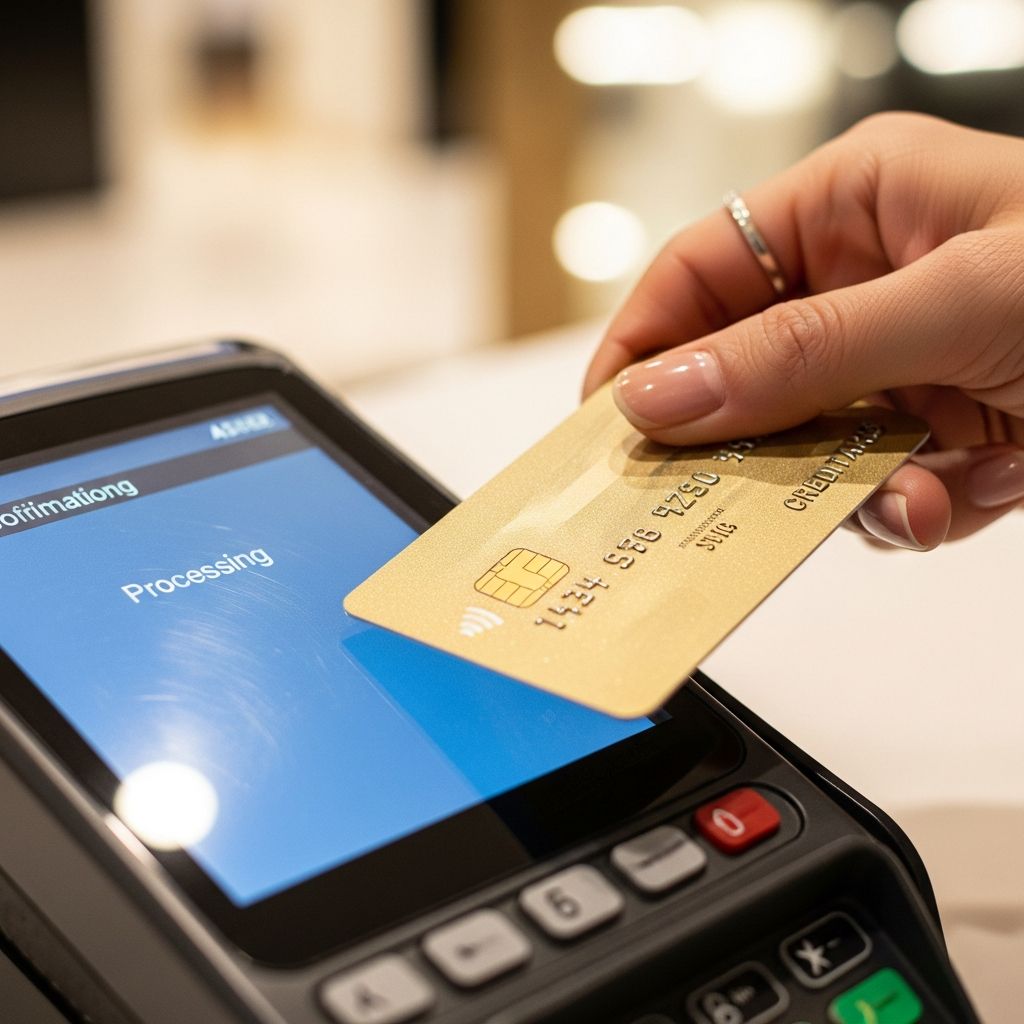
Establishing a solid credit foundation with credit cards involves strategic choices and disciplined habits that demonstrate reliability to lenders. This approach not only helps beginners but also aids those rebuilding their profiles by focusing on timely payments and low debt levels.
Understanding Credit Scores and Their Importance
A credit score, typically ranging from 300 to 850, measures your creditworthiness based on factors like payment history, debt amounts, credit age, new accounts, and credit variety. Scores above 670 are generally viewed as good, opening doors to lower interest rates on loans and rentals. Payment history carries the most weight, around 35% of your FICO score, making consistent on-time payments crucial.
Strong credit saves money over time through favorable terms on mortgages, auto loans, and insurance premiums. Even without immediate borrowing needs, building credit now prepares you for future opportunities like homeownership or business funding.
Choosing Your First Credit Card Wisely
For those with no credit history, traditional unsecured cards may be inaccessible. Opt for products designed for newcomers:
- Secured credit cards: Deposit funds (e.g., $200-$500) as your credit limit. Use it like a regular card, and payments rebuild your limit. Many issuers upgrade to unsecured versions after responsible use.
- Credit-builder cards or debit-linked options: These report activity without traditional risk, ideal for absolute beginners.
- Store or retail cards: Easier approval but higher rates; limit to one and use sparingly.
Compare fees, reporting to all three bureaus (Experian, TransUnion, Equifax), and upgrade paths. Avoid high-fee cards that hinder progress.
Daily Habits for Credit Growth
Once approved, treat your card as a tool for positive history:
- Make small, affordable purchases like gas or groceries.
- Pay the full balance monthly to avoid interest and show responsibility.
- Set autopay for minimums, but aim to clear everything.
| Habit | Impact on Score | Tip |
|---|---|---|
| On-Time Payments | 35% of score | Pay before due date |
| Low Utilization | 30% of score | Keep under 30% |
| Account Age | 15% of score | Keep old accounts open |
Maintaining utilization below 30%—the ratio of balance to limit—signals control. For a $1,000 limit, charge under $300.
Advanced Strategies to Accelerate Progress
Beyond basics, diversify and optimize:
- Request limit increases: After 6-12 months of good use, ask for higher limits to lower utilization without more spending.
- Become an authorized user: Join a trusted family member’s card with long, positive history. Their habits can boost your score instantly.
- Mix credit types: Add an installment loan later for variety, but only if needed.
Monitor progress weekly via free tools from bureaus. Dispute errors promptly.
Alternatives When Cards Aren’t Ideal
Not ready for cards? Explore these:
- Credit-builder loans: Repay $300-$1,000 over 6-24 months; funds released at end. Builds savings and history.
- Report rent/utilities: Services add payments to reports.
- Co-signers: Borrow with help, but ensure you cover payments to avoid shared damage.
Student or auto loans count if managed well, but avoid unnecessary debt.
Common Mistakes to Avoid
Pitfalls can stall or reverse gains:
- Maxing out limits, spiking utilization.
- Missing payments, which stay 7 years.
- Opening too many accounts quickly, seen as risk.
- Closing old cards, shortening history.
- Ignoring statements or scores.
Budget first: Track income vs. expenses to ensure affordability.
Timeline for Results
Expect 3-6 months for initial scores with consistent actions. Full benefits take 1-2 years. Patience pays: Scores improve faster with low inquiries and steady use.
Young adults or immigrants often start here, turning no history into strong profiles.
Frequently Asked Questions
Can I build credit without a credit card?
Yes, via credit-builder loans, authorized user status, or reporting rent/utilities.
How long until I see score improvements?
Typically 1-3 months after first activity, accelerating with good habits.
Does paying off my card monthly help?
Absolutely—it builds payment history without interest debt.
What’s a good starting utilization ratio?
Under 10% ideal, never over 30%.
Should I get multiple cards early?
No—start with one, add after 6-12 months.
Long-Term Maintenance Tips
Sustain gains by reviewing reports annually, limiting new credit, and balancing revolving/installment types. Good habits compound: A 700+ score yields real savings, like thousands on a mortgage.
Financial institutions offer tools like budgeting apps to stay on track.
References
- How to Build Credit: A Comprehensive Guide — Experian. 2023. https://www.experian.com/blogs/ask-experian/credit-education/improving-credit/building-credit/
- How to Build Your Credit Successfully — Intuit Blog. 2023. https://www.intuit.com/blog/innovative-thinking/financial-tips/build-credit/
- How to Build Credit from Scratch — Alltru Credit Union. 2023. https://alltrucu.org/blog/how-to-build-credit-from-scratch/
- How to Build Credit from Scratch: 4 Things to Know — Global Credit Union. 2023. https://www.globalcu.org/learn/credit/how-to-build-credit/
- How To Build Credit as a First-Timer — Fidelity Bank. 2023. https://www.fidelitybankonline.com/how-to-build-credit-a-guide-for-beginners/
- What are some ways to start or rebuild a good credit history? — Consumer Financial Protection Bureau. 2023-10-01. https://www.consumerfinance.gov/ask-cfpb/what-are-some-ways-to-start-or-rebuild-a-good-credit-history-en-2155/
Similar Articles








Read full bio of medha deb