Build Credit Using Bank Accounts
Discover practical strategies to establish and improve your credit score directly through everyday bank account activities without traditional loans or cards.

Establishing a solid credit history often feels out of reach for those without traditional credit products, but your existing bank account offers a powerful starting point. Modern financial tools now allow regular banking activities—like bill payments and direct deposits—to contribute positively to your credit score, providing an accessible path for newcomers to credit or those rebuilding after setbacks.
Why Bank Accounts Matter for Credit Building
Bank accounts themselves do not directly create credit files, as credit bureaus like Experian, TransUnion, and Equifax primarily track lending and repayment behaviors. However, innovative services bridge this gap by analyzing your banking data and reporting verified positive payments to these bureaus. This approach leverages your proven responsibility with everyday finances, such as utility bills or subscriptions, to generate creditworthy activity without incurring debt.
Payment history accounts for 35% of your FICO score, making consistent, on-time transactions from bank-linked services invaluable. Unlike credit cards, which carry spending risks, bank-based methods emphasize stability and low-risk habits, ideal for long-term financial health.
Key Services That Turn Bank Activity into Credit
Several free or low-cost platforms integrate with your bank account to scan and report positive payment data. Here’s how they work:
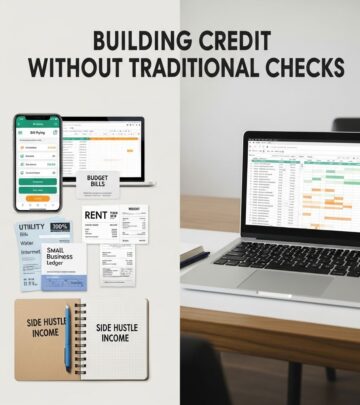
- Experian Boost: This free tool connects to your bank account to identify and report on-time payments for utilities, telecom, streaming, and rent (if applicable). Eligible payments from the past 24 months can instantly add points to your Experian score, with no impact on other bureaus unless you opt in. Over 70% of users see an immediate boost, averaging 13 points.
- Credit-Building Debit Cards: Products like the Extra Debit Card link to your existing bank and provide a line of credit (Spend Power) for purchases. Transactions are spotted from this line and repaid automatically, with activity reported to bureaus as positive credit behavior—no interest or hard checks involved.
- Rent and Bill Reporting Apps: Services such as StellarFi or Self monitor recurring bank payments and report them. For instance, Self offers credit-builder accounts where monthly deposits build savings while payments are reported.
These tools require linking your bank via secure Plaid connections, ensuring read-only access to transaction history without sharing login credentials.
Step-by-Step Guide to Getting Started
- Check Your Current Credit Profile: Use free annualcreditreport.com (official U.S. government site) to pull reports from all three bureaus. Identify gaps like thin files or missing positive data.
- Select a Compatible Bank Account: Opt for checking accounts with direct deposit history, as steady income verification strengthens applications for reporting services. High-yield savings can complement by demonstrating savings discipline.
- Sign Up and Verify Payments: Download apps like Experian Boost, authorize bank link, and review scannable bills. Confirm opt-in for reporting to start building history.
- Maintain Consistency: Set up autopay for all eligible bills. Aim for 6-12 months of reported activity to solidify your score.
- Monitor Progress: Track score changes via free apps from the services. Expect gradual improvements, especially if starting from no history.
Comparing Popular Bank-Linked Credit Builders
| Method | Cost | Reports To | Best For | Potential Boost |
|---|---|---|---|---|
| Experian Boost | Free | Experian | Quick, no-risk start | Up to 20+ points instantly |
| Extra Debit Card | Free (no fees) | All major bureaus | Everyday spending | Builds with purchases |
| Credit-Builder Loans via Bank | Low fees/interest | All bureaus | Structured savings | 30-50 points over term |
| Rent Reporters (e.g., StellarFi) | $/month | All bureaus | Renters | 20-40 points |
This table highlights options based on accessibility and impact. Credit-builder loans, often offered through banks or credit unions, hold funds in a savings-like account while you repay, releasing principal at term end.
Advanced Strategies: Combining Bank Tools with Other Habits
Maximize gains by pairing bank services with complementary actions:
- Direct Deposits and Savings Growth: Banks like those offering Experian Smart Money report debit activity via Boost after three months, tying banking reliability to credit.
- Utility and Phone Payments: Ensure services in your name; mobile carriers like those reporting to bureaus build installment-like history.
- Authorized User on Family Accounts: While not bank-direct, a responsible primary’s history can piggyback, but verify issuer reports authorized users.
Avoid pitfalls: Only link trusted accounts, and never share full login details. Services won’t access funds, only transaction data.
Real-World Impact and Success Stories
Users report transformative results. One common outcome: thin-file individuals jumping from no score to 650+ within months via Boost and debit tools. Federal Reserve notes credit-builder loans mimic savings, ideal for underserved groups. Statistics show 2.6 million Americans used such services in 2023, with average FICO gains of 20-60 points.
For immigrants or young adults without U.S. history, bank-linked reporting provides the fastest entry, often outperforming secured cards initially due to no deposit requirement.
Potential Drawbacks and Risk Management
No method is flawless. Boost only affects Experian (40% lender use), so diversify. Debit lines carry spending limits based on bank balance—overspending risks overdrafts. Always read terms: Some require minimum activity for reporting.
Mitigate by starting small, reviewing privacy policies (e.g., SOC 2 compliance), and disputing errors via bureau sites. Patience is key; full benefits accrue over 6-24 months.
Long-Term Financial Benefits
Beyond scores, these habits foster discipline. Improved credit unlocks lower rates on future loans (e.g., 1-2% savings on mortgages), better job prospects (75% employers check credit), and insurance discounts. Pair with budgeting apps for holistic growth.
Frequently Asked Questions
Does opening a bank account build credit?
No, but linking it to reporting services does by converting payments to credit data.
How quickly can I see credit improvement?
Instantly with Boost for verified history; ongoing with debit/payments over months.
Is there any cost to these services?
Many are free; loans may have small fees. Avoid paid reports unless verified value.
Can I build credit with just savings accounts?
Indirectly via builder loans or consistent deposits reported through apps.
What if I have bad banking history like overdrafts?
Focus on positive payments; time heals negatives (7 years max).
Next Steps for Your Credit Journey
Download a tool today, link your account, and commit to autopay. Track monthly via Credit Karma or bureau apps. Your bank is already a financial hub—now make it your credit builder too.
References
- How To Build Credit Without A Credit Card — Bankrate. 2024-01-15. https://www.bankrate.com/personal-finance/credit/how-to-build-credit-without-credit-card/
- How to Build Credit Without Using a Credit Card — Discover. 2023-11-20. https://www.discover.com/credit-cards/card-smarts/how-build-credit-without-credit-card/
- How to build a credit score without a credit card — FFBKC. 2024-02-10. https://www.ffbkc.com/blogs/managing-money/build-credit-score-without-credit-card/
- How to Build Credit Without a Credit Card — American Express. 2024-03-05. https://www.americanexpress.com/en-us/credit-cards/credit-intel/how-to-build-credit-without-a-credit-card/
- 7 Ways to Build Credit if You Have No Credit History — Experian. 2025-01-12. https://www.experian.com/blogs/ask-experian/how-to-build-credit-with-no-credit-history/
- Extra Debit Card® – Build Credit Without a Credit Card — Extra. 2024-06-01. https://extra.app
Similar Articles








Read full bio of medha deb