Emergency Kit On A Budget: Build A 72-Hour Kit Under $100
Learn how to assemble a comprehensive emergency kit without breaking the bank using everyday items and smart shopping strategies.
Disasters can strike without warning, from hurricanes and floods to power outages or earthquakes. Having a well-stocked emergency kit can mean the difference between panic and preparedness. The good news? You don’t need to spend a fortune. By using items you already have, shopping smart, and prioritizing essentials, you can assemble a comprehensive kit for under $100. This guide walks you through budget-friendly strategies, drawing from official recommendations to ensure your family stays safe.
Why You Need an Emergency Kit
Emergency kits provide the basics for survival when utilities fail and help arrives late. Official sources like the National Institute on Aging recommend stocking water, food, flashlights, first aid, and hygiene items for at least 72 hours. The American Red Cross advises a 3-day supply for evacuation or 2 weeks at home. Customize for your family—infants, seniors, pets, or medical needs. Start small and build over time to avoid overwhelming expenses.
Assess Your Needs First
Before buying anything, inventory your home. Check pantries for non-perishables, medicine cabinets for first aid basics, and garages for tools. Consider family specifics: medications for chronic conditions, baby formula, or pet food. Fairfax County suggests repurposing old backpacks, extra glasses, and airtight jars. Make a list: aim for 1 gallon of water per person per day (3 days minimum), non-perishable food, and multi-purpose tools.
Budget Strategies: Use What You Have
The cheapest way to build your kit is leveraging household items. No need for fancy pre-made kits—DIY saves 50-70%.
- Water: Refill plastic milk jugs or buy gallon jugs on sale. Add purification tablets from dollar stores.
- Food: Rotate pantry staples like canned beans, peanut butter, granola bars, and dried fruits. Check expiration dates quarterly.
- Flashlight & Radio: Use existing ones with extra batteries from remotes or toys. Hand-crank options cost under $10.
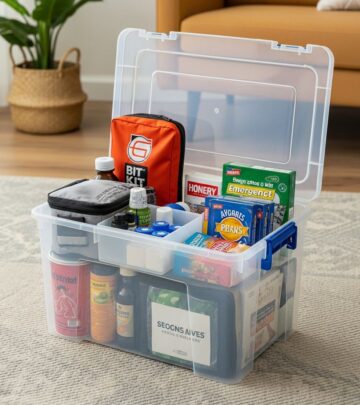
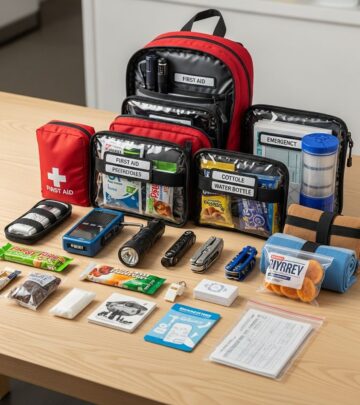
- Container: Old backpacks, duffel bags, or plastic bins work perfectly.
Pro tip: Save takeout utensils, condiment packets, and hotel toiletries. Dryer lint makes excellent fire starters.
Shop Sales and Dollar Stores
Dollar stores and clearance aisles are goldmines for bulk buys. Stock up during back-to-school or holiday sales.
| Item | Budget Source | Est. Cost |
|---|---|---|
| Batteries (AA/AAA pack) | Dollar store | $1-3 |
| Non-perishable food (cans/bars) | Grocery clearance | $10-20 |
| First aid basics (bandages, antiseptic) | Pharmacy sales | $5-10 |
| Hygiene (soap, toothpaste) | Hotel freebies + dollar store | $2-5 |
| Manual can opener | Thrift store | $1-2 |
Total for basics: ~$50. Massachusetts recommends ready-to-eat canned goods and protein bars.
Essential Items List
Build around these core categories, prioritized by official checklists.
Water and Food (3-Day Minimum)
- 1 gallon/person/day (store in clean containers).
- Non-perishables: canned meats, fruits, peanut butter, crackers, energy bars.
- Baby food/formula, pet food if applicable.
Tools and Lighting
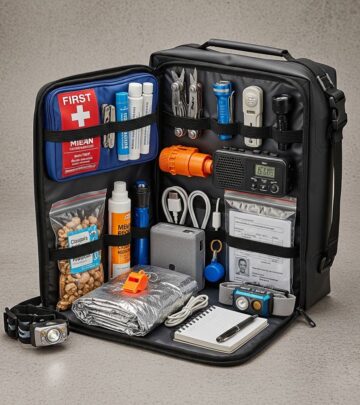
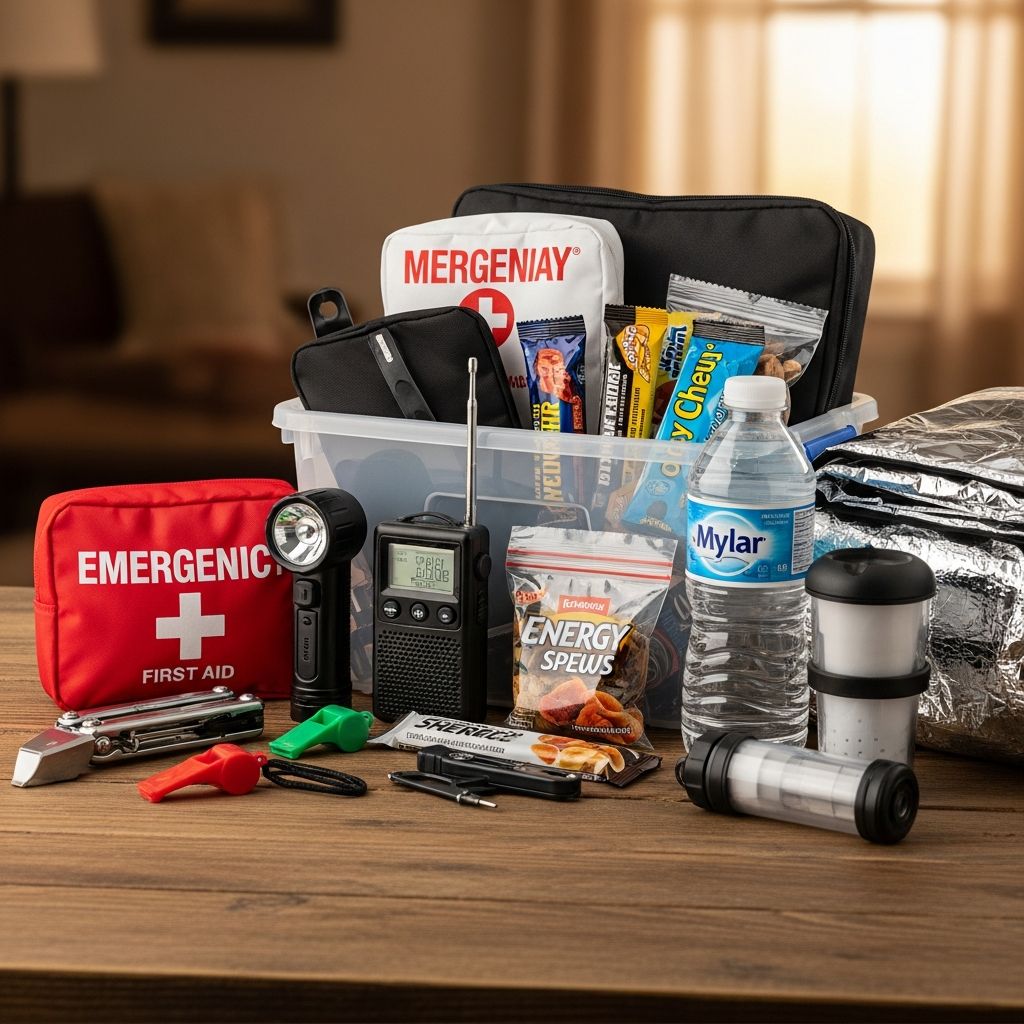
- Flashlight, extra batteries, hand-crank radio (NOAA weather alerts).
- Multi-tool, duct tape, wrench/pliers for shutoffs.
- Whistle, waterproof matches.
First Aid and Medications
- Bandages, gauze, tweezers, scissors, antiseptic wipes, pain relievers.
- 7-14 day prescription supply, copies of scripts.
- Medical devices: glasses, hearing aids, syringes.
Hygiene and Sanitation
- Moist towelettes, garbage bags, plastic ties, hand sanitizer.
- Soap, toothpaste, toilet paper, feminine products.
- Household bleach (disinfectant: 8 drops/gallon water).
Clothing and Shelter
- Change of clothes, sturdy shoes, rain gear per person.
- Sleeping bags/blankets, emergency mylar blankets ($1 each).
Documents and Cash
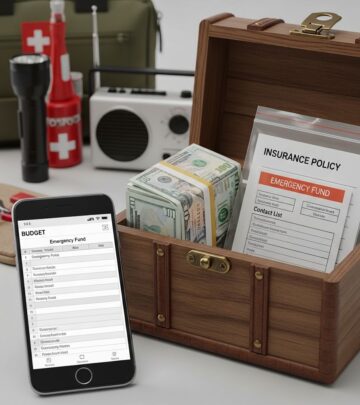
- Copies of IDs, insurance, medical info in waterproof bag.
- Extra cash ($100+ in small bills), family contacts.
Special Needs
- Infants: Diapers, formula, bottles.
- Seniors: Assistive devices, extra meds.
- Pets: Leash, food, records, carrier.
Low-Cost Add-Ons for Comfort
Enhance morale without excess spending: board games, books, puzzles from thrift stores. Seasonal items like sunblock or extra layers. VDEM suggests comfort items like stuffed toys for kids.
Storage and Maintenance
Store in one accessible spot: cool, dry, away from living areas. Use clear bins for visibility. Check/rotate every 6 months—eat dated food, replace meds. Label kits: “72-Hour Kit.” Test gear like flashlights yearly.
Common Mistakes to Avoid
- Overbuying perishables—stick to non-perishables.
- Forgetting pets or medical needs.
- Poor storage—avoid damp basements.
- No cash—ATMs fail in outages.
Frequently Asked Questions (FAQs)
Q: How much should an emergency kit cost?
A: $50-100 if using household items and sales. Focus on essentials first.
Q: How much water do I need?
A: 1 gallon per person per day for 3 days minimum (evacuation) or 2 weeks (shelter-in-place).
Q: What’s the best container for my kit?
A: Backpack or duffel for portability; plastic totes for home storage.
Q: Do I need a separate pet kit?
A: Yes—include food, water (1.5 gal/pet/3 days), leash, records.
Q: How often should I update my kit?
A: Every 6 months: rotate food, check batteries/meds.
Final Tips for Budget Builders
Join free preparedness classes via Red Cross or local emergency management. Apps track expiration dates. Involve family—teach kids kit locations. Preparedness is empowerment: start today with one category. Your wallet and peace of mind will thank you.
References
- 10 Emergency Kit Essentials — National Institute on Aging. 2023. https://www.nia.nih.gov/health/safety/10-emergency-kit-essentials
- Build an Emergency Kit — Mass.gov. 2024-01-15. https://www.mass.gov/info-details/build-an-emergency-kit
- What Do You Need In a Survival Kit — American Red Cross. 2025-06-10. https://www.redcross.org/get-help/how-to-prepare-for-emergencies/survival-kit-supplies.html
- Emergency Kit — Virginia Department of Emergency Management. 2024. https://www.vaemergency.gov/prepare/emergency-kit
- Emergency Preparedness on a Budget: 5 Low-Cost Ways — Fairfax County Government. 2023-08-22. https://www.fairfaxcounty.gov/health/emergency-preparedness-budget-5-low-cost-ways-build-supplies-kit
- Make an Emergency Kit — Lafayette, CO Official Website. 2024. https://www.lafayetteco.gov/688/Make-an-Emergency-Kit
Similar Articles








Read full bio of Sneha Tete