Budgeting For Twins: Smart Ways To Handle Double Costs
Practical, real-life money strategies to manage the unique financial challenges that come with raising twins from day one.

Finding out you are expecting twins can feel magical and overwhelming at the same time, especially when you start thinking about the money side of things. Two sets of diapers, two car seats, twice the clothing, and potentially double daycare costs can put serious pressure on your finances. The good news is that with a clear plan and a few strategic habits, budgeting for twins is absolutely manageable.
This guide walks through practical, real-life tips for saving money with twins, planning for big expenses, and staying on top of your family budget without sacrificing your babies’ needs or your financial goals.
Why Budgeting For Twins Matters
Twins can intensify many of the normal costs of having a baby, especially during the first year when parents are paying for diapers, formula or extra food, and frequent medical visits. Estimates of the average cost of raising a child typically reach into the hundreds of thousands of dollars from birth to age 17, and those costs can rise with multiple children of the same age. While you may not be able to control every expense, you can control how prepared you are.
Creating a thoughtful budget for your twins helps you:
- Stay out of high-interest debt while managing new costs
- Plan ahead for large upcoming purchases instead of scrambling
- Spot areas where you can save without sacrificing essentials
- Keep contributing to your long-term goals (like retirement) even while paying for baby expenses
Instead of reacting to every new bill, you will know what is coming and how to handle it.
11 Practical Tips For Budgeting With Twins
Below are 11 strategies inspired by real twin parents that can help you manage double the costs with confidence.
1. Join Warehouse Clubs For Bulk Savings
With twins, some items disappear almost as fast as you bring them home. Diapers, wipes, formula, and later snacks can easily eat up a huge share of your monthly budget. Warehouse clubs like Costco, Sam’s Club, or BJ’s can be powerful tools for cutting your per-unit costs on these staples.
Consider buying the following in bulk to save money:
- Diapers and wipes
- Formula or shelf-stable baby food (if used)
- Laundry detergent and cleaning supplies
- Non-perishable pantry items for your whole family
Always compare warehouse prices with sale prices at regular stores or online. A store sale combined with coupons can sometimes beat warehouse pricing. Do the math on the price per diaper or per ounce of formula so you know when a deal is truly a deal.
2. Ask For Samples At The Pediatrician’s Office
Your pediatrician’s office can be a surprisingly helpful place for saving money. Many pediatric practices receive samples from formula manufacturers, diaper brands, and skin-care companies. These are intended to be given to parents, and with twins, you may need more than the typical family.
- Ask directly if they have formula, diaper, or rash cream samples you can try.
- Use samples to test what works for your babies before committing to bulk purchases.
- Take note of which brands your babies tolerate best and watch for coupons or promotions on those.
Samples can help you avoid buying large containers of products that end up not working for your twins, reducing waste and cost.
3. Become A Coupon Hunter
For parents of twins, every discount can add up quickly. Manufacturers’ coupons, store coupons, and digital promotions can significantly reduce the cost of diapers, wipes, formula, and household items. Research has found that strategic use of coupons and promotions can meaningfully reduce food and household expenses for families, especially when combined with planning and price comparison.
Ways to maximize coupon savings include:
- Signing up for brand newsletters (diapers, formula, baby food) to receive regular coupons.
- Using store loyalty apps for digital coupons and points.
- Stacking a manufacturer coupon with a store coupon when allowed.
- Timing large purchases around sales and promotions.
To avoid overwhelm, focus on the products you buy regularly for your twins and build a simple routine: check apps or mailers once a week and plan purchases around the best deals.
4. Use Hand-Me-Downs And Preowned Items
Because twins grow through clothing sizes and baby gear at the same pace, buying everything new can be particularly expensive. Many parents offset these costs by leaning on hand-me-downs and quality preowned items. Studies on household consumption show that secondhand goods offer major savings and can meaningfully reduce resource use, which may appeal if you are also trying to live more sustainably.
Smart ways to use secondhand items include:
- Accepting clothing, toys, and books from friends or relatives whose children are a bit older.
- Shopping local parenting groups or online marketplaces for gently used big-ticket items like high chairs, swings, or bouncers.
- Prioritizing durable items that can handle use by two babies at once.
However, be cautious with some baby gear. Safety guidelines recommend avoiding certain used items that may be outdated or damaged, such as older car seats or recalled equipment. Always check expiration dates on car seats, look up recalls on cribs and strollers, and avoid using items that do not meet current safety standards.
5. Plan Ahead For Bigger Expenses
Twins will eventually need items you may not buy right away, such as convertible car seats, larger strollers, high chairs, and toddler beds. Instead of waiting until your twins outgrow their current gear, start planning and saving early.
Ahead-of-time planning might include:
- Making a list of upcoming big purchases (second-stage car seats, high chairs, larger stroller, etc.).
- Researching prices and identifying the brands or models that fit your budget and lifestyle.
- Setting aside a small amount each month into a dedicated “twin expenses” sinking fund.
- Waiting for major sales periods (e.g., seasonal clearances or big annual sales) to buy.
Spreading these costs over several months keeps them from destabilizing your budget and makes it easier to avoid putting them on a credit card.
6. Leverage Rewards Programs
Retailer and brand loyalty programs can offer cash-back, discounts, or free products in exchange for repeat purchases. When you are buying for twins, you reach reward thresholds much faster than parents buying for one child.
- Join store loyalty programs where you regularly buy baby items (pharmacies, big-box stores, grocery chains).
- Sign up for baby clubs from major brands; many provide points for purchases that can be redeemed for coupons or gifts.
- Consider a cash-back or rewards credit card if you can pay the balance in full each month and avoid interest.
Track your rewards so they do not expire unused. A simple note in your budgeting app or planner can remind you when you have points or credits to apply to your next diaper or formula run.
7. Cook At Home And Meal Prep
While baby-specific costs rise with twins, your own food budget can also balloon if you rely heavily on takeout during the hectic newborn stage. Yet research shows that home-prepared meals tend to be less expensive and healthier than food eaten away from home.
To save both money and time, try:
- Batch cooking simple meals (soups, casseroles, baked pasta) and freezing portions for busy nights.
- Prepping ingredients on weekends—chopped vegetables, cooked grains, marinated proteins.
- Rotating a small set of easy, budget-friendly meals so you are not reinventing the wheel each week.
- Using a slow cooker or pressure cooker for hands-off cooking while you care for the babies.
Even replacing a few restaurant meals a week with home-cooked options can free up money for your twins’ essentials or your savings goals.
8. Don’t Buy Everything At Once
Marketing messages often suggest that babies require a long checklist of gear. With twins, that list can look even more intimidating. In reality, many parents discover that they use only a fraction of the items they thought they needed.
Instead of buying two of everything before your twins arrive:
- Start with the true essentials: safe sleep spaces, car seats, feeding basics, clothing, and basic diapering supplies.
- Wait to see your babies’ preferences and needs before buying extras like swing types, toys, or special gadgets.
- Add items slowly over time as real needs arise, spreading costs over several months.
This approach protects your budget and reduces clutter. It also makes it easier to spend on what truly makes your life with twins easier, instead of on items you rarely use.
9. Join A Twin Parent Community
Other parents of twins are a valuable source of both emotional support and money-saving tips. Local and online twin clubs often hold gear swaps, share advice on what is worth buying, and can alert you to deals in your area.
- Search for local twin or multiple-birth organizations.
- Look for online communities or social media groups focused on twins.
- Ask experienced twin parents what they would skip or buy secondhand if they were starting over.
In addition to practical savings, having a community can make the entire experience less stressful, which can indirectly support better financial decisions.
10. Accept Free Help From Trusted Family And Friends
With twins, accepting help is not a luxury—it can be a major component of your financial and emotional survival. Help does not always come in the form of cash; time and services can be just as valuable.
- Let family or friends bring meals, which can reduce your grocery or takeout spending.
- Accept offers of free babysitting from people you trust to save on child-care costs.
- Say yes to hand-me-down gear and clothing that meet current safety standards.
If you feel uncomfortable accepting help indefinitely, consider setting boundaries or offering non-monetary reciprocation later, such as helping them with moving, pet-sitting, or hosting a meal.
11. Maximize Your Health Insurance Benefits
Twin pregnancies and early infancy can involve more frequent medical appointments, tests, and follow-ups, which can translate to higher medical bills. Understanding your health coverage and using benefits strategically can help you keep these costs under control.
Key steps include:
- Reviewing your plan’s coverage for prenatal care, delivery, and pediatric visits.
- Understanding deductibles, co-pays, and out-of-pocket maximums for your family plan.
- Making sure your twins are added to your policy as soon as possible after birth.
- Using in-network providers when you can to reduce out-of-pocket costs.
- Checking whether your plan covers lactation consultation, breast pumps, or nutrition counseling.
If you have a health savings account (HSA) or flexible spending account (FSA), consider increasing contributions if your budget allows. These accounts let you pay eligible medical expenses with pre-tax money, effectively reducing your tax burden.
Expert Tip: Build A Detailed Monthly Budget For Your Twins
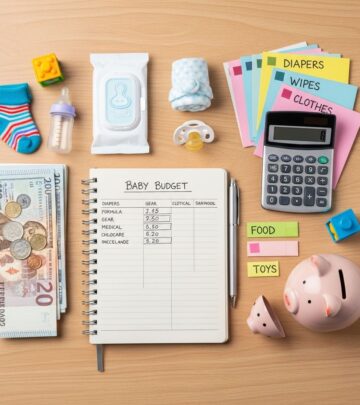
Beyond your general household budget, it can be helpful to create a specific monthly budget category devoted to your twins. This gives you a clear picture of what their expenses truly are and helps you spot trends early.
Common twin-related categories might include:
- Diapers and wipes
- Formula or extra food costs
- Clothing and gear
- Medical and pharmacy expenses
- Child care or babysitting
During the first few months, track every expense carefully. After you have three to six months of data, calculate the average and adjust your budgeted amounts accordingly. If certain categories are consistently higher, this information can guide your savings goals and where you may need to cut back elsewhere.
Sample Monthly Cost Comparison For Twins
| Expense Category | Approximate Monthly Cost (Twins) | Money-Saving Strategies |
|---|---|---|
| Diapers & Wipes | $120–$180 | Buy in bulk, use coupons, track price per unit |
| Formula / Baby Food | $160–$300 | Use samples, buy during sales, consider store brands when appropriate |
| Clothing & Gear | $50–$150 | Use hand-me-downs, buy secondhand, avoid buying too far ahead |
| Medical Costs | Varies by insurance | Use in-network providers, use HSAs/FSAs, schedule preventive care |
| Child Care | $600–$1,200+ | Compare providers, ask about sibling discounts, consider flexible work arrangements |
Note: Numbers are illustrative and can vary widely based on location, insurance coverage, and individual choices.
Frequently Asked Questions (FAQs)
Q1: How much does it cost to raise twins in the first year?
Costs vary significantly by location, lifestyle, and child-care choices, but many families report spending somewhere in the range of several hundred to a couple of thousand dollars per month on combined expenses for twins, especially if full-time child care is involved. Strategic steps like buying in bulk, using secondhand gear, and planning for big expenses can help reduce these monthly costs.
Q2: Do I really need two of everything for twins?
You will absolutely need some items in pairs, like car seats and safe sleep spaces. However, many families successfully share certain gear—such as swings, larger toys, or even some clothing—by rotating use and focusing on what their babies actually like. Start with the essentials and add extras only when you see a genuine need.
Q3: Is breastfeeding twins cheaper than formula feeding?
Breastfeeding can reduce direct formula costs, but it may involve other expenses such as a breast pump, nursing bras, or extra nutritional needs for the breastfeeding parent. Health insurance plans in many countries, including the United States, often cover pumps and some lactation services, which can reduce out-of-pocket costs. Ultimately, the best choice is the one that supports both your babies’ health and your well-being.
Q4: How can I save on child care with twins?
Ask providers if they offer sibling discounts for multiples, compare in-home care with center-based care, and explore flexible work options such as remote work or split schedules if your job allows. Some families combine a mix of paid care and help from relatives to lessen costs. Always ensure that any arrangement meets safety and licensing standards in your area.
Q5: Should I pause retirement savings to afford my twins’ expenses?
In many cases, financial experts recommend continuing at least some retirement saving if at all possible, because you cannot borrow for retirement the way you can for education or other future expenses. However, a short pause or temporary reduction might make sense during intense seasons, such as the first year with twins, as long as you plan to resume contributions as your budget stabilizes.
Content Related To Planning For A Baby
If you are still expecting your twins or thinking about expanding your family further, planning ahead can significantly reduce stress. Consider exploring topics like:
- Creating a pre-baby financial checklist (emergency fund, insurance, debt repayment).
- Comparing health insurance options during open enrollment based on maternity and pediatric coverage.
- Setting savings goals for parental leave, if your income might temporarily decrease.
- Reviewing or creating a will and choosing guardians for your children.
The more you prepare before your twins arrive or before major transitions, the more flexible and confident you will feel when unexpected expenses appear.
Use These Tips To Build A Twin Budget That Works For You
Budgeting for twins is not about perfection. It is about being proactive, staying flexible, and using every tool available—bulk buying, coupons, secondhand gear, community support, and smart use of insurance—to protect your finances while meeting your babies’ needs. Start with a simple written or digital budget, track your spending closely for a few months, and adjust as you learn more about what life with twins truly costs in your household.
Over time, these small, intentional steps can add up to significant savings, less money stress, and more room to enjoy the unique joy that comes with raising twins.
References
- Expenditures on Children by Families, 2017 — U.S. Department of Agriculture. 2017-03-08. https://www.usda.gov/media/blog/2017/03/08/cost-raising-child
- Pricing Strategy – Volume Discounts — Federal Trade Commission (Business Guidance). 2022-05-01. https://www.ftc.gov/advice-guidance/competition-guidance/guide-antitrust-laws
- Consumer Response to Sales Promotions — Neslin, Scott A. in Marketing Science. 2002-01-01. https://pubsonline.informs.org/doi/10.1287/mksc.21.2.168.134
- Secondhand Shopping and Sustainable Consumption — Guiot, Denis & Roux, Dominique in Psychology & Marketing. 2010-01-01. https://doi.org/10.1002/mar.20324
- Cribs and Infant Products Safety Information — U.S. Consumer Product Safety Commission. 2023-02-15. https://www.cpsc.gov/Safety-Education/Safety-Education-Centers/cribs
- Food Away From Home: Nutrition and Cost — U.S. Department of Agriculture, Economic Research Service. 2023-04-10. https://www.ers.usda.gov/topics/food-choices-health/food-away-from-home/
- Women’s Preventive Services Guidelines — U.S. Health Resources & Services Administration. 2024-01-01. https://www.hrsa.gov/womens-guidelines
Similar Articles








Read full bio of medha deb