Budgeting For A Baby: 4-Step Budget Plan For New Parents
Master the financial side of parenthood with expert tips on creating a baby budget, cutting costs, and preparing for unexpected expenses.

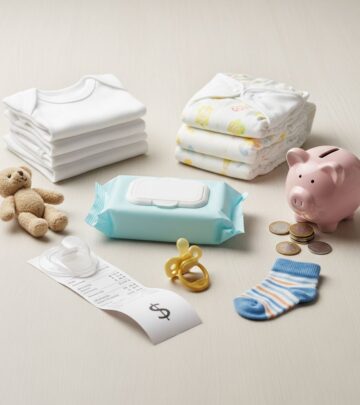
Welcoming a new baby brings immense joy, but it also introduces significant financial responsibilities. The first year alone can cost over $21,000, covering essentials like diapers, formula, childcare, and medical care. Effective budgeting ensures you stretch your income to meet these needs while maintaining financial stability for your family’s future.
Why Budgeting Matters for New Parents
Parenthood transforms your finances, with expenses fluctuating over years. A solid budget helps you track spending, prioritize essentials, and build savings. Use the 50/30/20 rule as a starting point: allocate 50% of income to needs (bills, childcare, diapers), 30% to wants, and 20% to savings and debt repayment. For many families, needs exceed 50% due to childcare costs, so track monthly progress and adjust accordingly.
Before the baby arrives, evaluate your cash flow. Review monthly spending, debts, credit score, and assets to identify cuts. Practice living on a reduced income if one parent plans leave, setting aside the difference for upcoming expenses.
How to Build a Baby Budget in 4 Steps
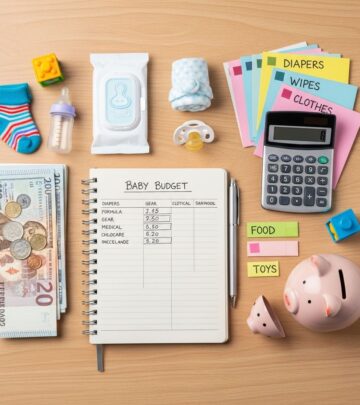
Creating a baby budget requires planning. Follow these steps to establish a baseline and adapt as needs evolve.
Step 1: Determine Your Financial Priorities
Prioritize emergency savings first—aim for at least $500, then build to 3-6 months of expenses. Next, tackle high-interest debts like credit cards. While saving for college is noble, secure your retirement and emergency fund first, as loans are available for education but not retirement.
- Build emergency fund covering 3-6 months of living expenses.
- Pay off toxic debts (payday loans, credit cards).
- Contribute to retirement accounts.
- Then, start a 529 college savings plan.
Step 2: Practice Living on Less
If income will drop due to maternity/paternity leave or one parent staying home, simulate it now. Bank the second income for 3-6 months pre-baby to cover gaps and build savings. Single parents should expand emergency funds significantly.
Step 3: Anticipate Changing Expenses
Baby costs evolve: diapers and formula phase out, replaced by activities like dance lessons. Estimate first-year totals using calculators, then research reductions.
| Expense Category | Estimated First-Year Cost | Tips to Reduce |
|---|---|---|
| Diapers & Wipes | $1,000-$2,000 | Buy in bulk, use cloth, shop sales |
| Formula/Food | $1,500+ | Breastfeed if possible, make homemade food |
| Childcare | $10,000+ | Get quotes, consider family help, in-home care |
| Clothing | $500-$1,000 | Buy secondhand, accept hand-me-downs |
| Medical/Insurance | $2,000-$5,000 | Compare family plans, use HSAs |
One-time costs like cribs ($200-$500) and strollers ($100-$400) won’t recur. Review budgets monthly and anticipate durations—childcare ends at school age.
Step 4: Track and Adjust Monthly
Use apps or spreadsheets to monitor spending. Adjust for surprises like medical bills. Find extra income: side gigs, raises, or sell unused items.
Key Baby Expenses to Budget For
List all potential needs: diapers, wipes, clothing, gear (crib, stroller, car seat), healthcare (visits, vaccinations), childcare, and increased utilities/insurance. Research averages: diapers cost $70/month, childcare up to $1,500/month. Factor family impacts like higher grocery bills.
- Nursery Essentials: Crib ($250 avg), mattress ($150), changing table ($200).
- Feeding: Bottles ($50), high chair ($120), formula ($1,200/year).
- Health: Thermometer, vitamins, doctor co-pays.
- Ongoing: Laundry detergent, cleaning supplies.
Strategies to Cut Baby Costs
Maximize savings with these proven tips:
- Baby Registry & Showers: Request essentials from loved ones.
- Buy Secondhand: Shops for clothes, strollers, pumps—save 50-70%.
- Shop Smart: Generic brands, sales, bulk buys for diapers.
- Reusable Items: Cloth diapers, reusable wipes, multiple-use gear.
- Insurance Shop: Add baby to plans, compare quotes.
- Freebies: Hospital packs, community swaps.
- Quality Over Quantity: Durable items last longer, reducing replacements.
Downgrade luxuries: smaller car, fewer subscriptions. Refinance loans/mortgage for savings.
Long-Term Financial Planning for Parents
Beyond year one, plan for college (529 plans), life insurance, and estate updates. Boost savings: aim for $1,000/month if possible, per 50/30/20 guidelines. Teach kids money skills early with apps.
Frequently Asked Questions (FAQs)
Q: How much does the first year of baby costs?
A: Around $21,000+, including childcare ($10k+), diapers, formula, gear, and medical.
Q: What’s the 50/30/20 budget for parents?
A: 50% needs (bills, baby essentials), 30% wants, 20% savings/debt.
Q: How to afford childcare?
A: Get quotes, use family, employer benefits, or in-home options; budget 20-30% of income.
Q: Should I save for college right away?
A: After emergency fund and retirement; start small 529 contributions.
Q: Best ways to save on diapers?
A: Bulk buys, generics, cloth reusables, sales.
Q: How to prepare if one parent stays home?
A: Practice single income now, build 6+ months emergency fund.
Budgeting for a baby demands flexibility and foresight. Start early, track diligently, and adapt as your family grows for lasting financial peace.
References
- Budgeting for New Parents: How to Budget for Baby — NerdWallet. 2023. https://www.nerdwallet.com/finance/learn/baby-budget-new-parents
- Step-by-Step Guide to Creating a Baby Budget — Clever Girl Finance (YouTube). 2024-03-10. https://www.youtube.com/watch?v=YEAUceI13iM
- How To Save Money For A Child — Bankrate. 2024. https://www.bankrate.com/banking/savings/how-to-save-for-a-child/
- Teaching Kids About Money with Mobile Apps — MoneyRates. 2024. https://www.moneyrates.com/research-center/teaching-kids-about-money-with-mobile-apps.htm
- Is Saving $1000 a Month Good? — MoneyRates. 2024. https://www.moneyrates.com/savings/is-saving-1000-a-month-good.htm
Similar Articles








Read full bio of medha deb