Budgeting Apps: 8 Best Options For 2026, Reviewed
Discover the best budgeting apps to track spending, set goals, and achieve financial control in 2026.
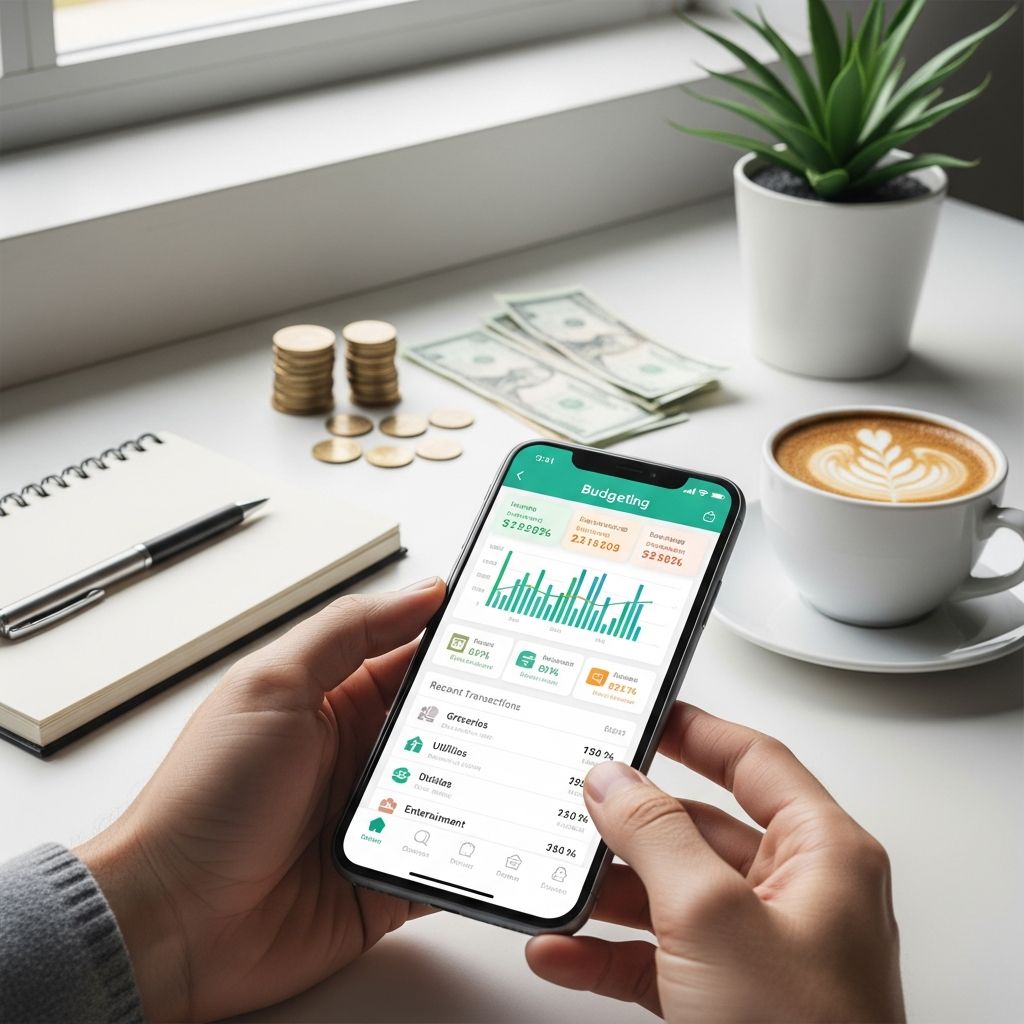
Budgeting apps have become essential tools for managing personal finances in 2026, helping users track spending, set savings goals, and gain control over their money. These apps connect to bank accounts, categorize transactions automatically, and provide insights to promote healthier financial habits. Whether you’re new to budgeting or seeking advanced features, there’s an app suited to your needs.
What Are Budgeting Apps?
Budgeting apps are digital tools designed to help individuals and households plan, track, and manage their income and expenses. They typically sync with financial accounts like checking, savings, credit cards, and investments to automatically categorize transactions and provide real-time visibility into cash flow. Key features often include bill reminders, goal tracking, debt payoff plans, and customizable categories. Many apps employ methods like zero-based budgeting, where every dollar is assigned a purpose, or envelope budgeting, which allocates funds to specific spending categories.
According to Experian, top apps like PocketGuard offer a simple spending snapshot, while YNAB emphasizes assigning every dollar. NerdWallet highlights Monarch Money for flexible budgeting styles and Goodbudget for envelope systems. These apps make budgeting accessible on mobile devices and web platforms, often with free tiers or premium subscriptions starting around $75–$109 annually.
Why Use a Budgeting App?
Using a budgeting app provides several advantages over traditional spreadsheets or manual tracking. First, automation saves time by pulling in transactions and categorizing them, reducing errors. Second, real-time insights help users avoid overspending and identify savings opportunities, such as unused subscriptions. Third, features like shared access support couples or families in collaborative planning.
PocketGuard, for instance, calculates ‘In My Pocket’—disposable income after bills and goals—helping users maintain a positive balance. Apps also offer educational resources, reports on net worth, and predictive forecasting. In 2026, integrations with AI for autocategorization and spending predictions, as seen in Copilot Money, further enhance usability.
- Time-saving automation: Syncs accounts and categorizes expenses automatically.
- Goal-oriented features: Track savings, debt payoff, and net worth.
- Collaboration tools: Share budgets with partners or family.
- Alerts and reminders: Notifications for bills and spending limits.
- Customization: Flexible categories and budgeting methods.
How to Choose the Right Budgeting App
Selecting the best app depends on your financial goals, tech comfort, and budget. Consider these factors:
- Budgeting style: Zero-based (YNAB, PocketGuard), envelope (Goodbudget), or flexible (Monarch).
- Cost: Free options like EveryDollar basic or premium apps ($74.99–$109/year).
- Platform: iOS/Android availability, web access, or Apple-only (Copilot).
- Features: Bank sync, AI categorization, partner sharing, investment tracking.
- Privacy: Manual entry (Goodbudget free) vs. account linking.
Test free trials or versions first. Experian recommends apps with high ratings (4.5+ on app stores) and strong best features like multi-device sync.
Top Budgeting Apps for 2026
PocketGuard
PocketGuard excels at providing a quick snapshot of spendable money. It connects to accounts, tracks transactions and bills, and calculates ‘In My Pocket’ after accounting for income, expenses, and goals. Users appreciate spending reports, custom categories, notes on transactions, debt plans, and subscription management.
- Cost: $74.99 annually (free version limited).
- Ratings: App Store 4.6/5, Google Play 4.2/5.
- Best for: Simple budgeting and bill tracking.
You Need A Budget (YNAB)
YNAB promotes zero-based budgeting, ensuring every dollar has a job. Link accounts to track spending, set goals, review reports, and share with up to six people. Includes workshops, guides, debt/investment tracking, and net worth reports.
- Cost: $109 annually.
- Ratings: App Store 4.8/5, Google Play 4.6/5.
- Best for: Hands-on, purposeful budgeting.
Goodbudget
Goodbudget uses the envelope system: allocate income to virtual envelopes for categories. Free version is manual; premium auto-syncs accounts. Syncs across devices, tracks debt, and offers courses on budgeting/debt payoff.
- Cost: Free; $80 annual premium.
- Ratings: App Store 4.6/5, Google Play 3.3/5.
- Best for: Families or privacy-focused users.
Monarch Money
Monarch offers customizable budgeting (traditional/flexible), forecasting, subscription tracking, bill balances, custom goals, and unlimited collaborators. Includes net worth tracker, investment dashboard, AI assistant, and reports.
- Cost: $99 annually.
- Ratings: App Store 4.9/5, Google Play 4.7/5.
- Best for: Comprehensive finance overview.
Honeydue
Designed for couples, Honeydue lets partners link accounts selectively, set bill reminders, chat about transactions, and create category limits with alerts. Auto-categorizes and supports custom categories.
- Cost: Free.
- Best for: Joint budgeting without full merging.
Other Notable Apps
EveryDollar: Dave Ramsey’s zero-based app with clean interface, margin finder, lessons, and coaching (relaunched 2026).
Rocket Money: Finds/cancels subscriptions, tracks net worth, sets category targets.
Copilot Money: Apple-only AI autocategorization, spending predictions, holistic tracking.
Budgeting App Comparison
| App | Cost | Best Feature | App Store Rating | Bank Sync |
|---|---|---|---|---|
| PocketGuard | $74.99/yr | Spending Snapshot | 4.6 | Yes |
| YNAB | $109/yr | Zero-Based Budget | 4.8 | Yes |
| Goodbudget | Free/$80/yr | Envelope Sync | 4.6 | Premium |
| Monarch Money | $99/yr | Flexible Budget | 4.9 | Yes |
| Honeydue | Free | Couples Tools | N/A | Yes |
Pros and Cons of Budgeting Apps
Pros
- Automated tracking reduces manual effort.
- Visual dashboards and reports build awareness.
- Goal setting motivates savings and debt reduction.
- Shared features aid household finances.
Cons
- Subscriptions add costs for premium features.
- Privacy risks with account linking (use manual options).
- Learning curve for advanced apps like YNAB.
- Platform limitations (e.g., Copilot Apple-only).
Tips for Success with Budgeting Apps
1. Start simple: Input income/expenses accurately.
2. Review weekly: Adjust categories and goals.
3. Use alerts: Stay on top of bills.
4. Set realistic goals: Begin with small savings targets.
5. Combine with habits: Pair app use with cash envelopes if needed.
Frequently Asked Questions (FAQs)
What is the best free budgeting app?
Honeydue and Goodbudget (basic) are top free options; EveryDollar offers simple zero-based planning without sync.
Is YNAB worth the cost?
Yes for committed users; its education and zero-based method lead to significant savings, often offsetting the $109 fee.
Can budgeting apps help pay off debt?
Absolutely—apps like PocketGuard and YNAB include debt payoff plans and prioritize payments.
Are budgeting apps safe?
Reputable apps use bank-level encryption; read privacy policies and consider manual entry for caution.
Which app is best for couples?
Honeydue for shared views/reminders; Monarch/Goodbudget for collaborative envelopes.
References
- Best Budgeting Apps of 2026 — Experian. 2026. https://www.experian.com/blogs/ask-experian/best-budgeting-apps/
- The Best Budget Apps for 2026 — NerdWallet. 2026. https://www.nerdwallet.com/finance/learn/best-budget-apps
- The Best Free Budget Apps for 2026 — PocketGuard. 2026. https://pocketguard.com/blog/best-free-budget-apps/
Similar Articles








Read full bio of Sneha Tete