Budget Worksheet: Income and Necessities Guide
Master your finances with our comprehensive budget worksheet covering income and essential expenses.
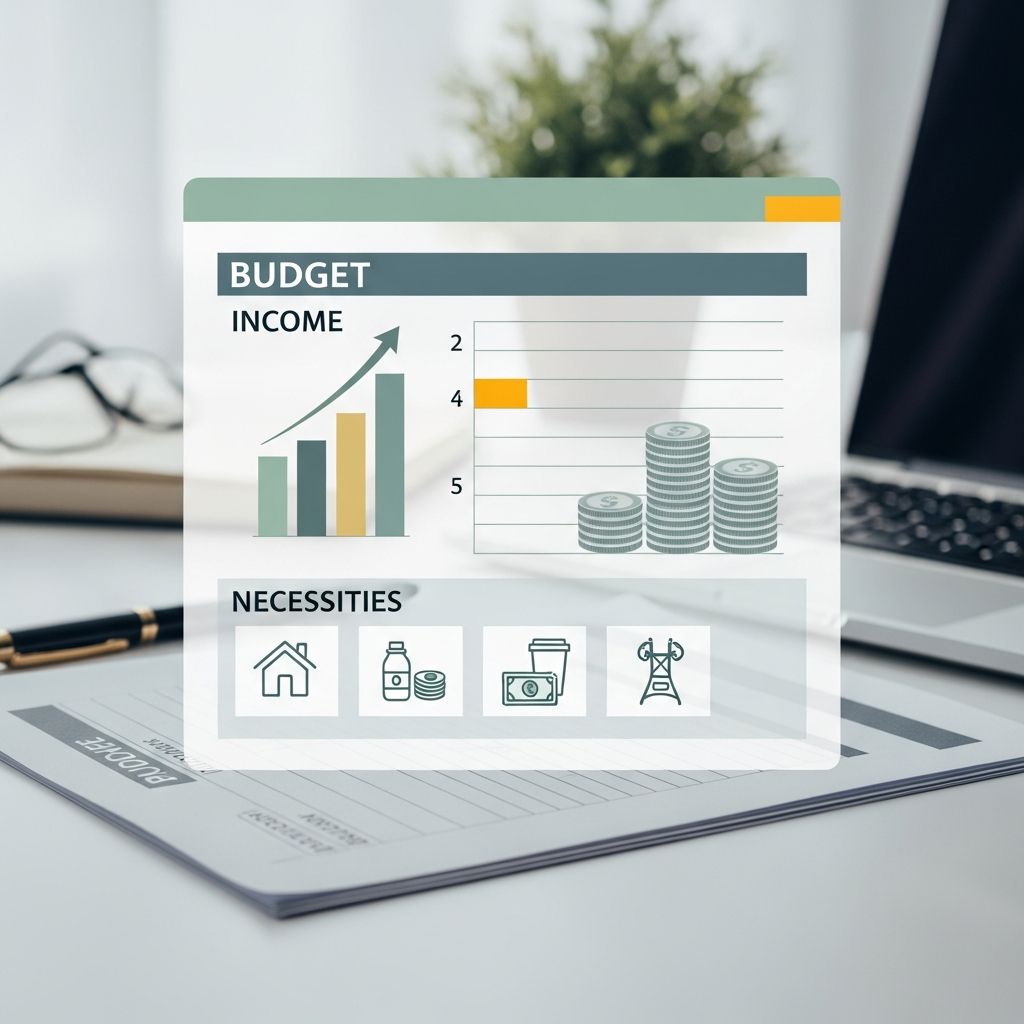
Creating a comprehensive budget worksheet is one of the most effective ways to take control of your financial life. Whether you’re just starting to manage your money or looking to improve your current financial situation, understanding how to track your income and necessities is fundamental to building lasting financial health. A well-designed budget worksheet helps you see exactly where your money is coming from and where it’s going, enabling you to make informed decisions about your spending and savings.
Understanding Your Income
The foundation of any successful budget worksheet begins with accurately calculating your income. Your income represents all the money coming into your household on a regular or irregular basis. This includes wages, salaries, investment returns, government benefits, side hustles, and any other sources of money you receive. Understanding your true take-home income is crucial because this is the actual amount available for spending and saving after taxes and other deductions have been removed.
Calculating Your Take-Home Income
Your take-home income, also called net income, is the amount you receive after taxes, Social Security, Medicare, and other mandatory deductions have been taken out of your paycheck. This is the number you should use when creating your budget worksheet, not your gross income. If you receive a regular paycheck, you can find this amount on your pay stub. Simply look for the line that says “net pay” or “take-home pay.”
For those with variable income or multiple income sources, calculating your average income is essential. The recommended approach is to take your income from the last three months and divide it by three to determine your average monthly income. This method helps smooth out months where you might earn more or less and provides a more realistic picture of what you can reliably budget for each month.
Including All Income Sources
When creating your budget worksheet, don’t forget to include every source of income:
- Primary employment wages
- Secondary employment or side business income
- Pension or retirement account distributions
- Investment income and dividends
- Government benefits and assistance programs
- Rental income or property earnings
- Spousal or child support payments
- Freelance or contract work
Recording all income sources gives you a complete picture of your financial resources and ensures your budget is based on accurate information.
Identifying Your Necessities
After determining your income, the next critical step is identifying and categorizing your necessities. Necessities are the essential expenses you must pay to maintain your basic standard of living and meet your obligations. These are fundamentally different from wants, which are discretionary purchases that enhance your life but aren’t required for survival or meeting obligations.
What Qualifies as a Necessity
Understanding what truly qualifies as a necessity is vital for accurate budgeting. Necessities typically include fixed expenses that remain relatively constant month to month:
- Housing: Rent or mortgage payments, property taxes, homeowners insurance, and maintenance costs
- Utilities: Electricity, gas, water, internet, and phone services
- Food: Groceries and essential food items for household members
- Transportation: Car payments, auto insurance, fuel, public transportation, or maintenance costs
- Insurance: Health insurance, auto insurance, homeowners insurance, and life insurance
- Healthcare: Doctor visits, prescription medications, and medical treatments
- Childcare: Daycare, preschool, or after-school care expenses
- Debt Obligations: Minimum payments on credit cards, student loans, and personal loans
Fixed Versus Variable Necessities
Within your necessities category, it’s helpful to distinguish between fixed and variable expenses. Fixed necessities remain the same amount each month, such as your mortgage payment or car insurance premium. Variable necessities fluctuate but are still essential, such as groceries or utility bills. By tracking both types, you can create a more accurate budget that accounts for the natural variation in your essential expenses.
The 50/30/20 Budget Framework
A popular and effective approach to budgeting involves the 50/30/20 rule, which provides a simple framework for allocating your income. This budgeting methodology suggests dividing your after-tax income into three primary categories: necessities, wants, and savings.
How the 50/30/20 Rule Works
50% for Necessities: Allocate half of your take-home income to your essential expenses. This includes your housing, utilities, groceries, insurance, healthcare, childcare, transportation, and minimum debt payments. By limiting necessities to 50% of your income, you ensure you have room in your budget for both wants and savings.
30% for Wants: Set aside 30% of your income for discretionary purchases and entertainment. Wants are expenses you can eliminate with only minor inconvenience, such as streaming services, dining out, entertainment, hobbies, and non-essential shopping. This category allows you to enjoy life while maintaining financial discipline.
20% for Savings and Debt Repayment: Dedicate 20% of your income to building your financial future. This includes emergency fund contributions, retirement account funding, college savings, and extra payments toward debt reduction. This allocation ensures you’re making progress toward long-term financial goals while maintaining short-term financial security.
Benefits of the 50/30/20 Approach
The 50/30/20 framework offers several advantages for budgeting beginners and experienced budgeters alike. It’s simple to understand and implement, provides clear spending guidelines, and ensures you’re prioritizing both immediate needs and future financial security. The framework helps you live within your means while identifying exactly what your means truly are.
Creating Your Budget Worksheet
Now that you understand income and necessities, let’s explore how to create an effective budget worksheet. Your worksheet should be organized, easy to follow, and include all relevant financial information.
Step 1: Gather Your Financial Documents
Before beginning your budget worksheet, collect all necessary financial information:
- Recent pay stubs to verify take-home income
- Bank statements from the last three to six months
- Credit card statements
- Utility bills and other recurring bills
- Loan statements and debt obligations
- Insurance policies and premium information
- Receipts for variable expenses
Gathering this information ensures your budget is based on accurate historical data rather than estimates.
Step 2: List All Income Sources
In your budget worksheet, create a section dedicated to income. Record each income source separately, including the amount and frequency. If you have multiple paychecks or irregular income, calculate the monthly average. This section should provide a clear, comprehensive view of all money coming in each month.
Step 3: Document All Necessities
Create a detailed list of all your necessary expenses in your budget worksheet. Organize them by category (housing, utilities, food, transportation, insurance, healthcare, childcare, and debt obligations) and record the amount for each item. Be thorough and honest about what you’re actually spending, using your bank statements and bills as reference.
Step 4: Calculate Your Spending Totals
Add up all your income and all your necessities to see where you stand. Compare your total necessities to 50% of your income. If your necessities exceed 50%, identify areas where you might reduce spending or explore ways to increase income.
Step 5: Track and Adjust
Create a system to track your actual spending against your budget worksheet projections. Review your budget regularly—at least monthly—to see if you’re staying on track. If you’re consistently overspending in certain categories, adjust your budget or find ways to reduce those expenses.
Budget Worksheet Template Structure
An effective budget worksheet should include the following components organized in a clear, easy-to-read format:
| Category | Description | Monthly Amount |
|---|---|---|
| Income Section | Primary employment, secondary income, investments, benefits | Enter amounts |
| Necessities (50%) | Housing, utilities, food, transportation, insurance, healthcare, childcare, debt payments | Enter amounts |
| Wants (30%) | Entertainment, dining out, subscriptions, hobbies, shopping | Enter amounts |
| Savings (20%) | Emergency fund, retirement, college savings, extra debt payments | Enter amounts |
| Total | Sum of all categories | Should equal income |
Common Budget Worksheet Challenges
Many people encounter obstacles when creating and maintaining their budget worksheets. Understanding these common challenges helps you overcome them and stay committed to your budgeting goals.
Necessities Exceeding 50%
If your necessities consistently exceed 50% of your income, you have limited options: find ways to reduce necessary expenses, increase your income, or acknowledge that your current financial situation requires adjusting your budget percentages temporarily. In high-cost-of-living areas, necessities might legitimately exceed 50%, requiring a modified budget framework.
Underestimating Variable Expenses
Many people underestimate their variable necessity expenses like groceries and utilities. Review your historical spending for three to six months to get an accurate average rather than guessing. This prevents budget shortfalls later in the month.
Forgetting Irregular Expenses
Budget worksheets should account for expenses that don’t occur monthly but happen regularly, such as annual insurance premiums, car maintenance, holiday gifts, or home repairs. Divide these annual costs by 12 and include them in your monthly budget.
Tips for Budget Worksheet Success
To maximize the effectiveness of your budget worksheet, follow these proven strategies:
- Be Realistic: Use actual historical spending rather than idealized amounts. Your budget must reflect your real financial life to be effective.
- Review Regularly: Check your budget worksheet monthly to compare actual spending against projections and make necessary adjustments.
- Automate Where Possible: Set up automatic bill payments and automatic transfers to savings to ensure necessities and savings goals are prioritized.
- Build in Flexibility: While necessities are fixed, some variation is normal. Allow for seasonal fluctuations and unexpected changes.
- Use Digital Tools: Spreadsheets, budgeting apps, or online budget calculators can automate calculations and make tracking easier.
- Celebrate Small Wins: When you successfully stick to your budget worksheet for a month, celebrate the achievement and use that momentum to continue.
Frequently Asked Questions
Q: What if my income is irregular or seasonal?
A: Calculate your average monthly income by adding up your income from the last three to six months and dividing by the number of months. Use this average for your budget worksheet, then build a larger emergency fund to cover months when income is lower.
Q: Should I include debt payments in my necessities budget?
A: Yes, minimum debt payments should be included as necessities since they are obligations you must meet. However, extra payments toward debt reduction should be categorized as part of your 20% savings allocation.
Q: How often should I update my budget worksheet?
A: Review and update your budget worksheet monthly to compare actual spending against projections. Make adjustments based on actual expenses and any changes in income or life circumstances.
Q: What if my necessities are more than 50% of my income?
A: This is common in high-cost-of-living areas or during financial hardship. Consider using a modified budget framework like 60/30/10, focus on increasing your income, or look for ways to reduce necessary expenses without impacting your quality of life.
Q: Are healthcare costs always necessities in my budget worksheet?
A: Yes, healthcare costs including insurance premiums, doctor visits, and medications are considered necessities. Only include health insurance costs you pay directly; if it comes from your paycheck, it’s already reflected in your take-home income.
Q: Can I use a budget worksheet for both monthly and annual planning?
A: Absolutely. Create a monthly budget worksheet for tracking day-to-day expenses and an annual worksheet to account for seasonal expenses, irregular costs, and longer-term financial goals. Both perspectives together provide comprehensive financial planning.
References
- Six Steps to Balancing Your Budget — Bank of America. 2019-07. https://images.em.bankofamerica.com/HOST-07-19-0101/SHEET-02-19-0574_ADA.pdf
- How to do a budget — MoneySmart Australia. 2025. https://moneysmart.gov.au/budgeting/how-to-do-a-budget
- Free Budget Template and Tips For Getting Started — NerdWallet. 2025. https://www.nerdwallet.com/finance/learn/budget-worksheet
- Budget Planner: how to manage your money — MoneySavingExpert. 2025. https://www.moneysavingexpert.com/banking/budget-planning/
- How to budget money for beginners — Microsoft Excel. 2025. https://excel.cloud.microsoft/create/en/personal-budget-planner/
- Make a Budget – Worksheet — Consumer.gov. 2025. https://consumer.gov/content/make-budget-worksheet
- Free Google Sheets Budget Templates Of 2025 — Tiller. 2025. https://tiller.com/free-google-sheets-budget-templates/
Similar Articles








Read full bio of medha deb