Budget Meal Planning: 7 Smart Steps To Save Money
Master budget meal planning to slash grocery bills, minimize waste, and feed your family nutritious meals without breaking the bank.
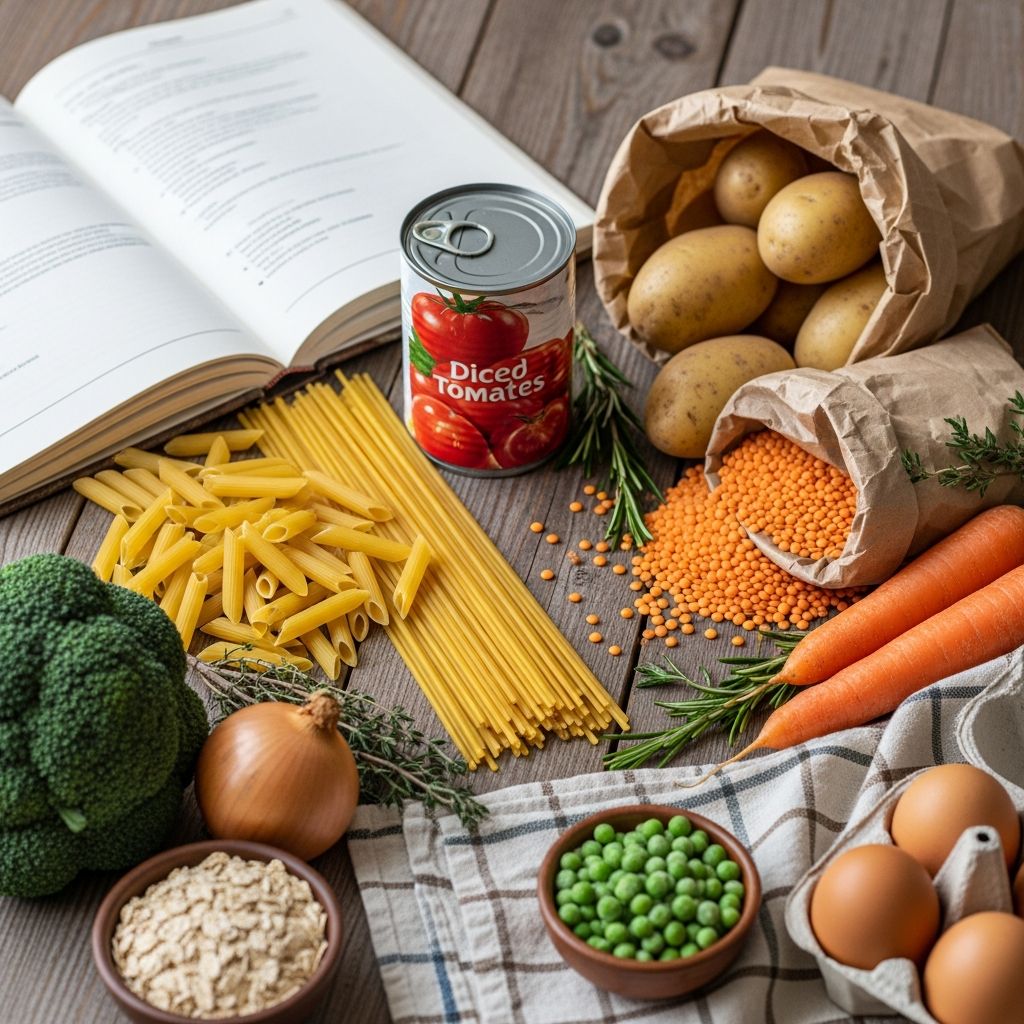
Meal planning on a budget is one of the smartest ways to stretch your grocery dollars while ensuring your family eats well. By organizing your weeks around sales, pantry staples, and simple strategies, you can cut food waste, avoid impulse buys, and potentially save hundreds of dollars each year. This guide covers everything from building weekly menus to batch cooking and smart shopping, drawing on proven tips from nutrition experts and budgeting pros.
Why Budget Meal Planning Works
Without a plan, grocery trips turn into expensive guesswork, leading to forgotten items, overbuying, and reliance on costly takeout. Studies show that planned meals can reduce food costs by up to 30%, as they encourage using what’s on hand and shopping sales efficiently. Families who meal plan report less stress, healthier eating, and fewer last-minute dinners. Key benefits include:
- Cost savings: Focus on affordable staples like grains, seasonal produce, and proteins on sale.
- Less waste: Use leftovers and pantry items before they expire.
- Nutrition boost: Balance meals with veggies, whole grains, and proteins for sustained energy.
- Time efficiency: Batch prep once a week to streamline cooking.
Start small: Dedicate 30 minutes weekly to planning. Check your schedule, family preferences, and store ads to build a realistic menu.
Step-by-Step Guide to Budget Meal Planning
Follow these steps to create a foolproof weekly plan that fits any budget.
Step 1: Inventory Your Pantry, Fridge, and Freezer
Before shopping, assess what you have. Open cabinets, fridge, and freezer to note staples like rice, pasta, canned beans, frozen veggies, and proteins nearing expiration. This prevents duplicates and sparks recipe ideas. For example, use wilting carrots in a soup or leftover rice for fried rice.
- Check expiry dates on dairy, meats, and condiments.
- Make a quick list: Grains (rice, pasta), proteins (beans, eggs), veggies/fruits.
- Prioritize using items first to avoid waste.
Step 2: Check Weekly Sales Ads
Grocery stores release ads highlighting discounts on proteins, produce, and staples. Build your menu around these deals—chicken on sale? Plan stir-fries, salads, and soups. Apps and store flyers make this easy.
- Pros: Cuts costs by 20-50% on featured items; introduces variety.
- Tip: Compare ads from multiple stores; buy in bulk if freezable.
Step 3: Build Your Weekly Menu
Plan 5-7 dinners, plus lunches from leftovers. Include breakfasts and snacks if needed. Aim for balance: half plate veggies/fruits, quarter grains, quarter protein. Theme nights like “Taco Tuesday” add fun.
| Day | Meal Idea | Key Ingredients (On Sale) | Cost Estimate (Family of 4) |
|---|---|---|---|
| Monday | Chicken Stir-Fry | Chicken thighs, frozen veggies, rice | $8 |
| Tuesday | Bean Tacos | Canned beans, tortillas, seasonal tomatoes | $6 |
| Wednesday | Pasta Primavera | Pasta, on-sale broccoli, garlic | $7 |
| Thursday | Leftovers Night | Pantry remix | $0 |
| Friday | Lentil Soup | Lentils, carrots, canned tomatoes | $5 |
Adjust for family size, dietary needs, and events. Plan plant-based meals 2-3 times weekly for extra savings—beans and grains are cheap powerhouses.
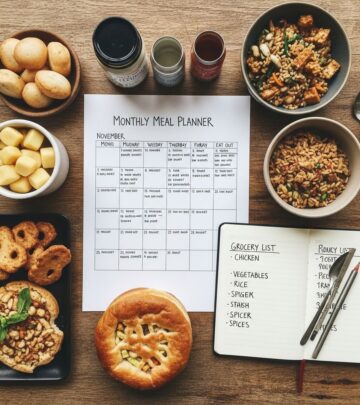
Step 4: Create a Precise Grocery List
From your menu and inventory, list exact quantities. Categorize by store aisle: produce, dairy, meats, pantry. Set a budget cap and stick to it. Prioritize “must-haves” like proteins and veggies over extras.
- Use apps for digital lists; check off as you shop.
- Shop the perimeter first for fresh items, then inner aisles.
- Avoid hunger shopping—eat beforehand.
Step 5: Shop Smart and Seasonal
Opt for local farmers’ markets for in-season produce, which is cheaper and fresher. Stock up on non-perishables like rice during sales. Choose store brands, frozen over fresh for out-of-season items—they’re equally nutritious.
- Buy bulk grains, beans; portion and freeze.
- Use coupons for staples, but only if you need them.
Step 6: Batch Cook and Prep
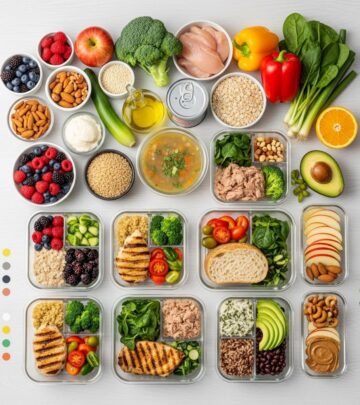
Spend 1-2 hours prepping: Chop veggies, cook grains, portion proteins. Make doubles for freezing or lunches. This saves daily time and curbs takeout temptations.
- Batch ideas: Big pot chili (freeze halves), roasted veggie trays, hard-boiled eggs.
- Invest in reusable containers for meals.
Step 7: Maximize Leftovers
Plan for them: Sunday roast becomes Monday wraps, Wednesday soup. This stretches one shop across the week. Track what works to refine future plans.
Advanced Budget Meal Planning Strategies
Elevate your routine with these expert tactics.
Rotate a Core Set of 10-15 Favorite Meals
Select go-to recipes your family loves, swapping proteins or veggies based on sales. Simplifies planning while keeping variety.
- Example rotation: Tacos (beef/shrimp/chicken), stir-fries, pasta bakes, soups, salads.
Incorporate More Grains and Plant-Based Meals
Rice, pasta, barley, lentils are inexpensive fillers. Swap meat for beans twice weekly to halve protein costs without skimping on nutrition.
Use Meal Prep Cookbooks or Planners
Digital apps or physical planners organize menus, lists, and prep schedules. Cookbooks provide budget recipes tailored to quick or batch cooking.
Factor in Time, Family Size, and Location
Busy weeks? Prioritize 20-minute meals. Larger families scale up batches. High-cost areas emphasize frozen/canned goods.
Sample Weekly Budget Meal Plan for $50 (Family of 4)
Assuming sales on chicken ($1.99/lb), rice ($0.99/lb), canned beans ($0.79).
- Breakfasts: Oatmeal, eggs, fruit ($8 total).
- Lunches: Leftovers, PB&J, yogurt ($10).
- Dinners: As in table above ($25).
- Snacks: Popcorn, apples ($7).
Total under $50, yielding 21 meals. Adjust for inflation or region.
Common Challenges and Solutions
| Challenge | Solution |
|---|---|
| Picky eaters | Involve them in planning; offer choices within budget. |
| No time to cook | Batch on weekends; use slow cookers/Instant Pots. |
| Overspending | Set strict list priorities; leave extras for next shop. |
| Boredom | Rotate themes; try one new recipe weekly from sales. |
Frequently Asked Questions (FAQs)
What if I don’t have time for full meal planning?
Start with 3 dinners; use leftovers and simple staples like eggs or sandwiches for others. Even partial planning saves money.
Are frozen and canned foods healthy on a budget?
Yes, they’re nutritious, affordable, and long-lasting. Choose low-sodium versions.
How do I handle variable schedules?
Plan flexible meals like salads or soups that reheat well; freeze portions for busy nights.
Can meal planning work for special diets?
Absolutely—adapt for vegan, low-carb, etc., by focusing on sales in those categories.
What’s the biggest savings tip?
Shop sales and use leftovers—combining them can cut bills by 25-50%.
Implement these strategies consistently, and budget meal planning becomes second nature. Track your spending monthly to see real progress and tweak as needed.
References
- How Do I Plan Meals? – A Food Budgeting Series — UF/IFAS Blogs. 2025-09-25. https://blogs.ifas.ufl.edu/stlucieco/2025/09/25/how-do-i-plan-meals/
- 10 Tips for Planning Meals on a Budget — Unlock Food (Dietitians of Canada). Accessed 2026. https://www.unlockfood.ca/en/Articles/Budget/10-Tips-for-Planning-Meals-on-a-Budget.aspx
- Meal Planning 101 on a Budget — Skyterra. Accessed 2026. https://skyterraya.com/meal-planning-101-on-a-budget/
- Make a Plan – MyPlate.gov — USDA MyPlate. Accessed 2026. https://www.myplate.gov/eat-healthy/healthy-eating-budget/make-plan
- Meal Planning, Shopping, and Budgeting — USDA SNAP-Ed. Accessed 2026. https://snaped.fns.usda.gov/resources/nutrition-education-materials/meal-planning-shopping-and-budgeting
Similar Articles








Read full bio of medha deb