Budget-Friendly Community Acupuncture: Affordable Wellness
Discover how community acupuncture makes traditional healing accessible and affordable.
What Is Community Acupuncture?
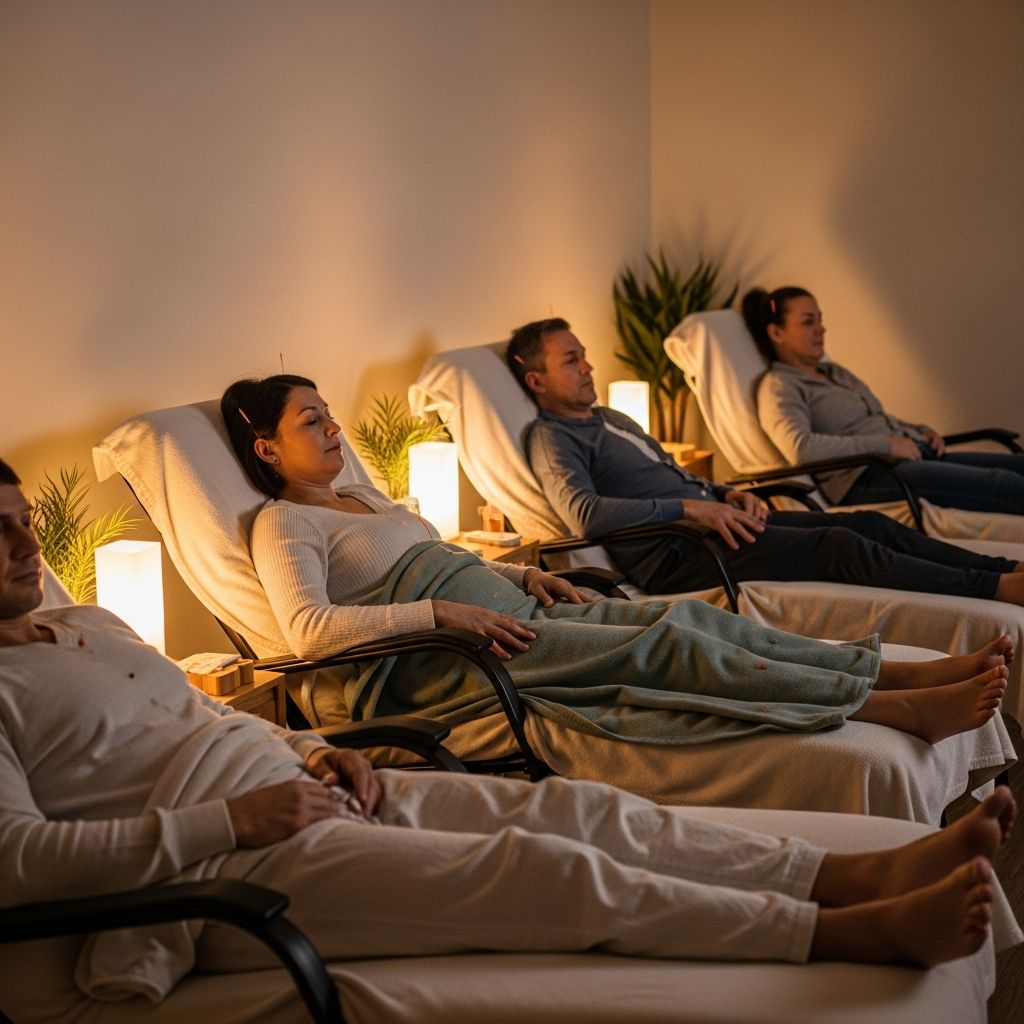
Community acupuncture is a healthcare delivery model designed to make acupuncture treatment accessible to people regardless of income level. Unlike traditional private acupuncture sessions where you receive one-on-one treatment in a private room, community acupuncture treats multiple patients simultaneously in a shared, comfortable group setting with reclining chairs.
The fundamental philosophy behind community acupuncture is democratizing ancient healing practices. While traditional acupuncture sessions typically cost between $70 and $150 per treatment, community acupuncture clinics charge significantly less: between $15 and $50 per session. This dramatic price reduction doesn’t compromise treatment quality; instead, it reimagines the business model to serve more people efficiently.
Community acupuncture clinics typically treat between 6 and 75 patients daily, depending on clinic size and hours of operation. This high-volume model allows practitioners to maintain affordability while covering their operational expenses.
The History and Origins of Community Acupuncture
Community acupuncture emerged from public health acupuncture models used internationally, particularly in countries where acupuncture is part of the traditional medical system. In the United States, some acupuncturists adapted their public health experience into a private, fee-for-service model during the 1990s and 2000s. Pioneers like those at Montavilla Community Acupuncture in Portland recognized that the traditional Western medical model—with its emphasis on private rooms and hourly rates—created unnecessary financial barriers to treatment.
The movement gained momentum as research demonstrated that acupuncture is a cumulative medical modality, meaning treatments are most effective with regular sessions (ideally weekly or biweekly). However, high costs prevented people from accessing the frequent treatments needed for optimal results. Community acupuncture solved this equation by lowering per-session costs, making regular treatment affordable.
How Community Acupuncture Works: The Treatment Experience
A typical community acupuncture session follows a streamlined process designed for efficiency and comfort:
- Patients arrive and remove their shoes and socks
- Sleeves are rolled up and pant legs pushed up to expose arms, legs, and other accessible areas
- A brief intake assessment occurs, often including pulse diagnosis
- Patients recline in comfortable chairs in a shared treatment room
- Acupuncture needles are inserted and left in place for approximately 40 minutes
- Patients rest quietly alongside other patients receiving simultaneous treatment
This group format creates an unexpected benefit: the communal atmosphere provides a sense of shared healing and support. Many patients report that relaxing alongside others receiving the same treatment enhances the therapeutic experience.
Community acupuncture treatments typically focus on acupuncture points on the arms, legs, head, and neck—areas easily accessible without undressing. Despite this focused approach, the model excels at treating diverse conditions from low back pain and migraines to arthritis and fibromyalgia.
Cost Comparison: Traditional vs. Community Acupuncture
| Acupuncture Type | Session Cost Range | Setting | Typical Duration |
|---|---|---|---|
| Private/Traditional | $70–$150 (initial); $50–$100 (follow-up) | Private room, one-on-one | 30–60 minutes |
| Community Acupuncture | $15–$50 (sliding scale available) | Shared group setting | 40–45 minutes |
| High-End Specialized | $175–$400+ | Private room, specialist | 60+ minutes |
| Acupuncture Schools | $20–$50 | Clinic setting, student practitioners | 45–60 minutes |
For patients committing to regular treatment (8 weekly sessions), traditional acupuncture can cost $400–$1,200, while community acupuncture costs $120–$400. This represents savings of 67–75%, making the difference between affording consistent care and skipping treatments due to cost.
Medical Benefits of Community Acupuncture
Research validates the effectiveness of community acupuncture across multiple conditions. A 2024 study with 113 subjects over 24 weeks demonstrated that community acupuncture significantly reduced pain, depression, and arthritis symptoms. Participants received eight weekly treatments followed by biweekly follow-ups, showing measurable improvement across all measured outcomes.
Community acupuncture has demonstrated effectiveness for treating:
- Chronic pain conditions (low back pain, neck pain, arthritis)
- Headaches and migraines
- Fibromyalgia and myofascial pain
- Nausea and digestive issues
- Carpal tunnel syndrome
- Asthma and respiratory conditions
- Depression and stress-related conditions
- Addiction support
- Menstrual cramps and hormonal imbalances
The cumulative nature of acupuncture treatment means results improve with frequency. Patients who can afford regular treatments through community clinics often see better outcomes than those receiving sporadic private treatments due to cost limitations.
Sliding Scale and Payment Options
Most community acupuncture clinics operate on a sliding scale basis, meaning patients pay according to their financial capacity without requiring proof of income. This removes the shame and bureaucratic barriers associated with means-tested services.
Typical sliding scales range from $15–$50 per session, with most clinics operating three-tier systems:
- Low tier ($15–$25): For those with limited income or financial hardship
- Mid tier ($30–$40): For typical working families
- High tier ($45–$50): For those with higher incomes who want to support clinic sustainability
Some clinics also offer donation-based programs where contributions support free treatments for community members in need. For example, some clinics provide one free treatment for every $20 donated, creating a direct mechanism for communal healthcare support.
New patient consultations typically include a one-time consultation fee (ranging from $15–$65) that covers the initial intake and assessment before regular treatment begins.
Geographic Variations in Community Acupuncture Pricing
Community acupuncture costs vary slightly by region, though they remain consistently more affordable than traditional acupuncture nationally:
- Midwest: $75–$125 for traditional acupuncture; community options at $20–$45
- South: $70–$120 for traditional acupuncture; community options at $15–$40
- Oklahoma City: $60–$120 for traditional; community at $20–$45
- Portland, Maine: Community acupuncture at $45 per session
- San Francisco Bay Area: Community sliding scale $25–$50
- Washington D.C. Suburbs: Community group sessions at $25
Even in high-cost regions, community acupuncture remains 50–75% cheaper than private alternatives.
Finding Community Acupuncture Near You
Locating a community acupuncture clinic requires some research, as these clinics operate independently rather than through national chains:
- Search online for “community acupuncture” plus your city name
- Check local acupuncture associations and professional directories
- Ask your primary care doctor for referrals
- Inquire at local health food stores and wellness centers
- Contact Chinese medicine schools, which often offer low-cost clinics
- Check community health centers and federally qualified health centers (FQHCs)
When contacting clinics, ask about their sliding scale policy, new patient fees, scheduling frequency, specific conditions treated, and practitioner credentials.
Insurance and Community Acupuncture
Most community acupuncture clinics operate on a cash-pay basis and do not bill insurance directly. However, patients can sometimes submit receipts to insurance companies for reimbursement if their plans cover acupuncture. Insurance coverage for acupuncture varies significantly by plan and state, with many insurers imposing strict visit limits or requiring prior authorization.
The out-of-pocket cost at community clinics ($15–$50) often falls well below insurance deductibles anyway, making direct payment the most economical option for many patients. Some insurance plans cover acupuncture only when performed by medical doctors or as part of pain management programs, further complicating coverage.
Making the Most of Community Acupuncture Treatment
To maximize benefits from community acupuncture:
- Commit to regular treatment: Weekly sessions for 8 weeks, then biweekly maintenance typically shows optimal results
- Be patient: Cumulative benefits build over time; expect noticeable improvement after 4–6 weeks
- Maintain consistency: Missing appointments interrupts the treatment cycle and slows progress
- Communicate symptoms: Brief your practitioner about symptoms before each session
- Follow post-treatment guidance: Rest after treatment and avoid intense activity the same day
- Stay hydrated: Drink plenty of water following acupuncture sessions
Frequently Asked Questions
Q: Is community acupuncture as effective as private acupuncture?
A: Yes. Research shows community acupuncture produces comparable results to private treatment for pain relief, mood improvement, and symptom management. The main difference is setting and pricing, not clinical effectiveness.
Q: Will I feel uncomfortable being treated in a group setting?
A: Most patients report comfort and even benefit from the group atmosphere. The shared experience creates community, and everyone is focused on relaxation. Patients remain clothed and covered appropriately.
Q: How often should I receive community acupuncture treatments?
A: Ideally, weekly treatments for the first 8 weeks, then biweekly maintenance. However, even less frequent treatment provides some benefit and remains more accessible at community prices.
Q: Are there age restrictions for community acupuncture?
A: Generally no, though treatment for children may require adapted protocols. Contact your local clinic about pediatric services.
Q: What should I wear to community acupuncture?
A: Wear loose, comfortable clothing that allows access to arms and legs (shorts or pants that roll up easily, short sleeves or roll-up sleeves). Remove shoes and socks before treatment.
Q: Is acupuncture covered by Medicare or Medicaid?
A: Medicare covers acupuncture for chronic lower back pain with prior authorization. Medicaid coverage varies by state. Contact your plan directly, though community clinic costs may be lower than insurance copays.
References
- Community Acupuncture: An Effective Model for Accessible Healthcare — Montavilla Community Acupuncture & Milwaukee Community Acupuncture. 2024. https://www.montavilla-acupuncture.com/community-acupuncture/
- Acupuncture Costs Explained — ChiroHer. 2024. https://www.chiroher.com/blog/how-much-does-acupuncture-cost
- How Much Does Acupuncture Cost? Insurance Coverage and Price — GoodRx. 2024. https://www.goodrx.com/well-being/alternative-treatments/how-much-does-acupuncture-cost
- How Does Community Acupuncture Work and What Are the Benefits? — Waterhouse Wellness. 2024. https://waterhousewellness.com/articles/how-does-community-acupuncture-work-and-what-are-the-benefits
- Benefits of Community Acupuncture — Source Family Health. 2024. https://source.family/post-436/
Similar Articles








Read full bio of medha deb