Budget: Definition, Types, and Importance in Finance
Comprehensive guide to budgeting: Master personal and business budgets for financial success.

What is a Budget?
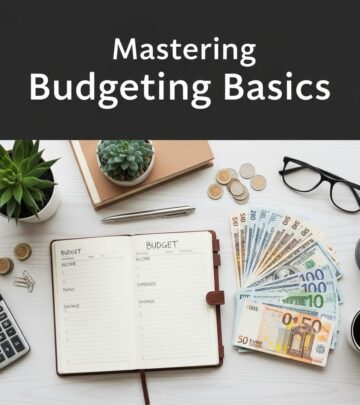
A budget is a comprehensive financial plan that outlines expected income and anticipated expenses over a specific period, typically spanning one month to one year. It serves as a roadmap for managing money effectively, helping individuals and organizations allocate resources wisely and monitor spending patterns. The primary purpose of a budget is to ensure that spending does not exceed available income, thereby promoting financial stability and preventing debt accumulation.
Budgeting is a fundamental financial management tool that enables users to track where their money comes from and where it goes. By creating a detailed budget, individuals gain visibility into their financial situation and can make informed decisions about their spending habits and savings goals. Budgets are not restrictive; rather, they are empowering tools that provide clarity and control over personal or organizational finances.
Key Components of a Budget
Every budget consists of several essential elements that work together to create a comprehensive financial overview:
- Income: All money coming in from employment, investments, business ventures, or other sources
- Fixed Expenses: Regular monthly obligations like rent, mortgage, insurance, and loan payments
- Variable Expenses: Costs that fluctuate monthly such as groceries, utilities, dining out, and entertainment
- Savings: Funds allocated for emergency reserves, retirement, or future investments
- Debt Repayment: Payments toward credit cards, student loans, and other liabilities
- Discretionary Spending: Optional expenses like hobbies, subscriptions, and luxury items
Types of Budgets
Personal Budget
A personal budget is created by individuals to manage their household finances. It tracks income from employment and other sources against personal expenses including housing, food, transportation, and entertainment. Personal budgets help individuals achieve financial goals, reduce unnecessary spending, and build emergency funds. This type of budget is flexible and can be adjusted based on life changes such as job loss, marriage, or major purchases.
Corporate Budget
Corporations use budgets to plan departmental spending, capital investments, and operational costs. A corporate budget allocates financial resources across different departments and projects, ensuring that the organization operates efficiently and profitably. These budgets are typically created annually and reviewed quarterly to assess performance against projections.
Government Budget
Government budgets outline how public funds will be collected through taxes and allocated to various programs, infrastructure, defense, and social services. These budgets are crucial for economic management and reflect national priorities and spending policies.
Flexible Budget
A flexible budget adjusts expenses based on actual activity levels or revenue performance. This type of budget is particularly useful for businesses with variable revenues or seasonal fluctuations, as it provides a more realistic financial picture than static budgets.
Fixed Budget
A fixed budget remains unchanged regardless of actual performance or activity levels. It is most appropriate for organizations with predictable revenues and stable operational costs.
Budgeting Methods and Approaches
Zero-Based Budgeting
Zero-based budgeting requires that every dollar be allocated to a specific purpose before the budgeting period begins. The difference between income and allocations must equal zero. This method ensures intentional spending and eliminates wasteful expenditures. It requires detailed tracking and planning but promotes financial discipline.
50/30/20 Rule
This popular budgeting approach allocates income as follows: 50% for needs, 30% for wants, and 20% for savings and debt repayment. This straightforward method provides a simple framework for budget allocation without requiring extensive detailed tracking.
Envelope Budgeting
The envelope method involves dividing cash into envelopes designated for different spending categories. Once an envelope is empty, spending in that category stops until the next budgeting period. While traditional envelope budgeting uses physical cash, modern digital versions use apps to simulate this method.
Incremental Budgeting
This method bases the current budget on the previous period’s actual spending, adjusting for inflation or anticipated changes. It is relatively simple to implement but may perpetuate inefficient spending patterns from prior periods.
Activity-Based Budgeting
Activity-based budgeting ties expenses directly to activities that drive costs. This method is particularly effective for businesses seeking to understand cost drivers and optimize resource allocation based on actual operational needs.
Why Budgeting is Important
Financial Control and Planning
Budgets provide individuals and organizations with control over their finances by establishing clear spending limits and financial priorities. By tracking income and expenses systematically, budgets enable better decision-making regarding resource allocation.
Goal Achievement
Whether saving for a vacation, down payment, or retirement, budgets facilitate goal achievement by designating specific funds for targeted objectives. This structured approach increases the likelihood of reaching financial milestones.
Debt Management
Budgets help identify opportunities to reduce debt by allocating funds toward debt repayment strategically. By tracking expenses and finding areas to cut, individuals can redirect additional funds toward eliminating liabilities.
Emergency Preparedness
A well-structured budget includes an emergency fund, which provides financial security during unexpected events such as job loss or medical emergencies. This cushion prevents individuals from accumulating high-interest debt during crises.
Building Wealth
By ensuring that spending remains below income and directing surplus funds toward investments and savings, budgets create pathways to wealth accumulation over time. Consistent saving habits established through budgeting compound into significant financial growth.
How to Create an Effective Budget
Step 1: Calculate Your Income
Determine all sources of income including salary, bonuses, investment returns, and any side income. For irregular income, use average monthly amounts from the past year to create realistic projections.
Step 2: List Fixed Expenses
Document all recurring monthly obligations such as mortgage or rent, insurance premiums, loan payments, and utility bills. These expenses typically remain consistent month to month.
Step 3: Estimate Variable Expenses
Review past spending to estimate variable costs like groceries, gas, dining out, and entertainment. Look at bank and credit card statements from recent months to identify realistic spending patterns.
Step 4: Categorize and Allocate
Organize expenses into categories and assign specific amounts to each based on needs and priorities. Ensure that total expenses do not exceed income.
Step 5: Track and Review
Monitor actual spending against budgeted amounts regularly. Most experts recommend weekly or monthly reviews to identify variances and adjust the budget as needed.
Step 6: Make Adjustments
Budgets should be flexible and evolve with changing circumstances. Regularly revise allocations based on life changes, income adjustments, or shifting priorities.
Common Budgeting Challenges
- Underestimating Expenses: Many people miscalculate spending, leading to budget shortfalls and frustration
- Irregular Income: Freelancers and commission-based workers struggle with variable monthly income
- Unexpected Expenses: Unforeseen costs can derail even well-planned budgets
- Lifestyle Inflation: As income increases, spending often increases proportionally, limiting savings growth
- Lack of Discipline: Maintaining budget compliance requires consistent effort and self-control
- Insufficient Emergency Fund: Without proper reserves, unexpected events force people off budget
Budgeting Tools and Technology
Modern budgeting has been revolutionized by technology. Numerous applications and software solutions simplify budget creation and tracking:
| Tool/Platform | Key Features | Best For |
|---|---|---|
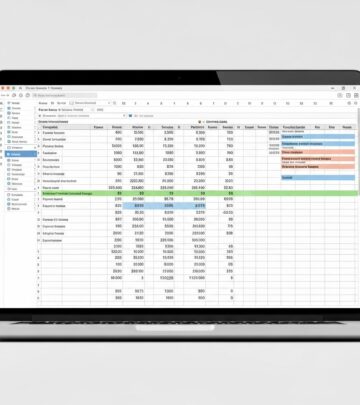
| Spreadsheets (Excel/Google Sheets) | Customizable, free, detailed tracking | Detail-oriented individuals |
| Budgeting Apps (Mint, YNAB, EveryDollar) | Automated tracking, real-time notifications, categorization | Mobile users, automatic tracking |
| Personal Finance Software (Quicken, QuickBooks) | Comprehensive financial management, investment tracking | Complex financial situations |
| Bank Portals | Built-in tracking, account monitoring | Basic budget monitoring |
Budget vs. Forecast vs. Projection
While often used interchangeably, these financial planning tools have distinct purposes:
- Budget: A detailed plan for expected income and expenses over a specific period
- Forecast: A projection of future financial performance based on historical data and market analysis
- Projection: An estimate of future financial results without the detail or commitment level of a budget
Frequently Asked Questions
Q: How much money should I keep in an emergency fund?
A: Financial experts typically recommend maintaining three to six months of living expenses in an easily accessible emergency fund. This ensures you can cover unexpected costs without accumulating debt or disrupting your regular budget.
Q: Can I have multiple budgets?
A: Yes, many individuals benefit from creating separate budgets for different purposes, such as personal expenses, business operations, or specific projects. This approach provides detailed visibility into each financial area.
Q: How often should I review my budget?
A: Most financial advisors recommend reviewing your budget at least monthly to track progress and identify variances. Quarterly reviews provide longer-term perspective, while life changes warrant immediate adjustments.
Q: What is the best budgeting method?
A: The best budgeting method depends on your personal preferences, income stability, and financial goals. Some prefer the simplicity of the 50/30/20 rule, while others benefit from detailed zero-based budgeting. Experiment to find the approach that works best for your situation.
Q: How do I stick to my budget?
A: Success requires tracking expenses regularly, setting realistic targets, using automated tools, and reviewing progress frequently. Building gradually increasing savings goals and celebrating milestones also helps maintain motivation.
Q: Should I budget for discretionary spending?
A: Yes, allocating funds for entertainment, hobbies, and non-essential items makes budgets more sustainable. Complete deprivation often leads to budget abandonment. The key is setting reasonable limits on discretionary spending.
References
- Personal Budgeting Guide — U.S. Federal Reserve System. 2024. https://www.federalreserve.gov/consumersresources/frmoneysmart.htm
- Budget and Financial Planning Best Practices — U.S. Bureau of Labor Statistics. 2024. https://www.bls.gov/
- The Psychology of Money: Behavioral Economics and Budgeting — American Psychological Association. 2023. https://www.apa.org/
- Corporate Budgeting and Financial Management Standards — Financial Accounting Standards Board (FASB). 2024. https://www.fasb.org/
- Zero-Based Budgeting Implementation Guide — Society of American Business Editors and Writers. 2023. https://sabew.org/
Similar Articles








Read full bio of Sneha Tete