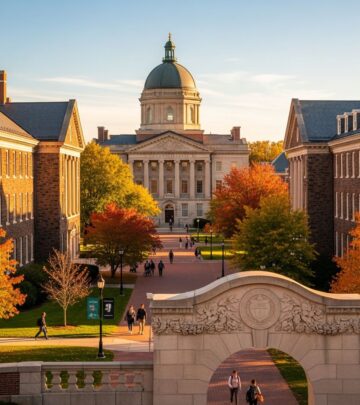
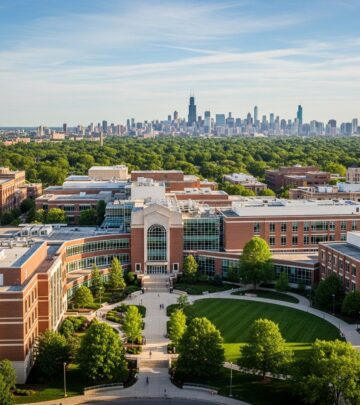
Bucknell University: Liberal Arts Excellence & Professional Programs
Discover Bucknell University: A premier liberal arts institution combining rigorous academics with transformative learning experiences.
Bucknell University: Comprehensive College Profile
Bucknell University stands as a premier private liberal arts institution located in Lewisburg, Pennsylvania, distinguished by its unique combination of rigorous liberal arts education with professional training opportunities. Founded in 1846 as the University at Lewisburg, Bucknell has evolved into a comprehensive academic community that distinguishes itself among peer institutions through its innovative three-college structure, exceptional faculty engagement, and commitment to transformative learning experiences.
The university’s mission extends beyond traditional classroom instruction, emphasizing the integration of academic excellence with meaningful beyond-the-classroom experiences that prepare students to become leaders, innovators, and informed global citizens. With a student body of approximately 3,950 undergraduates and thirty graduate students, Bucknell maintains an intimate learning environment while offering the academic breadth typically found at larger research universities.
Academic Structure and Programs
Bucknell University’s distinctive academic organization centers on three colleges, each providing specialized expertise while maintaining connections through interdisciplinary initiatives. This structure enables students to pursue personalized educational pathways that combine depth in their chosen disciplines with breadth across multiple fields of study.
College of Arts and Sciences
The College of Arts and Sciences anchors Bucknell in the liberal arts tradition, representing the largest academic division with 66 percent of the student body. The college comprises three primary divisions: arts and humanities, social sciences, and natural sciences and mathematics. With 275 faculty members distributed across 34 departments, the college offers 50 majors and emphasizes intellectual community, transformative education for the common good, and mentorship that encourages examined lives. The college’s approach prioritizes leading-edge research and scholarship while maintaining the values essential to liberal arts education.
Freeman College of Management
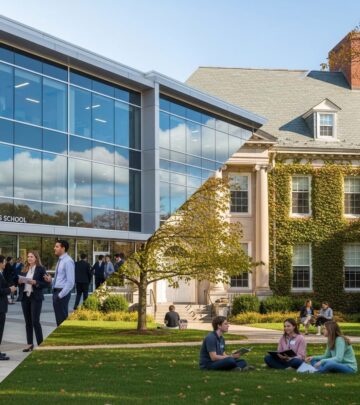
Added in 2017, the Freeman College of Management represents Bucknell’s commitment to professional preparation within a liberal arts context. The college provides business education grounded in liberal arts principles, enabling students to understand commerce, finance, and management within broader social, ethical, and intellectual frameworks. This integration distinguishes Bucknell from purely professional business schools, offering students the dual advantages of career preparation and comprehensive liberal education.
College of Engineering
Bucknell’s engineering programs have long been recognized as among the nation’s strongest undergraduate engineering offerings where a doctorate is not awarded. The college combines rigorous technical training with liberal arts education, ensuring that engineering graduates develop both technical competence and broader perspectives necessary for addressing complex global challenges. Approximately 25 percent of Bucknell students choose to double major, demonstrating the college’s ability to integrate engineering disciplines with other fields of study.
Key Academic Statistics and Metrics
| Metric | Value |
|---|---|
| Total Faculty | 360+ |
| Average Class Size | 20 students |
| Student-Faculty Ratio | 9:1 |
| Classes Taught by Faculty | 100% |
| Academic Majors | 66 |
| Academic Minors | 70 |
| Worldwide Alumni | 56,000+ |
| Undergraduate Enrollment | 3,950 |
These metrics reflect Bucknell’s commitment to personalized education and direct faculty engagement. The 9:1 student-faculty ratio and average class size of 20 students ensure that undergraduates receive meaningful interaction with faculty members who actively shape their intellectual development. The fact that 100 percent of classes are taught by faculty rather than graduate assistants demonstrates the university’s prioritization of undergraduate instruction.
Rankings and Recognition
Bucknell University consistently ranks among the nation’s top liberal arts colleges according to multiple authoritative sources. The university’s strong performance reflects its academic quality, faculty excellence, and student outcomes. These rankings acknowledge Bucknell’s distinctive position as an institution that successfully combines liberal arts rigor with professional program excellence.
The university’s engineering programs, in particular, receive recognition as among the finest undergraduate engineering offerings in the nation. Similarly, Bucknell’s business programs rank highly in national assessments of undergraduate business education. Beyond specific program rankings, Bucknell’s overall standing among liberal arts colleges reflects the institutional commitment to academic excellence across all disciplines and the transformative experiences that characterize Bucknell education.
The Plan for Bucknell 2025: Strategic Vision
Endorsed by the faculty and approved by the Board of Trustees in 2019, The Plan for Bucknell 2025 represents the university’s comprehensive roadmap for building a thriving, inclusive, and sustainable future. This strategic framework addresses the evolving landscape of higher education while building upon Bucknell’s institutional strengths and competitive advantages.
Four Strategic Commitments
The Plan for Bucknell 2025 organizes institutional priorities around four overarching strategic commitments, each refined into specific priorities and initiatives with measurable timelines and outcomes.
Academic Excellence and Transformative Learning: Bucknell commits to identifying and strengthening academic programs that contribute to transformative learning experiences. The university continues developing programs that bridge disciplines, leveraging connections between departments and colleges while maintaining the independent disciplinary strengths that form the institution’s foundation. This commitment includes implementing exemplary academic advising, broad-based mentoring, and student-centered policies that support achievement and development.
Equity, Inclusion, and Community: The institution fosters a campus environment that recognizes the impact of power and privilege while addressing historical and emerging barriers to equity and inclusion. Bucknell builds comprehensive support systems for underrepresented students, faculty, and staff while providing all community members with structures and programs necessary to thrive in a diverse world.
Intellectual Aspiration and Engagement: The university generates, promotes, and sustains a culture of intellectual aspiration. Strategic initiatives emphasize academic and cultural engagement throughout the student experience while preparing students for informed citizenship from local to global scales. The university implements leadership development programs and intentional learning opportunities that leverage Bucknell’s distinctive location in the Susquehanna River Valley.
Financial Sustainability and Access: Recognizing that educational access depends on financial support, Bucknell commits to expanding financial aid. By fall 2025, the university increased its discount rate to at least 35 percent, reflecting an enhanced commitment to need-based aid and ensuring that talented students from all socioeconomic backgrounds can access a Bucknell education.
Recent Achievements and Progress
Bucknell has achieved remarkable milestones through implementation of its strategic plan. Most notably, the university exceeded its ambitious goal of 95 percent student retention, achieving a 96.5 percent retention rate—the highest in the institution’s history and an enviable record compared to peer institutions. This achievement reflects coordinated progress across multiple strategic priorities, including a more supportive academic experience and a more inclusive campus environment.
The university expanded to its three-college structure, enabling enriched academic experiences by capitalizing on interdisciplinary capabilities not widely available at peer liberal arts institutions. Bucknell has also invested substantially in campus infrastructure, constructing well over a dozen new structures serving academic, residential, co-curricular, and athletics needs. These investments include modernized research facilities, laboratories, and lecture halls that enhance both the learning environment and the quality of student experiences.
Interdisciplinary Excellence and Innovation Centers
Bucknell has emerged as a leader in interdisciplinary education, establishing specialized centers that facilitate learning across traditional academic boundaries. The Dominguez Center for Data Science prepares students to solve global issues in an increasingly digital world. The Perricelli-Gegnas Center for Entrepreneurship & Innovation provides experiential learning opportunities and teaches strategies for navigating complex problems. These centers complement the established Humanities Center, the Center for Social Science Research, the Bucknell Center for Sustainability & the Environment, and numerous academic programs that provide students with exceptional opportunities not commonly available at peer institutions.
Campus and Student Life
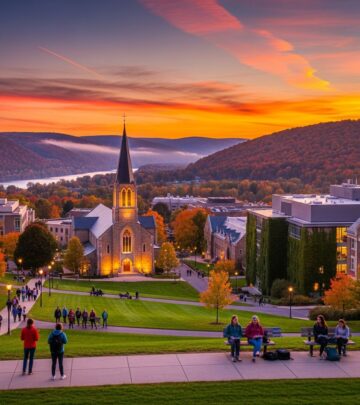
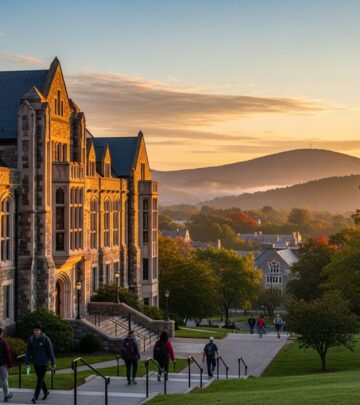
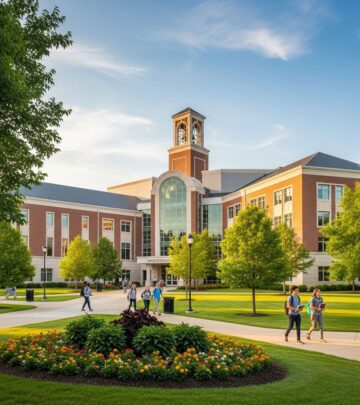
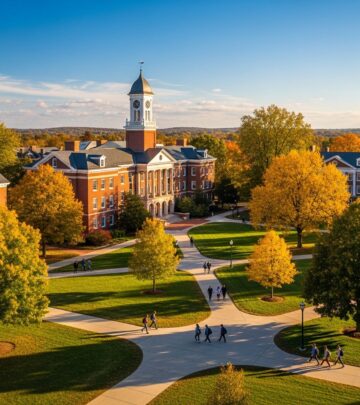
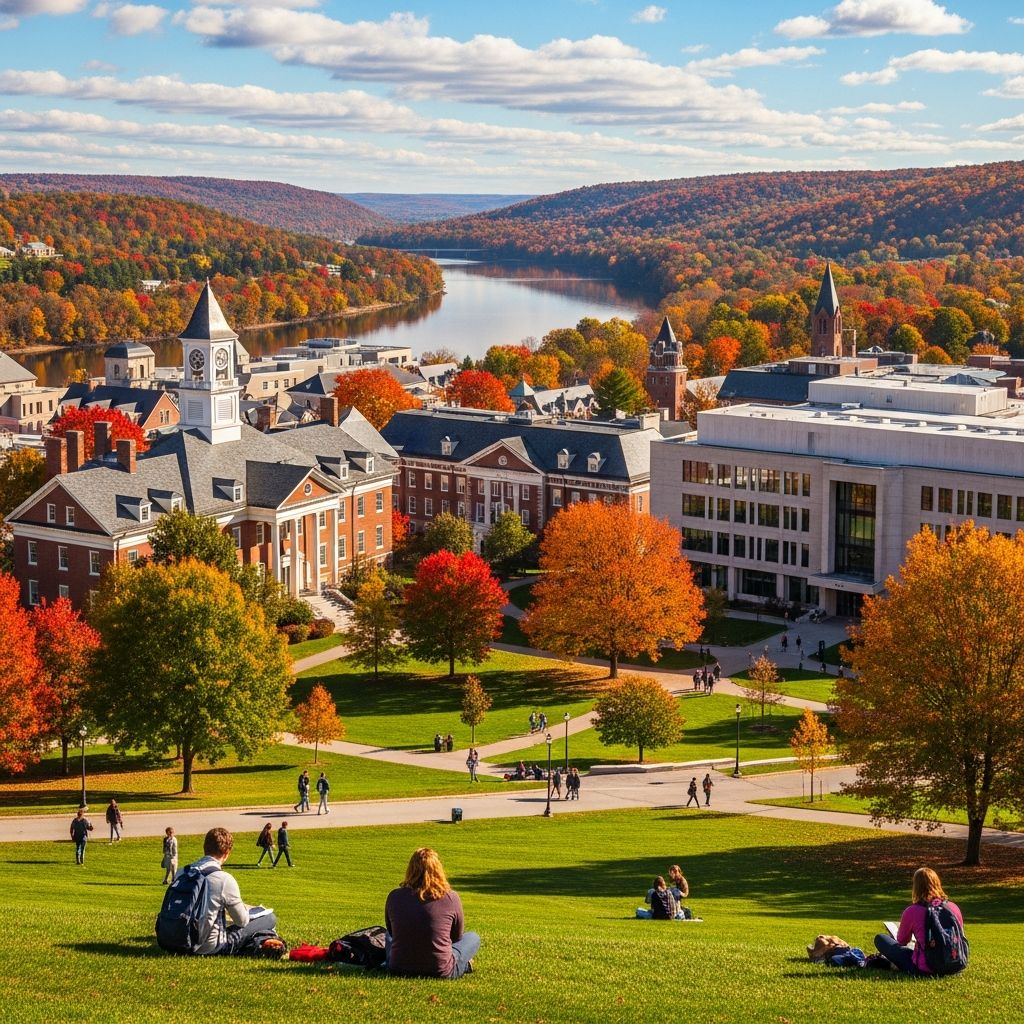
Bucknell’s 445-acre campus in Lewisburg, Pennsylvania provides a distinctive setting that fosters intellectual community and meaningful personal development. The campus, situated above the West Branch of the Susquehanna River, offers natural beauty and a vibrant college town environment. The university prioritizes residential learning experiences through residential colleges, affinity housing, and faculty-in-residence programs that extend learning beyond the classroom.
The university has implemented comprehensive programming and policy changes to align Greek-letter organizations with institutional values, particularly regarding the residential experience. A reimagined first-year experience begins upon a student’s acceptance of admission, helping students transition into the Bucknell community and begin building connections with peers and faculty.
Beyond academics, Bucknell maintains a robust co-curricular program supporting NCAA Division III athletics, performing arts, student clubs, and leadership development. These experiences complement classroom instruction in developing well-rounded graduates prepared for personal and professional success.
Future Vision and Aspirations
Looking forward, Bucknell’s leadership has articulated an ambitious vision for 2032: “By 2032, every single Bucknell student will be able to take classes in any discipline, designing a personalized education that empowers them to thrive personally and professionally and as leaders in society.” This vision builds on existing successes in interdisciplinary education and represents the university’s commitment to student agency in educational planning.
The university recognizes that while missions evolve slowly and carefully, vision must be reconsidered deeply within changing contexts and circumstances. Bucknell’s 2032 vision reflects an educational landscape transformed by technological innovation, evolving career requirements, and changing societal needs. The institution’s strategic focus on interdisciplinary excellence, personalized education, and leadership development positions Bucknell to set new standards of achievement and excellence for itself and others in higher education.
Frequently Asked Questions
Q: What makes Bucknell University’s three-college structure unique?
A: Bucknell’s three colleges—Arts & Sciences, Engineering, and Freeman College of Management—combine the strengths of liberal arts education with professional preparation. This structure enables students to pursue interdisciplinary studies while maintaining depth in their chosen disciplines, offering capabilities not widely available at peer institutions.
Q: How does Bucknell support student success and retention?
A: Bucknell implements exemplary academic advising, broad-based mentoring, and student-centered policies. The university achieved a 96.5 percent retention rate through coordinated efforts creating a more supportive academic experience and inclusive campus environment.
Q: What opportunities exist for interdisciplinary learning?
A: Bucknell offers numerous interdisciplinary programs and specialized centers, including the Dominguez Center for Data Science, the Perricelli-Gegnas Center for Entrepreneurship & Innovation, and the Bucknell Center for Sustainability & the Environment, enabling students to integrate learning across traditional academic boundaries.
Q: How accessible is a Bucknell education financially?
A: By fall 2025, Bucknell increased its discount rate to at least 35 percent, reflecting enhanced need-based aid. This commitment ensures that talented students from all socioeconomic backgrounds can access a Bucknell education.
Q: What is the typical class size at Bucknell?
A: Bucknell maintains an average class size of 20 students with a 9:1 student-faculty ratio, ensuring personalized attention and meaningful interaction with faculty who teach 100 percent of classes.
Q: How does Bucknell prepare students for global engagement and citizenship?
A: The university implements leadership development programs and intentional, structured learning opportunities that prepare students for informed citizenship from local to global scales, leveraging Bucknell’s distinctive location in the Susquehanna River Valley region.
References
- The Plan for Bucknell 2025: A Thriving, Inclusive and Sustainable Future — Bucknell University. 2019. https://www.bucknell.edu/meet-bucknell/bucknell-leadership/plan-bucknell-2025
- Meet Bucknell University — Bucknell University. 2025. https://www.bucknell.edu/meet-bucknell-university
- Feb. 19, 2025: University Address — Bucknell University. 2025-02-19. https://www.bucknell.edu/feb-19-2025-university-address
- Bucknell University — Carnegie Classification of Institutions of Higher Education. 2025. https://carnegieclassifications.acenet.edu/institution/bucknell-university/
- Nov. 10, 2025: University Address — Bucknell University. 2025-11-10. https://www.bucknell.edu/nov-10-2025-university-address
Similar Articles








Read full bio of Sneha Tete