How to Use Bucket Budgeting to Overhaul Your Finances
Master bucket budgeting to take control of your money and achieve your financial goals systematically.

Traditional budgeting methods can feel overwhelming and restrictive, leaving many people struggling to maintain consistent financial discipline. If you’ve ever wondered why your money disappears each month despite your best efforts, bucket budgeting might be the solution you need. This modern approach to personal finance transforms how you think about money by organizing your savings into targeted accounts, each dedicated to a specific purpose. Unlike the outdated envelope system where you physically stuffed cash into labeled envelopes, bucket budgeting leverages today’s banking technology to create a flexible, transparent, and effective financial management system.
Whether you’re dealing with unexpected car repairs, annual insurance bills, or dreams of an exotic vacation, bucket budgeting helps you prepare financially for life’s various expenses. By understanding and implementing this strategy, you can finally feel in control of your money, eliminate financial stress, and work toward your personal and financial goals with confidence.
Understanding Bucket Budgeting: The Modern Evolution of Envelope Budgeting
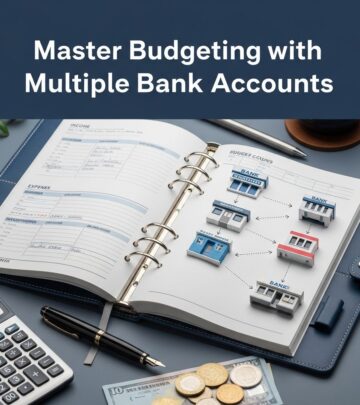
Bucket budgeting is fundamentally similar to the traditional envelope budgeting system, but with a modern twist that takes advantage of banking technology. In the classic envelope method, you would allocate cash into physical envelopes labeled for specific purposes. For example, if you budgeted $400 monthly for groceries, you’d place $400 in a “groceries” envelope and only spend that designated money at the supermarket. With bucket budgeting, instead of managing physical cash, you establish separate savings accounts within your bank for different savings goals and purposes.
The beauty of bucket budgeting lies in its simplicity and psychological impact. When all your money sits in a single account, it becomes difficult to track whether you’re making wise financial decisions. Money disappears without a clear sense of purpose, and overspending becomes tempting simply because funds are available. Bucket budgeting solves this problem by creating clear boundaries and visual accountability for each financial goal.
A Practical Example: How Bucket Budgeting Works
Consider a scenario where you’ve spent the past year dipping into savings for various expenses: a car repair, home water main damage, summer camp fees, and an anniversary trip. While each expense may have been justified, it’s difficult to assess whether you’re making sound financial decisions when everything comes from one account. With bucket budgeting, you would create separate sub-accounts, each serving a specific purpose:
- Emergency Fund: $1,000
- Car Repairs: $500
- Home Repairs: $500
- Kids’ Camp Fees: $650
- Anniversary Trip: $350
This structure provides multiple benefits. First, you immediately see how much is available for each goal, making it easier to adjust expectations. For instance, realizing that your anniversary trip budget is only $350 might prompt you to plan a weekend at a local bed-and-breakfast instead of an expensive week in Mexico. Second, the psychological effect of seeing designated funds encourages responsible spending because each bucket represents a conscious priority.
The Four Types of Bucket Categories
Effective bucket budgeting requires organizing your financial goals into four primary categories. Understanding each category helps you determine which savings goals deserve their own bucket and how to fund them appropriately.
Emergency Expenses
Emergency expenses are urgent, unpredictable costs that catch you off guard. These include car repairs, home repairs, medical emergencies, and dental work. While you might initially think one emergency fund covers all these needs, creating separate buckets for different types of emergencies offers significant advantages. When multiple emergencies strike simultaneously—a car repair, broken window, and root canal in the same month—having dedicated buckets for each ensures you maintain a financial cushion for additional unexpected costs.
Financial experts recommend maintaining at least $1,000 in a base emergency fund while creating additional sub-buckets for specific emergency categories. This approach prevents one large emergency from depleting your entire emergency reserves.
Irregular Expenses
Unlike emergency expenses, irregular expenses are predictable but don’t occur monthly. These include annual car insurance premiums, biannual dental cleanings, quarterly tax payments, annual membership dues, and property taxes. Many people are caught off guard by these expenses because they fall outside regular monthly budgeting, leading to scrambling when bills arrive.
Bucket budgeting addresses this challenge by having you set aside funds monthly for these anticipated but infrequent expenses. To determine how much to allocate, review your expenses from the past few years, calculate your annual spending for each category, divide by 12, and set up automatic monthly transfers to designated accounts. When the irregular expense comes due, the money is already waiting.
Big-Ticket Items
Big-ticket items are expensive purchases with limited lifespans that you use daily. Your car, laptop, and smartphone fall into this category. Rather than facing a financial crisis when these items break or become obsolete, bucket budgeting lets you prepare systematically by setting aside money each month.
For vehicles, once you’ve paid off your current car, redirect your car payment amount to a “new car” bucket. For electronics like laptops and phones, calculate the replacement cost, divide by 24 months, and transfer that amount monthly. This two-year timeline ensures you’ll have sufficient funds for replacement while hopefully avoiding the need altogether.
Dreams and Goals
Dreams represent personal aspirations and life experiences you want to achieve: vacations, home renovations, hobby equipment, or educational pursuits. While essential expenses and emergency funds take priority, bucket budgeting ensures that after funding necessities and irregular expenses, any remaining money moves toward your personal goals and dreams. This structure prevents dreams from being perpetually delayed and keeps you motivated about your financial future.
Setting Up Your Bucket Budgeting System
Implementing bucket budgeting requires practical steps and banking setup. The process begins with understanding your financial situation and establishing the right account structure.
The Two-Account Foundation
One effective bucket budgeting approach uses two main checking accounts: a “fill bucket” and a “spend bucket.” Your paycheck deposits go into the fill bucket, while your spend bucket covers monthly expenses. The goal is to reach a point where you’re a month ahead financially—meaning by month’s end, you have all money needed for the following month’s bills already saved in your spend bucket.
This system creates psychological and practical benefits. Once you’ve achieved this month-ahead status, every dollar you earn today supports next month’s expenses, not today’s spending. This shift fundamentally changes your relationship with money and reduces financial stress.
Calculating Your Monthly Needs
To determine how much to transfer to your spend bucket, calculate your true monthly expenses. Include regular bills, groceries, insurance, utilities, and discretionary spending. For example, if your household spends $4,520 monthly across all categories, that’s your target transfer amount once your fill bucket reaches that threshold.
Automating Transfers
Once you’ve accumulated one month’s worth of expenses in your fill bucket, set up automatic transfers to your spend bucket. Most banks allow you to schedule recurring transfers at specific amounts and frequencies. Automation eliminates the need to remember manual transfers and ensures consistency.
If your fill bucket exceeds your monthly needs, the surplus goes toward dedicated savings buckets for emergencies, irregular expenses, big-ticket items, or dreams. This systematic approach ensures every dollar serves a purpose.
Calculating What Goes Into Each Bucket
Proper allocation is crucial for bucket budgeting success. For emergency and irregular expense buckets, review your spending history from the past two to three years. Calculate annual expenses for each category, divide by 12, and establish automatic monthly transfers to those specific accounts.
For big-ticket replacement items, determine the cost of a replacement and set an appropriate timeline. Divide the total cost by months available until replacement is likely needed. For a laptop costing $1,000 with a two-year replacement timeline, you’d transfer approximately $42 monthly. This approach transforms large future expenses into manageable monthly amounts.
For dream goals, establish specific targets and timelines. If you want $1,200 by Christmas for holiday gifts, determine how many months remain and divide accordingly. This creates accountability and motivation toward personal aspirations.
The Psychological Benefits of Bucket Budgeting
Beyond organizational benefits, bucket budgeting addresses psychological aspects of money management. Seeing designated funds for each purpose creates accountability and makes spending decisions more conscious. When you realize your anniversary trip budget is limited, you naturally adjust expectations rather than overspending and derailing other financial goals.
The system also reduces financial anxiety. Instead of wondering whether you have money for upcoming expenses, you know exactly what’s available for each purpose. This clarity eliminates the surprise and stress of unexpected bills.
Additionally, bucket budgeting makes goals feel achievable. Rather than saving for vague aspirations, you watch dedicated accounts grow toward specific dreams. This progress reinforces positive financial behaviors and motivation.
Frequently Asked Questions About Bucket Budgeting
Q: How many buckets should I create?
A: The number of buckets depends on your financial situation and goals. Start with essentials: emergency expenses, irregular expenses, big-ticket items, and dreams. Add sub-buckets for specific emergencies (car repairs, home repairs, medical) as needed. Most people find 6-10 total buckets manageable.
Q: What if I don’t have enough money to fund all buckets?
A: Start with the most critical buckets: a base emergency fund and regular monthly expenses. Gradually add other buckets as you build financial stability. Even small monthly contributions accumulate over time.
Q: Can I adjust bucket amounts?
A: Absolutely. Review your buckets quarterly or when circumstances change. If you’re setting aside $500 monthly for car repairs but rarely need it, adjust downward. If medical expenses increase, allocate more to that bucket.
Q: Which banks support bucket budgeting?
A: Most banks allow multiple savings accounts with custom names and automatic transfers. Look for banks with no monthly fees, no minimum balances, and user-friendly online interfaces for easy bucket management.
Q: How long does it take to see results?
A: You’ll notice improved financial clarity immediately upon setting up buckets. Reaching one month ahead typically takes 3-6 months depending on your financial situation. Seeing significant progress toward goals happens as you maintain the system consistently.
Q: What if I have a setback and need to raid my buckets?
A: Bucket budgeting is flexible. If an emergency forces you to withdraw from a bucket, adjust your monthly contributions to rebuild it. The system acknowledges that life happens and provides structure to recover.
Transitioning to Bucket Budgeting Success
Moving to a bucket budgeting system represents a significant shift in financial management. Start by assessing your current spending patterns and financial obligations. Calculate how much you spend annually on different categories, then establish your initial bucket structure. Begin with automated transfers and maintain the system for at least three months before making major adjustments.
The transition period requires discipline and attention, but the payoff is substantial: reduced financial stress, better spending decisions, progress toward personal goals, and ultimately, an overhauled financial life where money flows where it’s intended to go rather than disappearing mysteriously.
References
- How to Use Bucket Budgeting to Overhaul Your Finances — Wise Bread. 2025. https://www.wisebread.com/how-to-use-bucket-budgeting-to-overhaul-your-finances
- The Bucket Budgeting Trick That Changed My Life — YouTube. https://www.youtube.com/watch?v=jZ5zVn3SFTs
- 10 Dumb Little Budgeting Mistakes You Need to Stop Making Today — Wise Bread. https://www.wisebread.com/10-dumb-little-budgeting-mistakes-you-need-to-stop-making-today
Similar Articles








Read full bio of Sneha Tete