Brokers vs Direct: Best Way to Buy Car Insurance?
Discover if using an insurance broker saves time and money on car insurance or if buying direct offers better deals and simplicity.
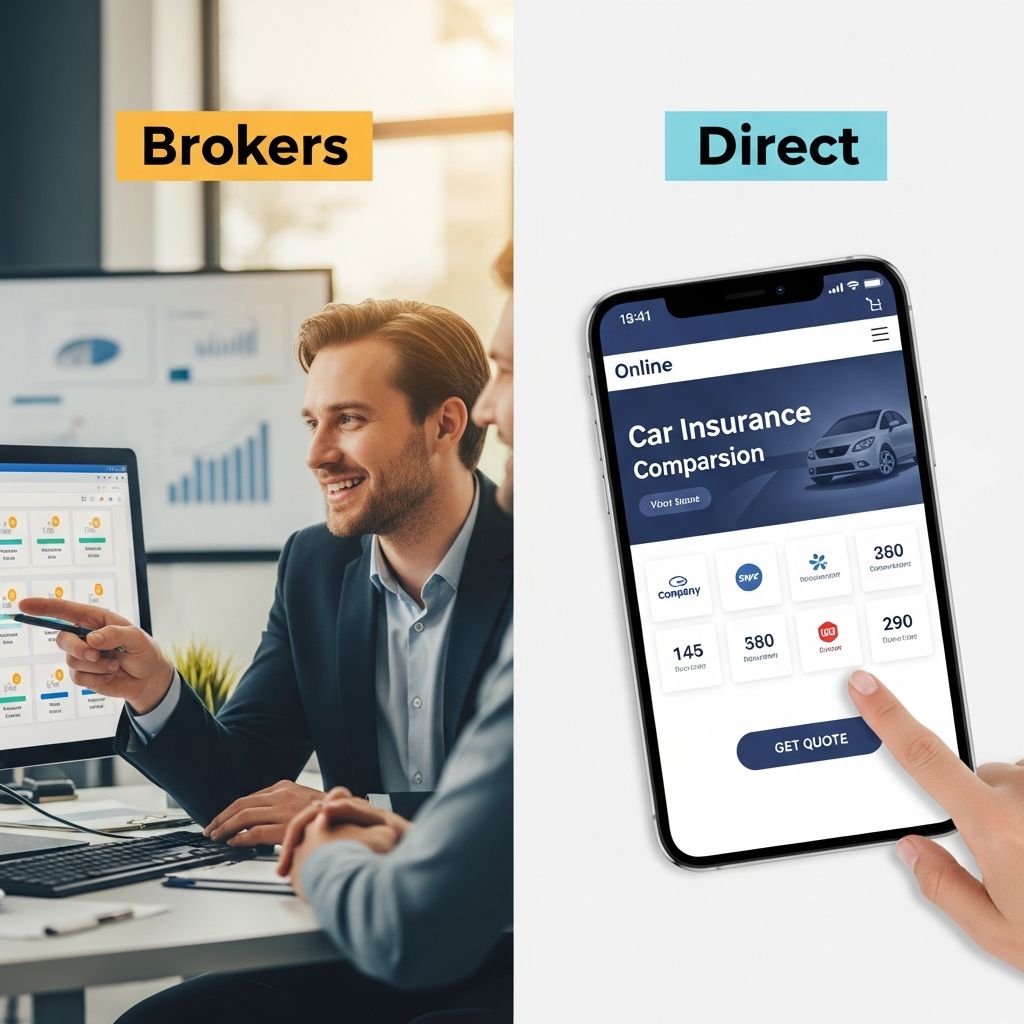
Deciding how to purchase car insurance involves weighing convenience, cost, and personalized support. Insurance brokers act as independent advisors shopping policies across multiple providers, while direct buying connects you straight to an insurer’s offerings. This guide examines both approaches to help you choose wisely for your auto coverage needs.
Understanding the Core Differences in Purchasing Channels
Car insurance acquisition happens through distinct channels, each with unique operational models. Brokers function as intermediaries representing your interests, sourcing quotes from various carriers to match your driving profile, vehicle type, and risk factors. In contrast, direct insurers sell policies via their websites, apps, or phone lines, streamlining the process without third parties.
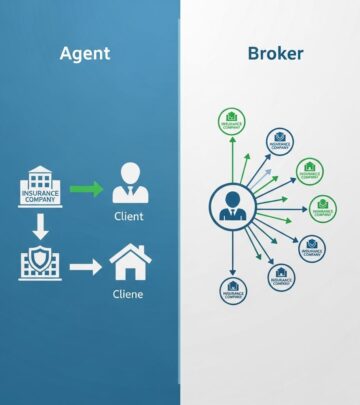
Agents, often confused with brokers, typically align with one or a few insurers, limiting options to those companies’ products. Brokers maintain independence, accessing broader markets for potentially superior terms. This independence allows brokers to negotiate on your behalf, though it may introduce slight delays in policy issuance compared to agents who bind coverage instantly.
Advantages of Partnering with a Car Insurance Broker
Brokers deliver tailored solutions, especially valuable for complex situations like high-risk drivers, multiple vehicles, or bundled policies. They invest time assessing your needs—considering factors like mileage, location, and claims history—to recommend optimal coverage.
- Market-Wide Access: Brokers compare dozens of carriers, uncovering competitive rates unavailable through single-provider channels.
- Expert Guidance: Their industry knowledge demystifies policy jargon, ensuring you avoid underinsurance or unnecessary add-ons.
- Claims Assistance: During incidents, brokers advocate for fair settlements, handling paperwork and insurer communications to expedite resolutions.
- Custom Fit: Ideal for unique needs, such as commercial use or specialty vehicles, where standard direct options fall short.
Recent data underscores brokers’ value: businesses using them report higher satisfaction due to comprehensive options. For car owners with atypical profiles, this access translates to savings and peace of mind.
Benefits of Buying Car Insurance Directly from Carriers
Direct purchasing appeals to those prioritizing speed and simplicity. By eliminating intermediaries, insurers pass savings to consumers through lower premiums and digital tools for instant quotes.
- Cost Efficiency: No broker commissions mean potentially reduced rates; many offer online discounts for bundling or safe driving.
- Seamless Process: 24/7 access via apps allows policy adjustments, payments, and claims filing without human involvement.
- Brand Trust: Direct relationships foster loyalty, with established carriers providing reliable customer support during claims.
- Privacy and Control: Shop anonymously online, avoiding sales pitches while customizing coverage in real-time.
For straightforward needs—like standard commuter cars—direct methods often suffice, delivering policies minutes after application.
Potential Drawbacks to Consider for Each Method
No option is flawless. Brokers charge fees or earn commissions embedded in premiums, possibly inflating costs. Their involvement can slow initial binding, as carriers must approve quotes. Direct buying risks overlooking superior deals from niche providers and leaves you navigating fine print alone.
| Aspect | Broker Drawbacks | Direct Drawbacks |
|---|---|---|
| Cost | Commissions may raise premiums | Limited to one carrier’s pricing |
| Speed | Delays in policy issuance | Instant, but less comparison |
| Expertise | Fee-based service quality varies | Self-reliant; no advocacy |
| Customization | Highly tailored | Standardized options |
This comparison highlights trade-offs: brokers excel in depth, direct in efficiency.
When Brokers Outshine Direct Purchases
Opt for a broker if your situation demands nuance. High-mileage drivers, young motorists, or those with DUIs benefit from brokers’ ability to shop forgiving carriers. Multi-policy shoppers—home, renters, auto—gain from bundled discounts across providers. In claims-heavy scenarios, brokers’ advocacy prevents denials, leveraging relationships for better outcomes.
For instance, specialty coverage like agreed-value policies for classic cars requires broker networks, as direct insurers rarely specialize therein.
Ideal Scenarios for Direct Car Insurance Buying
Direct shines for simple, low-risk profiles. New drivers with clean records or families seeking basic liability find competitive quotes effortlessly online. Tech-savvy users appreciate self-service portals for tracking discounts via telematics apps. If brand reputation matters—think nationwide giants with strong financial ratings—direct builds enduring partnerships.
Agents in the Mix: A Middle Ground Option
Independent agents resemble brokers but may represent fewer carriers, while captive agents (e.g., State Farm exclusives) push one brand. They offer quicker binding than brokers and more personalization than direct, suiting local needs with community insights. National brokers provide scale, aggregating quotes digitally.
| Type | Represents | Best For |
|---|---|---|
| National Broker | Multiple insurers, online focus | Broad comparisons, convenience |
| Local Agent | 1-5 carriers, in-person | Regional risks, relationships |
| Direct Insurer | Own products only | Speed, simplicity |
Cost Analysis: Brokers vs. Direct Premiums
Premiums vary by channel. Direct often undercuts by 5-15% due to no commissions, per industry analyses. Brokers counter with multi-quote leverage, sometimes securing 10-20% better rates for complex risks. Shop both: use online tools for baselines, then broker consultations for refinements.
Factor in fees—brokers may charge $50-200 annually—against direct’s promo savings. Long-term, brokers save via renewals advocacy.
Navigating Claims: Support Levels Compared
Claims define insurance value. Direct filers use apps for photos and AI approvals, but disputes require phone escalations. Brokers intervene proactively, interpreting adjuster tactics and appealing undervaluations. Statistics show broker-assisted claims settle 20% faster on average.
Factors Influencing Your Decision
- Your Expertise: Novices benefit from broker hand-holding; veterans thrive direct.
- Time Availability: Busy schedules favor brokers’ efficiency.
- Risk Profile: High-risk? Brokers. Standard? Direct.
- Location: Rural areas leverage local agents/brokers for tailored rates.
- Digital Comfort: App users go direct; others seek pros.
Practical Steps to Get Started
Begin with self-quotes from 3-4 direct sites like Geico or Progressive. Contact 2 brokers for counters. Review NAIC complaint indices for carrier reliability. Annually reassess at renewal.
Frequently Asked Questions
Do brokers cost more for car insurance?
Brokers earn commissions, but competitive shopping often offsets this with better rates.
Can I switch from direct to broker mid-policy?
Yes, shop new terms before renewal to avoid lapses.
Are online brokers as good as local ones?
National brokers offer volume; locals provide personalized touch.
How do I find a reputable broker?
Check licensing via state DOI sites, read reviews on BBB.
Does direct insurance handle claims faster?
Often yes for simple cases, but brokers excel in disputes.
This comprehensive overview equips you to select the car insurance path aligning with your priorities, balancing cost, coverage, and convenience effectively.
References
- Buying Insurance From Brokers vs. Agents vs. Direct — Berxi. 2023-05-15. https://www.berxi.com/resources/articles/insurance-from-brokers-vs-agents-vs-direct/
- What’s the Difference? Insurance Brokers vs. Direct Insurers — Tedford Insurance. 2024-02-10. https://www.tedfordinsurance.com/post/what-s-the-difference-insurance-brokers-vs-direct-insurers
- Why Choosing a Broker Is Better Than a Direct Insurance Company — Inszone Insurance. 2024-08-20. https://inszoneinsurance.com/blog/a-broker-is-better
- Insurance Agent vs. Insurance Broker: What’s the Difference? — AutoInsurance.com. 2023-11-12. https://www.autoinsurance.com/articles/agent-vs-broker/
- Difference Between National Insurance Broker Vs. Local Agent — SelectQuote. 2024-03-05. https://www.selectquote.com/auto-and-home-insurance/articles/national-insurance-broker-vs-local-agent
Similar Articles








Read full bio of Sneha Tete