Brigham Young University: A Comprehensive College Profile
Explore BYU's academics, campus life, rankings, and what makes it unique.
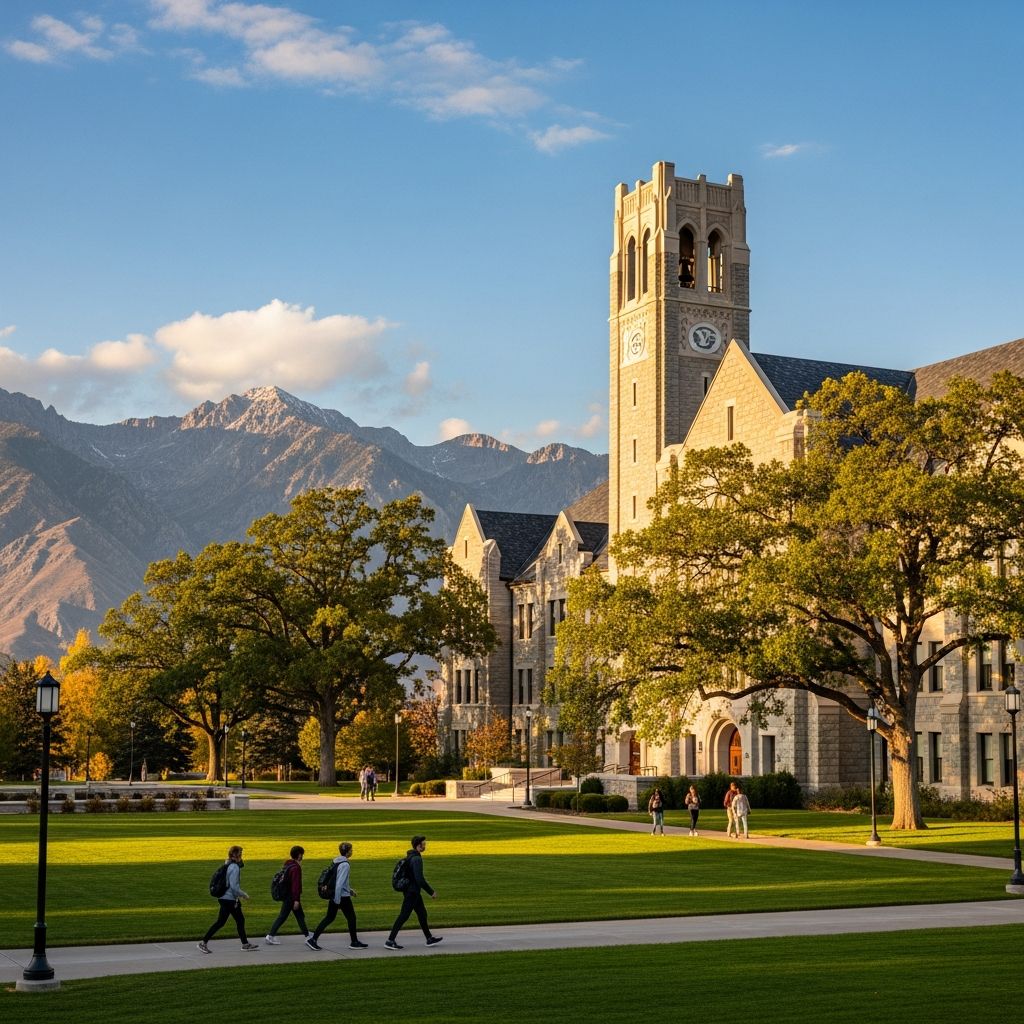
Brigham Young University (BYU) stands as one of the largest private universities in the United States, located in Provo, Utah, nestled at the base of the Wasatch Mountains. Established in 1875 by religious leader Brigham Young, BYU has evolved into a comprehensive research institution affiliated with The Church of Jesus Christ of Latter-day Saints (LDS Church). With its distinctive combination of rigorous academics, strong spiritual mission, and beautiful mountain campus, BYU attracts students from across the nation and around the world seeking an education that integrates faith, intellect, and character development.
University Overview and Basic Facts
BYU serves as the flagship university of the Church Educational System and maintains a commitment to developing students of faith, intellect, and character. The institution operates as a private, non-profit research university that reinvests all revenue into academic programs, research initiatives, and student services rather than distributing profits to shareholders. This mission-driven approach distinguishes BYU from many peer institutions and shapes its distinctive campus culture.
Campus Location and Physical Features
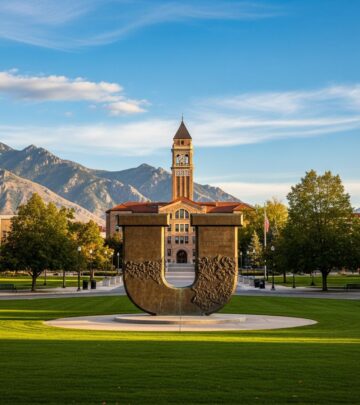
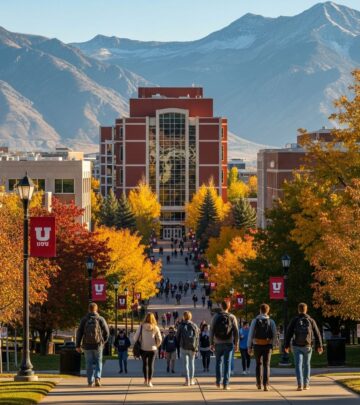
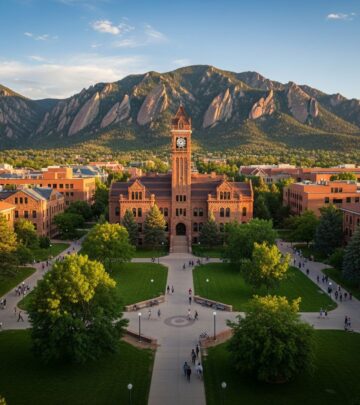
The main campus encompasses approximately 560 acres and features 295 buildings with diverse architectural styles reflecting different eras of construction. Students and visitors frequently praise the stunning natural setting, with views of Mount Timpanogos and the Wasatch Mountains visible from virtually every part of campus. The campus includes unique features such as multiple gardens, art galleries, impressive statues, and an underground library with several floors—creating an inspiring physical environment that complements the institution’s academic and spiritual mission.
Enrollment and Demographics
BYU maintains one of the largest student populations among private universities in the nation. As of Fall 2025, the university enrolled 37,205 total daytime students, including 34,224 undergraduates and 2,981 graduate students, with a relatively balanced 50% female to 50% male ratio.
The student body composition reflects BYU’s unique positioning within American higher education. In 2025, the racial breakdown showed 80.6% white, 9.3% Hispanic or Latino, 4.5% multi-ethnic, 3% Asian, 1% Black, 1% Native Hawaiian, and less than 1% American Indian. BYU is recognized as one of the least diverse among the top 100 universities in the United States, though the institution continues efforts to broaden its student body diversity.
Academic Structure and Programs
Colleges and Schools
BYU operates under 11 colleges and schools that collectively offer extensive educational opportunities across numerous disciplines. This organizational structure allows individual colleges to establish their own admission standards while maintaining institutional coherence and mission alignment.
Degree Programs and Offerings
The university provides comprehensive educational pathways at all levels:
Undergraduate Programs: BYU offers 202 undergraduate majors and 116 undergraduate minors, enabling students to pursue highly specialized or interdisciplinary studies. The most popular majors include Accounting, Research and Experimental Psychology, and Exercise Physiology.
Graduate Programs: The institution awards 95 master’s programs and 29 doctoral programs, along with a Juris Doctor program through the J. Reuben Clark Law School. During the 2024–2025 academic year, BYU granted 8,123 total degrees: 6,820 bachelor’s degrees, 1,076 master’s degrees, and 227 doctoral degrees.
Specialized Academic Features
Beyond traditional degree programs, BYU manages specialized courses and majors through the David M. Kennedy Center for International Studies and various college departments including Undergraduate Education, Graduate Studies, Independent Study, Continuing Education, and the Honors Program.
A distinctive feature of BYU’s academic offerings is its extensive language program, teaching courses in over 60 different languages with many advanced courses rarely offered elsewhere. Several language programs rank among the largest in the nation, including the renowned Russian program. BYU was selected by the United States Department of Education as the location of the national Middle East Language Resource Center, establishing the university as a hub for regional expertise.
Academic Calendar and Schedule
BYU operates on a semester academic calendar system, dividing the academic year into two main terms, each typically lasting 15 to 18 weeks, separated by long breaks. The typical academic year structure includes:
The Fall semester runs from September through December, followed by the Winter semester from January through April. Notably, BYU’s Winter semester ends earlier than most universities, in April, since the institution does not observe a Spring break—allowing students to pursue internships and summer activities earlier than their peers at other institutions. Two shorter terms follow during summer: Spring (May–June) and Summer (July–August).
Admissions and Selectivity
BYU maintains a selective admission policy based on entrance examinations and students’ past academic records and grades. The current acceptance rate ranges from 50-59%, with some sources reporting a 69% acceptance rate, making BYU an averagely selective institution. International applicants are eligible to apply for enrollment, contributing to the university’s global student presence.
University Rankings and Academic Recognition
National Rankings
BYU consistently performs well in major ranking systems. According to U.S. News & World Report, BYU ranks No. 110 (tie) in National Universities for 2025 and remains the top-ranked university in Utah. The university also appears in QS World University Rankings 2026 at #1001-1200, reflecting its position among global research universities.
Program-Specific Rankings
Several BYU programs earn exceptional recognition. The School of Accountancy, housed within the Marriott School of Business, received a No. 4 (tie) ranking out of 44 graduate programs rated by U.S. News & World Report for 2025. The J. Reuben Clark Law School achieved a No. 28 (tie) national ranking for 2025, establishing it among the nation’s top law schools.
Entrepreneurship Recognition
BYU stands out as one of the most highly ranked universities for entrepreneurship, with both undergraduate and graduate programs recognized among the top 10 in the nation by The Princeton Review. The university fosters a strong entrepreneurship culture encouraging students to launch their own companies, attracting over $1.3 billion in venture capital funding as of 2018.
Campus Life and Student Experience
Community and Culture
Students at BYU frequently describe a unique, friendly, and supportive community where many share similar values, particularly spiritual and moral ones. The campus atmosphere is characterized as safe, welcoming, and collaborative, with strong encouragement for friendship-building and teamwork. Social life remains active but tends toward wholesome activities centered around campus events and clubs rather than traditional party culture.
Spiritual Environment
The university emphasizes an uplifting spiritual environment that integrates faith with education throughout the academic experience. Courses frequently incorporate spiritual perspectives and moral character development, contributing to students’ personal growth alongside academic success. Many students appreciate learning in a setting that fosters both intellectual and spiritual development, aligning with BYU’s mission statement that “a BYU education should be spiritually strengthening, intellectually enlarging, and character building, leading to lifelong learning and service.”
Physical Campus and Facilities
BYU provides students with extensive academic and non-academic facilities and services, including a comprehensive library system, housing options, sports facilities, financial aid and scholarships, study abroad and exchange programs, online courses and distance learning opportunities, and administrative services.
Concerns and Areas for Improvement
While BYU excels academically and socially, students identify areas for development. Many note a lack of diversity on campus in terms of ethnicity, religion, sexuality, and backgrounds. This relative homogeneity can create a competitive atmosphere where some students may feel pressure to conform or struggle to stand out. Increasing campus diversity is widely recognized as an area requiring improvement to enhance the learning environment and strengthen community dynamics.
Alumni Impact and Institutional Legacy
BYU maintains a substantial and engaged alumni network. As of recent records, the university has graduated 384,713 alumni with degrees, of which 350,746 are living. The total living alumni base reaches 466,803, indicating significant alumni engagement beyond degree recipients. This extensive network contributes to BYU’s influence in business, education, public service, and numerous other fields.
Tuition and Financial Considerations
BYU is recognized for providing high-quality education at exceptional value. Tuition is considered very low compared to peer private universities, especially for members of The Church of Jesus Christ of Latter-day Saints (LDS students). This affordability, combined with the university’s strong academic reputation and unique spiritual mission, positions BYU as an attractive option for students seeking quality education without excessive debt burden.
Graduation and Student Success
BYU demonstrates strong student success metrics, with 82% of students graduating from the institution. This high graduation rate reflects effective academic support, student engagement, and the supportive campus community that encourages persistence and completion.
Frequently Asked Questions
Q: What is the acceptance rate at BYU?
A: BYU’s acceptance rate ranges from 50-69%, making it a moderately selective institution. The university bases admissions decisions on entrance examinations, academic records, and past grades.
Q: What languages does BYU teach?
A: BYU offers courses in over 60 different languages, including advanced courses rarely offered elsewhere. Several programs, such as Russian, rank among the largest in the nation.
Q: Is BYU ranked nationally?
A: Yes, BYU ranks No. 110 (tie) in National Universities according to U.S. News & World Report for 2025 and is the top-ranked university in Utah.
Q: How large is the BYU campus?
A: The main campus encompasses approximately 560 acres with 295 buildings, nestled at the base of the Wasatch Mountains in Provo, Utah.
Q: What makes BYU’s campus unique?
A: BYU’s campus features stunning mountain views, multiple gardens, art galleries, impressive statues, and a distinctive underground library with several floors, all set against the backdrop of the Wasatch Mountains.
Q: What is BYU’s mission?
A: BYU’s mission is to develop students of faith, intellect, and character who can continue learning and serve others throughout their lives, integrating spiritual and intellectual development.
Conclusion
Brigham Young University represents a distinctive model in American higher education, successfully combining rigorous academics, affordability, and a strong faith-based mission. With enrollment exceeding 37,000 students, comprehensive academic programs spanning 202 undergraduate majors and numerous graduate offerings, and national recognition in specific disciplines like accounting and law, BYU provides diverse pathways for student success. The beautiful mountain campus, supportive community culture, and emphasis on spiritual development alongside intellectual growth create a learning environment unlike most peer institutions. While diversity remains an area for continued growth, BYU’s strong graduation rates, extensive alumni network, and commitment to developing principled leaders position it as a significant force in American higher education.
References
- Brigham Young University BYU 2025 Rankings, Courses, Tuition — uniRank. 2025. https://www.unirank.org/us/uni/brigham-young-university/
- Brigham Young University — Wikipedia. 2025. https://en.wikipedia.org/wiki/Brigham_Young_University
- Brigham Young University – Niche — Niche. 2025. https://www.niche.com/colleges/brigham-young-university/
- Brigham Young University: Rankings, Fees & Courses Details — Top Universities. 2026. https://www.topuniversities.com/universities/brigham-young-university
- Facts & Figures – BYU — Brigham Young University Official. 2025. https://www.byu.edu/facts-figures
- BYU tops Utah colleges in 2025 U.S. News rankings — Axios. 2025-09-23. https://www.axios.com/local/salt-lake-city/2025/09/23/byu-best-college-utah-2025-rankings
- About – BYU — Brigham Young University Official. 2025. https://www.byu.edu/about
Similar Articles








Read full bio of medha deb