Brick And Mortar: 6 Key Advantages, Challenges, And Types
Understanding brick and mortar retail: Definition, examples, advantages, and challenges in modern commerce.

What Is Brick and Mortar?
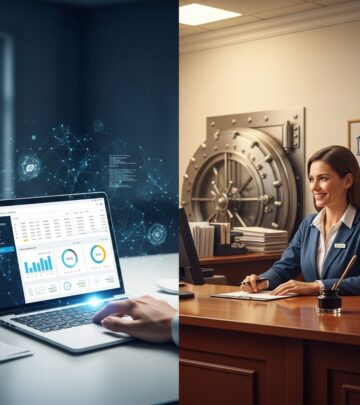
Brick and mortar is a business model that operates from a physical location where customers can visit in person to purchase products or services. The term “brick and mortar” derives from the traditional building materials used to construct retail storefronts and commercial establishments. This conventional retail approach stands in contrast to e-commerce businesses that operate exclusively online. In the early 2000s, as digital commerce emerged, the term gained prominence to distinguish between traditional physical retailers and internet-based businesses.
The brick and mortar business model creates a tangible shopping experience where customers can interact directly with products, examine quality, and engage with sales representatives face-to-face. These establishments can be located in shopping malls, town centers, city streets, or the outskirts of small communities. Whether it’s a large department store or a small local boutique, brick and mortar retailers share the common characteristic of maintaining a physical presence that serves as their primary or supplementary sales channel.
The Origin and Evolution of the Term
The phrase “brick and mortar” literally refers to the fundamental building materials used in constructing structures for centuries. The term emerged as a specific business designation during the digital revolution when online retailers began changing consumer shopping habits. Before the internet age, nearly all retail businesses operated as brick and mortar establishments by default. However, once e-commerce platforms like Amazon and eBay revolutionized shopping, retailers needed terminology to distinguish between those with physical locations and those operating exclusively online.
This distinction became particularly important during the late 1990s and early 2000s dot-com era when investors and consumers needed to understand the fundamental differences between digital-native companies and traditional retailers. The term has since become standard business vocabulary, appearing regularly in retail analysis, financial reports, and market research discussions.
Key Characteristics of Brick and Mortar Businesses
Several defining features characterize brick and mortar operations:
- Physical Location: A constructed storefront, office, or facility that customers can physically visit
- Face-to-Face Interactions: Direct customer engagement with employees and products in real time
- Immediate Inventory Access: Customers can view, examine, and test products before purchasing
- Personal Service: Sales associates can provide immediate assistance and answer questions about products
- Local Community Presence: Businesses establish relationships with their surrounding community
- Operational Overhead: Costs associated with property ownership, maintenance, utilities, and staffing
Common Examples of Brick and Mortar Businesses
Brick and mortar businesses span numerous industries and range from large multinational corporations to small independent operations. Understanding these examples illustrates the diversity of the brick and mortar model.
Large-Scale Retailers
Walmart represents the world’s largest brick and mortar retailer with over 11,400 stores operating across 26 countries. The company offers a diverse product range including groceries, clothing, electronics, and household items. Target similarly operates numerous physical locations, selling merchandise across multiple categories from groceries to clothing and pet supplies. Home Depot specializes in home improvement and construction materials, maintaining an extensive network of physical stores where customers can browse and purchase products.
Grocery Stores
Grocery retailers exemplify successful brick and mortar operations. Brands like Trader Joe’s, Whole Foods, and Costco maintain extensive physical presences across most states. Grocery stores represent the primary in-store shopping location for nearly half of all customers, with brick and mortar grocery stores generating $8.12 trillion in sales in the United States alone in 2022. These establishments allow customers to select fresh produce, view product quality, compare prices, and make immediate purchasing decisions.
Specialty and Department Stores
Specialty retailers like Dick’s Sporting Goods, CVS pharmacies, and Macy’s department stores maintain significant brick and mortar operations. These establishments focus on specific product categories or offer diverse merchandise through multiple departments, allowing customers to browse specialized inventories.
Food Service and Restaurants
The brick and mortar model extends beyond retail to include restaurant chains like McDonald’s, which began as physical locations and maintained that presence as their core business model. Coffee shops and local restaurants similarly depend on physical locations for their operations.
Smaller Independent Businesses
Smaller brick and mortar businesses include local grocery stores, fitness gyms, pet stores, banks, convenience stores, and specialized boutiques. These establishments often focus on serving specific communities or offering targeted product selections.
Advantages of Brick and Mortar Operations
Despite competition from e-commerce, brick and mortar businesses offer significant advantages that continue to attract customers and drive business success.
Direct Customer Interaction
Physical locations enable face-to-face interactions between customers and employees, creating opportunities for personalized service. Sales representatives can answer questions immediately, provide product recommendations, and address customer concerns in real time. This direct engagement often builds stronger customer relationships and increases trust in purchasing decisions.
Product Examination and Quality Assessment
Customers visiting brick and mortar stores can physically examine merchandise, test products, and assess quality before committing to purchases. This hands-on experience is particularly valuable for items like clothing, electronics, furniture, and cosmetics where customers benefit from tactile evaluation.
Immediate Availability and Gratification
Unlike online shopping requiring delivery times, brick and mortar customers receive their purchases immediately upon purchase. This instant gratification appeals to shoppers seeking immediate product access without waiting periods.
Enhanced Trust and Brand Loyalty
Physical locations create a sense of legitimacy and stability that can enhance customer confidence. Established brick and mortar businesses often build loyal customer bases within their communities through consistent service and local presence.
Increased Conversion Rates
Physical locations have greater chances of converting browsers into buyers because of the increased level of trust and immediate product access. The immersive shopping environment and personal interactions often result in higher sales conversions compared to online channels alone.
Challenges and Disadvantages of Brick and Mortar Retail
Operating brick and mortar establishments presents substantial challenges that require careful management and strategic planning.
Significant Operational Costs
Physical locations require considerable financial investment and ongoing expenses. Retailers must pay costs associated with owning or leasing property, maintaining facilities, purchasing insurance, and advertising the business. These overhead expenses significantly impact profitability and require careful cost management.
Inventory Management Requirements
Brick and mortar businesses must maintain fully stocked inventory to meet in-store customer demands. This inventory management responsibility ties up capital, requires warehouse space, and creates challenges in balancing product availability with storage costs.
Geographic Limitations
Physical locations restrict customer access to those within convenient traveling distance. Unlike online retailers serving global markets, brick and mortar businesses typically serve local or regional customer bases, limiting growth potential.
Staffing and Labor Costs
Operating physical locations requires employing sales associates, customer service representatives, and maintenance staff. Labor costs represent a significant portion of brick and mortar expenses, particularly as wages and benefits increase.
Reduced Shopping Hours
Physical stores operate during set business hours, while online retailers offer 24/7 shopping access. This limitation restricts when customers can make purchases and may disadvantage brick and mortar businesses serving customers with limited shopping availability.
The Hybrid Business Model
Many successful brick and mortar retailers have adopted hybrid business models, combining physical store operations with online e-commerce presence. Retailers like Walmart, Target, Home Depot, Dick’s Sporting Goods, and Trader Joe’s maintain both physical storefronts and digital sales channels. This omnichannel approach allows customers to shop through their preferred method while companies diversify revenue streams and reduce dependency on single channels.
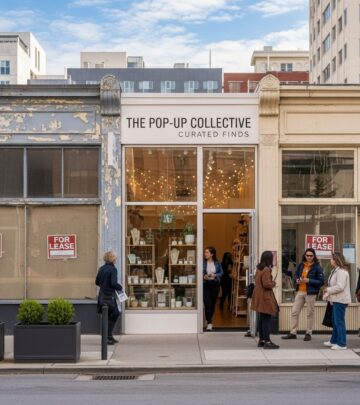
Even Amazon, the quintessential e-commerce giant, has expanded into brick and mortar retail through both permanent storefronts and temporary pop-up stores, demonstrating the continued relevance of physical retail locations. Companies implementing hybrid models report significant advantages, with brick and mortar sales actually growing faster than digital sales in 2021, indicating sustained consumer preference for in-person shopping experiences.
Brick and Mortar Performance and Market Data
Recent market performance demonstrates that brick and mortar retail remains vital despite digital commerce growth. The grocery sector exemplifies this resilience, with consumers spending increasingly more on groceries at physical stores. Data shows that 50% of US consumers spent more on groceries than the previous year as of March 2022, with grocery stores generating $8.12 trillion in sales in 2022 alone.
Companies successfully leveraging brick and mortar infrastructure have demonstrated remarkable results. For example, Wildling, a German shoe retailer that opened its first brick and mortar showroom, saw a 50% increase in first-time shoppers in its physical showrooms after implementing integrated point-of-sale systems connecting inventory between online and offline channels.
Types of Brick and Mortar Establishments
Brick and mortar businesses encompass various establishment types, each serving different customer needs and business purposes:
| Type | Description | Examples |
|---|---|---|
| Grocery Stores | Food and household product retailers offering fresh produce, dairy, and packaged goods | Walmart, Trader Joe’s, Whole Foods, Costco |
| Department Stores | Large retailers offering diverse merchandise across multiple product categories | Target, Macy’s, Nordstrom |
| Specialty Retailers | Stores focusing on specific product categories or customer segments | Dick’s Sporting Goods, CVS, Best Buy |
| Restaurants and Cafés | Food service establishments providing dining experiences | McDonald’s, Starbucks, local restaurants |
| Service Providers | Businesses offering professional services from physical locations | Banks, fitness gyms, salons, pet stores |
| Independent Boutiques | Smaller retailers specializing in unique or niche products | Local clothing stores, bookshops, antique shops |
Frequently Asked Questions About Brick and Mortar
Q: What is the difference between brick and mortar and e-commerce?
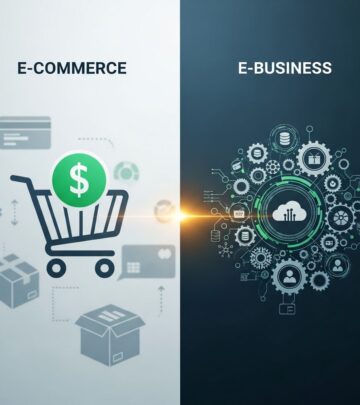
A: Brick and mortar businesses operate from physical locations where customers shop in person, while e-commerce businesses operate exclusively or primarily online. Brick and mortar offers face-to-face interactions and immediate product access, whereas e-commerce provides convenience and broader geographic reach.
Q: Why is it called “brick and mortar”?
A: The term derives from the traditional building materials (bricks and mortar) used to construct physical structures housing retail establishments. It literally describes the physical components of business locations.
Q: Can brick and mortar businesses also operate online?
A: Yes, many brick and mortar businesses have adopted hybrid models, maintaining physical storefronts while also conducting e-commerce operations. This omnichannel approach allows customers to shop through their preferred method.
Q: Are brick and mortar stores dying?
A: No, brick and mortar retail remains viable and important. Despite e-commerce growth, brick and mortar sales actually grew faster than digital sales in 2021, demonstrating continued consumer preference for in-person shopping.
Q: What are the main costs of operating a brick and mortar business?
A: Primary costs include property ownership or leasing, facility maintenance, utilities, insurance, staffing, inventory management, and advertising. These operational expenses significantly impact profitability.
Q: Which industries rely most heavily on brick and mortar operations?
A: Grocery retail, department stores, specialty retailers, restaurants, and service providers typically depend heavily on brick and mortar operations, though most now incorporate online channels.
The Future of Brick and Mortar Retail
The brick and mortar retail model continues evolving as businesses adapt to changing consumer preferences and technological advancements. Successful retailers integrate physical and digital experiences, using technology to enhance in-store shopping while maintaining the advantages of face-to-face service. Point-of-sale systems now connect inventory across online and offline channels, creating seamless customer experiences regardless of shopping method.
As consumer behavior demonstrates sustained preference for in-person shopping, brick and mortar establishments will likely remain central to retail strategy. The key to future success involves leveraging physical locations’ unique advantages—personal interaction, immediate product access, and community connection—while integrating digital tools to meet evolving customer expectations.
References
- What is Brick and Mortar? — Syte. 2025. https://www.syte.ai/glossary/brick-and-mortar/
- Brick-and-Mortar Store | Overview & Examples – Lesson — Study.com. 2025. https://study.com/learn/lesson/brick-and-mortar-store-overview-examples.html
- Brick and Mortar: Everything There Is To Know — BlueCart. 2025. https://www.bluecart.com/blog/brick-and-mortar
- What Is a Brick-and-Mortar Store? — Indeed. 2025. https://www.indeed.com/hire/c/info/brick-and-mortar
- Brick and Mortar Stores: Types, Benefits, Examples (2024) — Shopify. 2024. https://www.shopify.com/retail/brick-and-mortar
- What Does It Mean to Be a Brick-and-Mortar Store? — LaunchPoint Retail. 2025. https://www.launchpointretail.com/insights/what-does-it-mean-to-be-a-brick-and-mortar-store
- What Is a Brick-and-Mortar Store? 6 Types of B&M Businesses — MasterClass. 2025. https://www.masterclass.com/articles/brick-and-mortar-store-guide
Similar Articles








Read full bio of Sneha Tete