Bribing Kids: What Psychologists Say You Should Know
Explore expert insights on bribing children and discover effective alternatives that build lasting motivation.
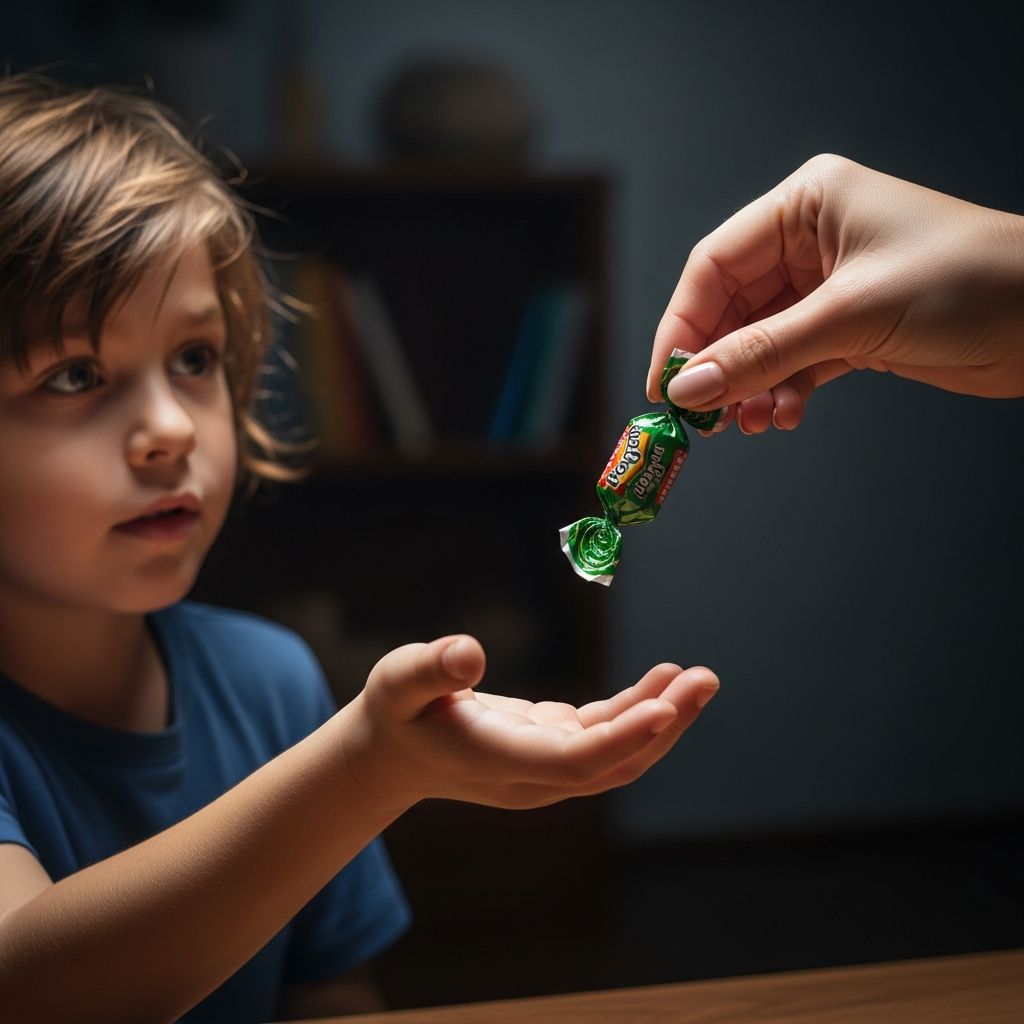
Parents face countless daily challenges when it comes to motivating their children to complete chores, behave appropriately, and engage in healthy habits. For many, the quick fix of offering a reward—money, treats, or privileges—seems like an effective solution. However, psychologists and child development experts caution that bribing children may carry significant long-term consequences that extend far beyond the immediate behavioral change. Understanding the distinction between bribing and rewarding, and recognizing the psychological impact of these practices, can help parents make more informed decisions about motivation strategies.
Understanding the Difference Between Bribes and Rewards
At first glance, bribing and rewarding appear to be interchangeable parenting tactics. However, child psychologists distinguish between these two approaches based on timing, intent, and the message they send to children. A bribe is typically offered before or during a behavior—contingent upon a child acting out or refusing to comply. It functions as a negotiation tool to extract compliance from a resistant child, essentially rewarding misbehavior or defiance. When a parent says, “If you stop throwing a tantrum right now, I’ll buy you ice cream,” they are bribing their child and inadvertently reinforcing the very behavior they want to eliminate.
In contrast, a reward is offered after a child demonstrates desired behavior consistently. Rewards recognize and celebrate positive actions, building a child’s sense of accomplishment and pride. When a parent says, “Because you completed your homework all week without complaining, we’ll go to the movies on Saturday,” they are providing a reward that reinforces the positive habit.
This distinction matters enormously because bribes teach children that inappropriate behavior is negotiable and can be leveraged for personal gain. Rewards, when used appropriately, reinforce positive behaviors and help children develop intrinsic motivation—the internal drive to do things because they matter or feel rewarding, rather than for external payoffs.
The Psychological Impact of Bribing Children
Research in child development and behavioral psychology reveals several concerning patterns associated with frequent bribing. When children become accustomed to receiving tangible rewards for compliance, they may begin to question why they should behave appropriately without one. This shift fundamentally undermines the development of internal motivation and personal responsibility.
One critical concern highlighted by psychologists is that bribing can create a sense of entitlement in children. If a child learns that every requested behavior comes with a material reward, they begin to expect compensation for basic responsibilities. Over time, this expectation can damage a child’s willingness to cooperate unless the incentive matches their desired value.
Additionally, bribing patterns can teach children problematic negotiation tactics. When parents offer bribes in response to misbehavior—such as promising a treat to end a grocery store tantrum—children learn that acting out is a viable strategy for gaining what they want. This creates a troubling dynamic where the child holds the parent hostage: “If you don’t give me what I want, I will misbehave.” Over time, this pattern becomes increasingly difficult and costly for parents to manage.
The Problem With Monetary Bribes
Many parents resort to paying children for academic performance or household chores, viewing money as a universally motivating incentive. However, psychological research raises significant questions about the effectiveness of this approach. According to child development experts, paying children for grades or chores can inadvertently communicate that these activities are only worth doing for financial gain.
When money becomes the primary motivator, children may develop a transactional mindset about responsibilities. A child who receives payment for taking out the trash may not understand that contributing to household management is a responsibility everyone shares. If the payment stops or is insufficient, the child may abandon the behavior entirely, leaving parents without a sustainable solution.
Furthermore, monetary bribes can interfere with a child’s developing sense of intrinsic motivation—particularly regarding academics. When children associate learning with payment rather than the joy of discovery or the satisfaction of mastery, they miss the opportunity to develop genuine intellectual curiosity. This can have lasting effects on their engagement with education throughout their academic careers.
When Good Intentions Lead to Problematic Patterns
Parents often resort to bribing with the best intentions. A frustrated parent at the grocery store, a teacher at home struggling with homework resistance, or a parent concerned about a child’s reluctance to attend counseling may all turn to bribes as a quick solution. In the moment, bribes frequently work—the misbehavior stops, the task gets completed, and peace is restored.
However, this short-term success masks a serious problem: the bribe becomes established as an expected pattern. Parents who bribe their children to complete routine tasks—such as getting in the car seat, brushing teeth, or doing homework—often find themselves locked into an exhausting cycle. They must continue offering increasingly valuable incentives to achieve the same level of compliance, creating a situation where neither parent nor child can win.
This pattern is particularly problematic for daily responsibilities that must happen consistently. Parents who use fruit snacks to motivate car seat compliance, for example, may find themselves needing those snacks every single car ride. The cost—both financial and emotional—grows unsustainable, and the child learns nothing about the importance of routine safety measures.
Building Intrinsic Motivation: Effective Alternatives to Bribing
Rather than relying on bribes, psychologists recommend strategies that help children develop internal motivation and a sense of responsibility. These approaches take longer to establish but create more sustainable behavioral change.
Establishing Clear Expectations and Routines
Children thrive when they understand what is expected of them and why those expectations exist. Parents can reduce the need for bribes by establishing clear routines and consistently reinforcing them without negotiation. When a child learns that brushing teeth is simply part of the bedtime routine—non-negotiable and requiring no special incentive—they eventually accept it as a normal part of their day.
Using Positive Reinforcement Strategically
Rather than bribing to extract behavior, parents can use positive reinforcement to acknowledge and celebrate behaviors that have been consistently demonstrated. This might involve praise, special privileges, or small rewards offered after a pattern of compliance has been established. The key distinction is that the reward comes after the behavior, not as a condition of it.
Connecting Behaviors to Meaningful Values
Children are more motivated when they understand the purpose behind a behavior. A child who resists practicing violin might become more engaged when they understand how practice leads to the ability to play songs they love. A child reluctant to eat vegetables might become more interested when they learn that these foods fuel their growing bodies and help them develop strength and energy.
Offering Natural Consequences and Logical Outcomes
Rather than inventing bribes, parents can allow natural consequences to teach lessons. A child who refuses to eat lunch may experience hunger later—a natural consequence that doesn’t require parental intervention or incentive. A child who doesn’t pack their sports bag forgets their equipment and must face the disappointment—a logical outcome that builds responsibility.
Special Circumstances: When Some Form of Incentive Might Be Appropriate
While psychologists generally caution against bribing, there are limited circumstances where offering an incentive might serve a legitimate purpose. These typically involve helping a child overcome genuine anxiety or difficulty, rather than extracting compliance from defiant behavior.
For example, a child with dental anxiety might benefit from a reward system designed to help them gradually acclimate to dental visits. Similarly, a child struggling with a challenging new skill might benefit from recognition and rewards as they work toward mastery. In these cases, the incentive functions as encouragement for effort and courage, not as a negotiation tactic.
The critical distinction is that these incentives should be temporary, designed to help the child move toward independent capability and intrinsic motivation. Once the child has mastered the skill or overcome the anxiety, the external rewards should fade, leaving the child with a sense of personal accomplishment.
The Long-Term Consequences of Habitual Bribing
Research in developmental psychology suggests that children who are frequently bribed may develop several problematic patterns that extend into adolescence and adulthood. These include:
- Reduced sense of personal responsibility for their own behavior and choices
- Expectation that others will compensate them for meeting basic standards
- Difficulty functioning in environments where external rewards are not available
- Potential engagement in negotiation and manipulation as primary communication strategies
- Diminished intrinsic motivation across multiple life domains
Children who develop these patterns may struggle in school settings where they cannot negotiate grades, in workplace environments where effort is expected without constant recognition, and in relationships where reciprocal cooperation is required.
Practical Strategies for Parents Currently Using Bribes
Parents who recognize that they have fallen into patterns of bribing should know that change is possible, though it requires consistency and patience. The transition away from bribing should be gradual rather than abrupt, to avoid confusing or frustrating children.
Step 1: Identify Bribe Patterns
Parents should honestly assess which behaviors they currently bribe and categorize them. Are they bribing for routine tasks? For behaviors that indicate misbehavior? For tasks that require extra effort? Understanding the pattern helps identify which situations need the most attention.
Step 2: Eliminate Bribes for Routine Tasks First
It’s generally easiest to stop bribing for routine daily tasks. Parents should clearly communicate to their child that while they understand the change will be difficult, certain behaviors are now non-negotiable expectations. They should prepare for resistance and implement consistent enforcement, knowing that it typically takes several weeks for children to adjust to new expectations.
Step 3: Gradually Transition to Reward Systems
For behaviors that previously required bribing but that the parent genuinely wants to encourage, a well-designed reward system can help. This system should reward the behavior after it occurs consistently, should use small, non-monetary rewards when possible, and should include a plan for gradually phasing out the rewards.
Step 4: Communicate the Change
Children benefit from understanding why the parenting approach is changing. Parents might explain, “We realize that we’ve been giving you things to get you to do what we ask. That’s not fair to you, and it’s not teaching you what you need to learn. From now on, we’re going to do things differently.” Honest communication builds trust, even when the change is initially unpopular with the child.
Frequently Asked Questions About Bribing Children
Q: Is there any difference between bribing and giving an allowance for chores?
A: Yes, there is an important difference. An allowance can be structured as either a bribe or an age-appropriate responsibility system. If a parent offers money to stop misbehavior or to extract reluctant cooperation, it functions as a bribe. However, if an allowance is presented as the child’s regular compensation for fulfilling household responsibilities expected of all family members, and is not contingent on the child’s emotional response or cooperation level, it functions more as a teaching tool about work and money. The timing, framing, and consistency matter significantly.
Q: At what age should parents stop using any form of incentive or reward?
A: There is no specific age cutoff, but the goal should be gradually reducing reliance on external incentives as children mature. Young children may benefit from reward systems while learning routines, but by elementary school age, children should increasingly understand responsibilities and intrinsic motivation. By adolescence, external rewards should play minimal roles, with teens motivated by understanding how their behavior affects their goals and responsibilities.
Q: What should parents do if their child has become accustomed to being bribed?
A: Parents should expect resistance and difficulty during the transition away from bribing. Children may escalate misbehavior initially, testing whether the parent will return to the old patterns. Consistency, clear communication, and patient enforcement of expectations are essential. Many parents find it helpful to work with a family counselor during this transition to maintain resolve and manage the temporary increase in conflict.
Q: Can bribing ever be considered acceptable in parenting?
A: Most child psychologists advise against relying on bribing as a primary parenting strategy. However, limited, temporary use of incentives may be appropriate in specific contexts—such as helping a child overcome a genuine fear or anxiety, or providing encouragement during a challenging learning process. These should be explicitly framed as temporary support, not permanent expectations, and should be phased out as the child develops competence and confidence.
Q: How can parents motivate children without using money or material rewards?
A: Effective non-material motivators include praise and recognition, special privileges (like choosing the family dinner), quality time with parents, increased independence or responsibility, and connection to meaningful values or goals. Children are often motivated by feeling competent, by contributing meaningfully to their family, and by progressing toward goals they genuinely care about. Understanding each child’s individual motivations helps parents develop approaches that resonate with their specific child.
References
- Bribing Kids vs. Rewarding Kids for Good Behavior: What’s the Difference? — Empowering Parents. https://www.empoweringparents.com/article/bribing-kids-vs-rewarding-kids-for-good-behavior-whats-the-difference/
- When Is a Child’s Reward Actually a Bribe? — Psychology Today. March 2023. https://www.psychologytoday.com/us/blog/liking-the-child-you-love/202303/when-is-a-childs-reward-actually-a-bribe
- Bribing Children – 4 Things to Do So You Don’t Regret It — iMOM. https://www.imom.com/bribing-children-4-ways-to-not-regret-it/
Similar Articles








Read full bio of Sneha Tete