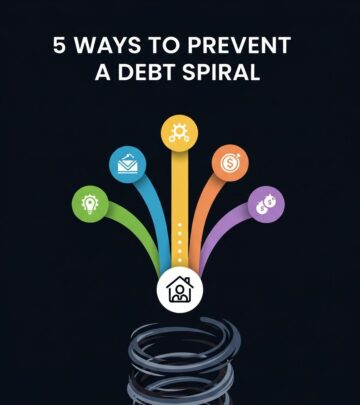
Breaking The Debt Cycle: 5 Proven Steps To Financial Recovery
Learn how debt spirals form, recognize warning signs, and take decisive steps to regain control of your finances for lasting freedom.

The debt cycle represents a vicious pattern where accumulating obligations force individuals into repeated borrowing, often escalating financial strain. This phenomenon traps many in a loop of escalating interest, fees, and dependency on credit for basic needs, hindering long-term stability.
Defining the Debt Cycle Phenomenon
A debt cycle emerges when expenditures surpass income, prompting initial borrowing that snowballs due to compounding interest and unforeseen costs. Unlike strategic debt for assets like homes or education, this cycle involves reactive loans for survival, where repayments barely dent principal balances.
Common triggers include sudden job disruptions, health crises, or vehicle failures, which deplete reserves and necessitate credit use. Without intervention, minimum payments sustain accounts but perpetuate growth through accruing charges, creating a self-reinforcing trap.
Key Triggers That Ignite Debt Accumulation
Financial downturns often spark the cycle. For instance, unemployment eliminates steady cash flow, compelling reliance on cards for essentials like food and shelter. Divorce proceedings divide assets and inflate costs, while medical emergencies rack up bills alongside reduced work capacity.
- Income volatility: Layoffs or hour cuts shrink earnings without matching expense reductions.
- Unexpected repairs: Home or auto fixes demand immediate funds absent savings.
- Health setbacks: Treatments and recovery periods drain resources rapidly.
- Lifestyle shifts: Relocations or family changes alter budgets unpredictably.
These events highlight how vulnerability to shocks without buffers accelerates borrowing dependency.
Progressive Stages of Debt Entrapment
The progression unfolds predictably, each phase compounding the prior. Initial overspending leads to mounting balances, payment struggles, credit deterioration, and ultimate reliance on fresh debt.
Phase 1: Initial Overspend and Borrowing
It starts subtly: an unforeseen expense exceeds liquid assets, prompting credit card use or loans. Intentions to repay swiftly falter as interest accrues, with minimums covering little principal.
Phase 2: Balance Growth Amid Payments
Despite consistent minimums, new charges and rates ensure balances rise. Multiple accounts complicate tracking, as due dates clash and promotional offers expire into punitive APRs.
Phase 3: Missed Obligations and Penalties
Overwhelm leads to delinquencies, incurring fees and rate hikes that amplify burdens. Credit scores plummet from high utilization and lates, restricting future options.
Phase 4: Full Credit Reliance for Essentials
Debt dominates budgets, funding groceries and utilities via plastic. New borrowing pays old, with debt-to-income ratios exceeding safe thresholds, signaling severe entrapment.
| Stage | Characteristics | Consequences |
|---|---|---|
| 1. Overspend | Unexpected cost met with credit | Interest begins accumulating |
| 2. Growth | Minimum payments; new debts added | Balances expand despite efforts |
| 3. Delinquencies | Missed payments, fees pile up | Credit damage, higher rates |
| 4. Dependency | Credit for daily needs | DTI surges; cycle perpetuates |
Critical Indicators of Cycle Involvement
Self-assessment reveals entrapment through behavioral and metric signals. Persistent minimum-only payments, bill juggling, or debt-fueled living signal trouble.
- High debt-to-income (DTI) ratio: Over 36% of income servicing debt limits breathing room.
- Serial borrowing: Using advances for repayments without root fixes.
- Chronic lates: Fees erode progress, spiking anxiety.
- Maxed limits: Utilization above 30% harms scores.
- Stress indicators: Sleeplessness over finances, avoidance of statements.
Recognizing these prompts action before spirals deepen.
Macro Perspectives on Debt Dynamics
Beyond individuals, cycles mirror broader economies. Economic expansions fuel credit growth, but when repayments outpace incomes, contractions follow, as one party’s debt service curbs another’s revenue. Governments and firms face analogous traps from unchecked liabilities.
Proven Pathways to Cycle Disruption
Escape demands disciplined tracking, cuts, and restructuring. Start with a zero-based budget allocating every dollar.
- Inventory all obligations: List balances, rates, minimums for clarity.
- Prioritize high-interest debts: Avalanche method targets costliest first.
- Boost inflows: Side gigs or overtime supplement earnings.
- Negotiate terms: Creditors may lower rates or waive fees.
- Consolidate: Balance transfers or loans streamline payments.
Debt management plans via nonprofits aggregate payments, often securing concessions. Bankruptcy serves as last resort, discharging eligible debts but impacting credit long-term.
Budgeting Frameworks for Stability
Adopt 50/30/20: 50% necessities, 30% wants, 20% savings/debt. Track via apps for real-time insights.
Preventive Measures for Future Resilience
Avoidance builds through habits: Maintain 3-6 months’ expenses in emergencies, automate savings, live below means.
- Emergency funds prevent reactive borrowing.
- Credit monitoring flags issues early.
- Financial education equips for shocks.
Increase income proactively via skills or ventures.
Real-Life Recovery Narratives
Consider cases like post-layoff workers rebuilding via gig economy roles, slashing non-essentials, and snowballing small wins. Medical debtors consolidate via plans, freeing cash for buffers. These underscore mindset shifts: viewing debt as temporary foe.
Frequently Asked Questions
What differentiates healthy debt from a cycle?
Healthy debt funds appreciating assets with affordable, planned repayments; cycles involve unsustainable borrowing for consumption with rising balances.
How long to escape a typical cycle?
Varies by total and commitment; aggressive plans clear $10K in 1-2 years.
Does consolidation always help?
Effective if lower rates and single payment simplify; avoid if fees offset savings.
Impact on credit scores?
Utilization drops aid recovery; delinquencies linger 7 years but fade with positive history.
Role of professional help?
NFCC-certified counselors offer free plans; steer clear of for-profit debt settlement scams.
Long-Term Strategies for Wealth Building
Post-escape, redirect payments to investments. Compound growth via retirement accounts outpaces debt costs. Mindful spending sustains freedom.
Debt cycles, while daunting, yield to systematic countermeasures. Awareness, budgeting, and persistence transform burdens into stability foundations.
References
- Understanding and Escaping the Debt Cycle — Kudzu Money. 2023. https://kudzumoney.com/blog/escape-debt-cycle/
- The debt cycle—and how to break it — Achieve. 2024-01-15. https://www.achieve.com/learn/debt-basics/debt-cycle
- Ray Dalio Explains Debt Cycles — YouTube (Bridgewater Associates). 2015. https://www.youtube.com/watch?v=SoKr0QVCLPA
- What is a debt cycle? — MoneyPlus Advice. 2024. https://moneyplusadvice.com/blog/tips-advice/what-is-a-debt-cycle/
- Breaking the Debt Cycle: A Path to Financial Freedom — Granite.org. 2023-05-10. https://www.granite.org/financial-news-tips/breaking-the-debt-cycle-a-path-to-financial-freedom
- How to Avoid — or Break — the Debt Trap Cycle — FINRED (U.S. Department of the Treasury). 2024. https://finred.usalearning.gov/Money/DebtTraps
- Avoiding the Debt Cycle — National Bank of Arizona. 2023-08-20. https://www.nbarizona.com/personal/community/blog/avoiding-the-debt-cycle/
Similar Articles








Read full bio of medha deb