Breaking the Bread Code: How to Get the Freshest Loaf
Unlock secrets to selecting, storing, and reviving the freshest bread for maximum flavor and savings at home.
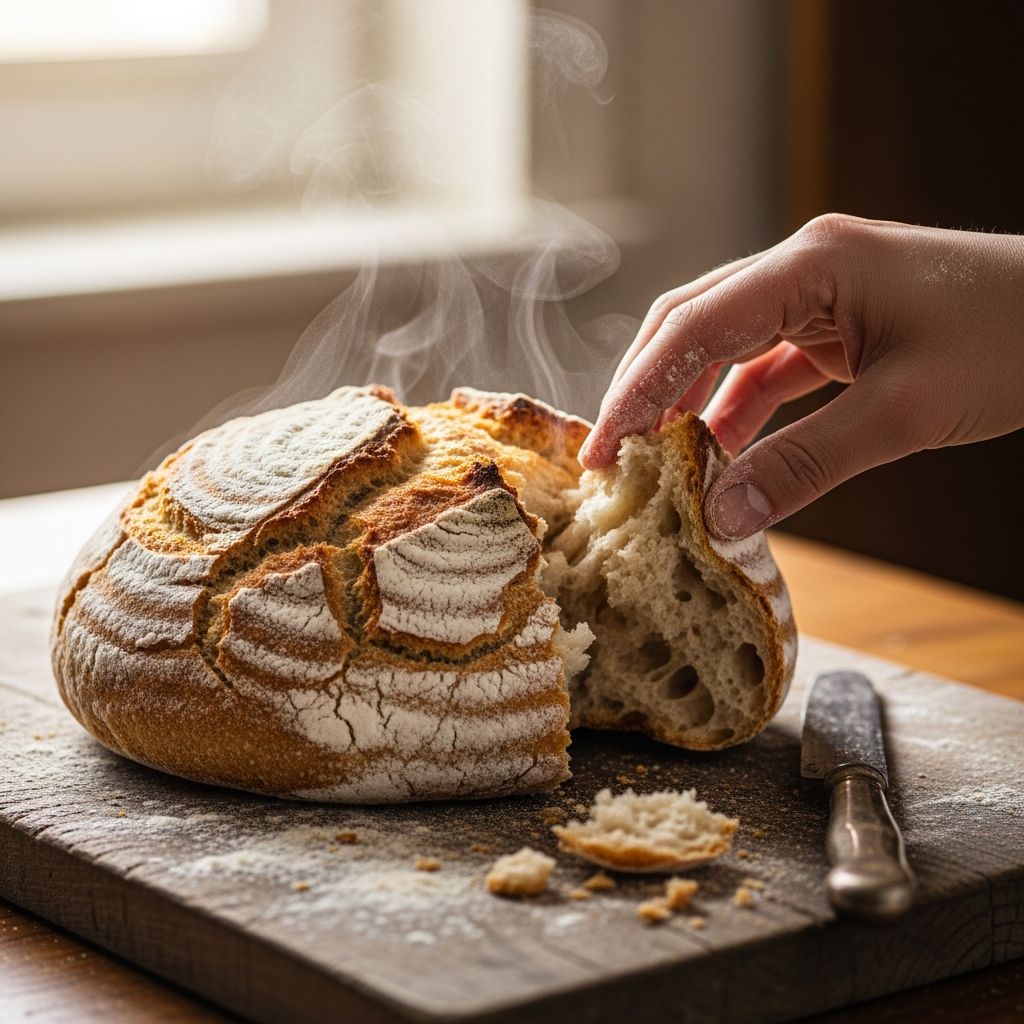
Bread is a staple in most households, but getting the freshest loaf and keeping it that way can be tricky. From choosing the right bread at the bakery or grocery store to proper storage techniques and even reviving day-old loaves, these strategies ensure you enjoy peak freshness, flavor, and texture while minimizing waste and saving money.
Understanding Bread Freshness
Bread freshness is determined by several factors including baking date, ingredients, packaging, and handling.
Commercial bread
often contains preservatives that extend shelf life, butartisan or bakery-fresh bread
peaks within hours of baking due to natural ingredients like water, flour, yeast, and salt. The staling process, known as retrogradation, occurs when starch molecules recrystallize, making bread firm and dry. Moisture loss and mold growth are the main enemies after that.To gauge freshness, look beyond the sell-by date. Squeeze the loaf gently—a fresh one springs back. Smell for a yeasty, wheaty aroma without sourness. The crust should be crisp on bakery bread or soft on sandwich loaves.
How to Pick the Freshest Bread at the Store
Selecting the right loaf starts at the point of purchase. Here’s how to decode bakery and grocery store practices:
- Check the baking schedule: Bakeries bake multiple times daily. Arrive early morning or late afternoon for the hottest, freshest batches. Many stores post schedules—morning for white breads, afternoon for specialty loaves.
- Avoid end-of-day discounts initially: Marked-down bread is often baked early and has sat out. Opt for fresh bakes unless you’re buying to freeze.
- Examine packaging: Bread in paper bags stays crisper; plastic traps moisture leading to sogginess. For sliced bread, choose the center loaf in a stack—ends dry out faster.
- Supermarket hacks: In grocery stores, fresh bread is often in dedicated racks near the bakery. Ignore ‘fresh baked’ labels on par-baked loaves—they’re reheated and stale quickly.
- Artisan vs. mass-produced: Artisan bread has no preservatives, so buy only what you’ll eat in 2-3 days. Mass-produced lasts longer but sacrifices flavor.
| Bread Type | Peak Freshness Window | Best Buying Time |
|---|---|---|
| Sandwich Bread | 3-5 days | Morning |
| Artisan Sourdough | 1-2 days | Any bake time |
| Baguette | Hours | Hot from oven |
| Whole Grain | 4-7 days | Afternoon |
Signs of a Fresh Loaf
Visual and tactile cues are key:
- Crust: Golden-brown, shiny on enriched doughs; matte on lean breads. No greasy feel.
- Crumb: Moist, even holes in artisan; soft and springy in soft breads.
- **Sound:** Tap the bottom—it should sound hollow.
- Weight: Heavier loaves retain more moisture.
- Avoid: Pale crusts, wrinkled packaging, or off odors indicate age.
Storing Bread for Maximum Freshness
Improper storage accelerates staling. Follow these rules:
Short-Term Storage (1-3 Days)
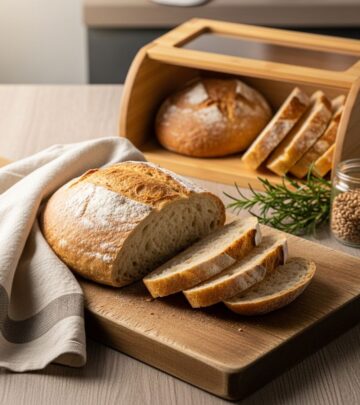
- Keep at room temperature in a
bread box
or paper bag. Plastic bags work for soft breads but cause mold on crusty ones. - Store upright to prevent squishing.
- Avoid fridge—cold speeds retrogradation.
Long-Term Storage
- Freezing is best: Slice first, wrap tightly in plastic then foil or freezer bag. Label with date. Thaw in toaster or at room temp.
- Frozen bread lasts 2-3 months without quality loss.
Pro tip: For partial loaves, store cut-side down on a board to protect the crumb.
Reviving Stale Bread
Don’t toss day-old bread—revive it! The oven method rehydrates starch:
- Preheat oven to 350°F (175°C).
- Spritz loaf lightly with water.
- Wrap loosely in foil or place on baking sheet.
- Heat 5-10 minutes until crust crisps.
Alternatives:
- Microwave: Damp paper towel, 10 seconds—good for slices only.
- Grill or pan-toast: For ultimate crunch.
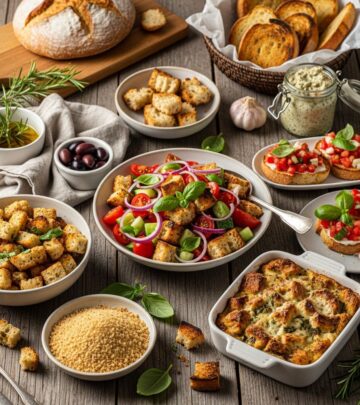
Using Day-Old Bread Creatively
Transform stale loaves into delights:
- Croutons: Cube, oil, season, bake at 400°F for 10 mins.
- Breadcrumbs: Process dried chunks in food processor; freeze extras.
- French toast or pudding: Soak in egg-milk mix.
- Panzanella salad: Toss with tomatoes, cukes, vinaigrette.
- Strata or stuffing: Layer with veggies, cheese, eggs.
Bread Types and Their Freshness Profiles
Different breads stale differently:
- Enriched (brioche, challah): Softens quickly; freeze early.
- Lean (baguette, ciabatta): Dries fast but revives well.
- Sourdough: Naturally longer-lasting due to acidity.
- Whole grain: Oils in grains rancidify; eat within week.
Common Bread Storage Mistakes
- Fridge storage—accelerates staling.
- Sealing crusty bread in plastic—traps steam.
- Leaving cut end exposed—dries crumb.
- Overbuying without freezing plan.
Cost-Saving Tips with Fresh Bread
Buy bakery ends/seconds cheaply, freeze, and revive. Shop sales, bake your own for ultimate freshness. Reduce waste to save $50-100/year per household.
Frequently Asked Questions (FAQs)
Can you freeze bread?
Yes, slice and freeze in airtight bags for up to 3 months. Thaw and toast for freshness.
Why does bread stale faster in the fridge?
Cold temps cause starch retrogradation, making it firmer faster than room temp.
How do you know if bread is too old?
Mold spots, sour smell, or overly hard texture. If no mold, revive or repurpose.
What’s the best container for bread?
Bread box or paper bag for crusty; beeswax wrap or plastic for soft.
Does homemade bread last longer?
No preservatives mean shorter shelf life, but superior flavor—eat or freeze promptly.
Expert Tips from Bakers
Bakers recommend: Cool bread fully before bagging (2 hours). Use linen bags for breathability. For humid climates, add a potato slice to absorb excess moisture.
Incorporating these techniques means less waste, better taste, and smarter spending. Master the bread code for loaves that stay delicious longer.
References
- USDA FoodKeeper App: Bread Storage Guidelines — United States Department of Agriculture. 2023-05-15. https://www.foodsafety.gov/keep-food-safe/foodkeeper-app
- Understanding Bread Staling (Retrogradation) — Journal of Cereal Science (Peer-reviewed). 2022-10-01. https://doi.org/10.1016/j.jcs.2022.103456
- Freezing and Thawing Bakery Products — American Society of Baking. 2024-01-20. https://asbe.org/resources/freezing-bakery-products
- Food Waste Reduction: Bakery Best Practices — FDA Food Waste Guidelines. 2023-11-10. https://www.fda.gov/food/consumers/food-waste-and-recycling
- Artisan Bread Handling and Storage — Bread Bakers Guild of America. 2024-03-05. https://www.bbga.org/resources/storage
Similar Articles








Read full bio of medha deb