Will Breaking My Lease Hurt My Credit Score?
Understand how breaking a lease affects your credit score and what steps to take.
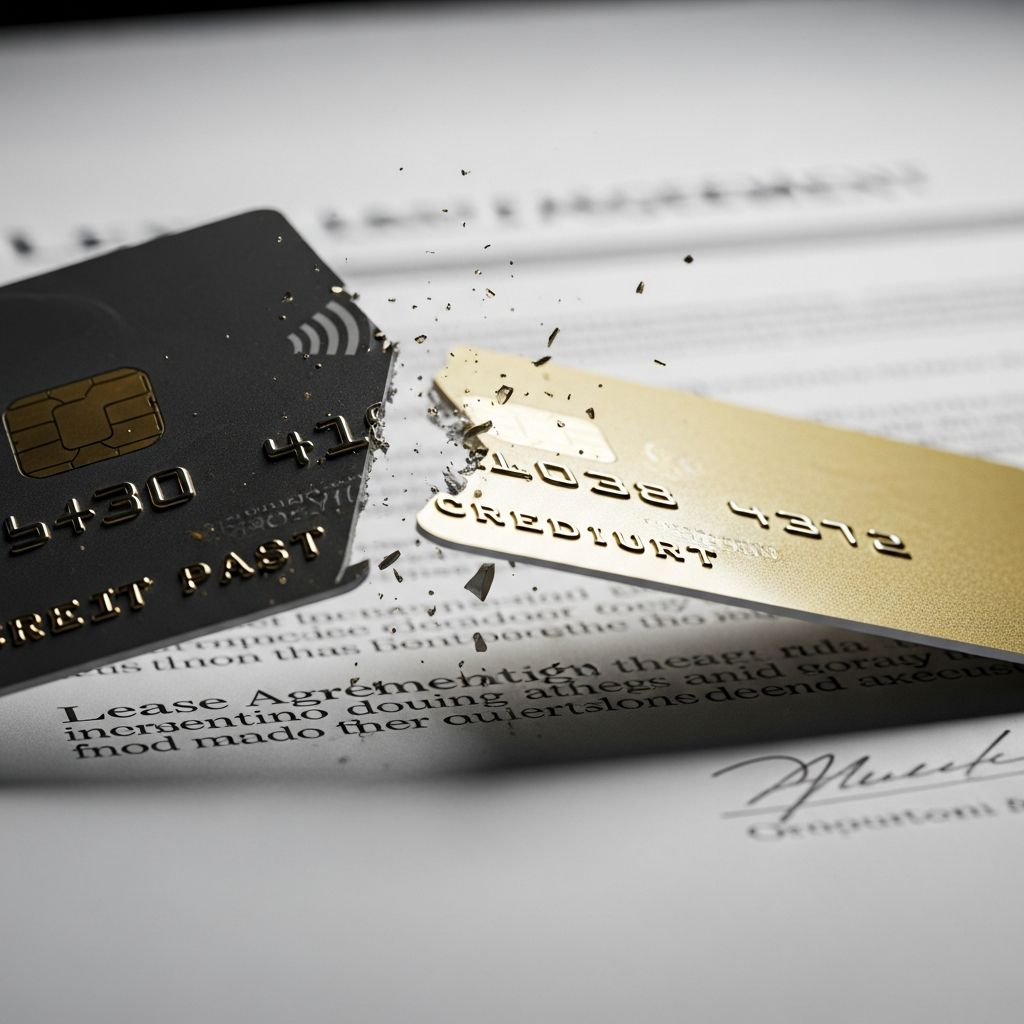
Life circumstances change, and sometimes you may need to move before your lease expires. Whether you’re relocating for a job, dealing with personal challenges, or simply need a change of scenery, breaking a lease early can feel like the only option. However, many renters worry about the consequences, particularly how it might affect their credit score. The short answer is: it depends on how you handle the situation and whether you pay what you owe.
Breaking a lease itself won’t automatically appear on your credit report or tank your credit score. However, the financial obligations that come with breaking a lease—and your ability to pay them—can significantly impact your creditworthiness. Understanding these nuances is crucial before making the decision to break your lease.
How Breaking a Lease Works
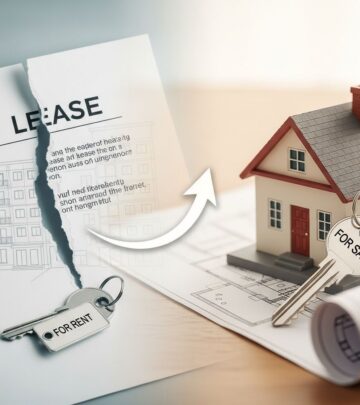
When you decide to break a lease, you’re essentially violating a legal agreement between you and your landlord. Your lease is a contract that binds you to pay rent for a specific period. Breaking that agreement typically comes with financial consequences that vary depending on your lease terms and local rental laws.
Most leases include clauses outlining what happens if you leave early. These terms may specify early termination fees, which can range from a flat fee to several months’ worth of rent. Your landlord may also charge you for any damages beyond normal wear and tear, and you could lose your security deposit entirely if you break the lease, even if there’s no damage to the property. Additionally, you may be responsible for rent until your landlord finds a suitable replacement tenant.
The specific penalties vary significantly from landlord to landlord and depend on local rental laws. In some cases, landlords are legally required to mitigate damages by actively seeking a new tenant. In other jurisdictions, you might owe rent for the entire remaining lease term regardless of whether the unit sits vacant.
When Breaking a Lease Affects Your Credit Score
The critical distinction to understand is that breaking a lease itself doesn’t hurt your credit. Instead, what damages your credit is unpaid debt related to breaking your lease. Here’s how the chain of events typically unfolds:
The Path to Credit Damage
Step 1: Unpaid Financial Obligations — When you break your lease and don’t pay the associated fees, penalties, or remaining rent, you accumulate debt with your landlord.
Step 2: Collection Agency Referral — If you don’t pay these outstanding amounts, your landlord can send your account to a collection agency. This typically happens within 60 to 90 days of the debt becoming delinquent.
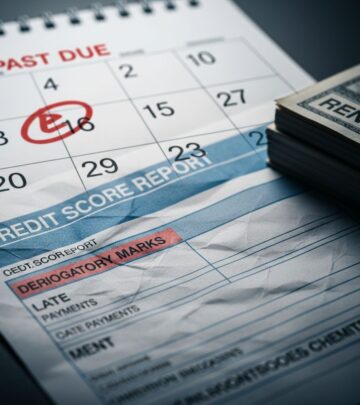
Step 3: Credit Bureau Reporting — Once the collection agency obtains your account, they may report it to one or more of the three major credit bureaus: Equifax, Experian, or TransUnion. This is when the negative mark appears on your credit report.
Step 4: Credit Score Impact — A collection account on your credit report can significantly lower your credit score, sometimes by 100 points or more, depending on your current score and credit history.
The Seven-Year Problem
Once a collection account appears on your credit report, it can remain there for up to seven years from the date of first delinquency. This extended timeline means that breaking a lease and failing to pay can have long-lasting consequences on your financial life. Even after you eventually pay the debt, the collection record stays on your report, continuing to damage your creditworthiness throughout that seven-year period.
Types of Debts That Can Hurt Your Credit
Several types of financial obligations arising from breaking a lease can end up in collections and damage your credit:
Back Rent
If you break your lease after living in the apartment for several months, you may owe rent for the remaining lease term. For example, if you break a 12-month lease after 3 months and the landlord cannot find a replacement tenant, you could be liable for 9 months of rent.
Early Termination Fees
Many leases include explicit early termination fees. These can range from one month’s rent to several months’ worth, depending on how far in advance you’re breaking the lease and what your lease specifies.
Damage Charges
Any damage to the apartment beyond normal wear and tear becomes your financial responsibility. If your security deposit doesn’t cover these costs, you owe the additional amount to your landlord.
Cleaning and Restoration Costs
Some landlords may charge additional fees for cleaning or restoring the unit to its original condition if you leave it in poor shape.
What Doesn’t Hurt Your Credit
It’s equally important to understand what doesn’t directly damage your credit when you break a lease. Rental payment history typically doesn’t appear on credit reports unless your landlord reports it through a rent-reporting service. Many landlords don’t use these services, which means on-time rent payments won’t build your credit, and breaking a lease by itself—without unpaid debts—won’t show up on your credit report.
Additionally, while an eviction record can make it extremely difficult to rent in the future, it doesn’t appear on your credit report itself. However, it will show up in tenant-screening databases and rental history reports that landlords check during the application process.
How Much Can Your Credit Score Drop?
The exact impact on your credit score depends on several factors, including your current credit score, the size of the debt, and your overall credit history. According to the Consumer Financial Protection Bureau (CFPB), collection accounts are among the most damaging items for your credit score. A collection account can reduce your FICO score by anywhere from 50 to over 200 points, depending on these variables.
If your credit score was already lower (in the 600-650 range), the impact might be less dramatic in absolute terms but more severe in relative terms, since you’re working with fewer points to begin with. Conversely, if you have an excellent credit score (750+), a collection account can have a more pronounced effect because you’re losing a larger percentage of your score.
Beyond Credit Score: Other Consequences
While credit score damage is significant, breaking a lease and failing to pay can have additional serious consequences:
Difficulty Securing Future Housing
Landlords routinely check credit scores and rental histories before approving tenants. An unpaid collection account related to a broken lease signals to potential landlords that you may not honor your rental agreements. This can make it significantly harder to secure housing, or you may face higher deposits or additional requirements.
Wage Garnishment
In some cases, if your landlord pursues legal action and wins a judgment against you, they may be able to garnish your wages. This means a portion of your paycheck could be withheld each pay period until the debt is repaid.
Loan and Credit Card Rejection
A low credit score and collections account make it difficult to qualify for personal loans, auto loans, mortgages, or credit cards. Lenders view these negatively as signs of financial irresponsibility.
Higher Interest Rates
If you do qualify for credit with a damaged score, you’ll face significantly higher interest rates, which increases the long-term cost of borrowing.
How to Break Your Lease Without Hurting Your Credit
If you need to break your lease, there are strategies to minimize or eliminate credit damage:
Pay All Outstanding Obligations
The most straightforward way to protect your credit is to pay everything you owe. Review your lease carefully to understand all potential charges, and pay your landlord before moving out. This prevents the debt from ever reaching a collection agency.
Communicate With Your Landlord
Open communication can be remarkably effective. Explain your situation honestly and as early as possible. Many landlords are willing to negotiate early termination terms, especially if you help them find a replacement tenant or offer to pay a portion of remaining rent. Getting a written agreement about what you owe can prevent disputes later.
Explore Lease Transfer Options
Some leases allow you to transfer your lease to another tenant. This lets you leave without breaking the lease, as the new tenant takes over your obligations. Websites and social media groups often facilitate lease transfers in major cities.
Negotiate a Settlement
If paying the full amount is impossible, try negotiating with your landlord. Many landlords prefer receiving partial payment to sending an account to collections, as collection agencies take a percentage of recovered funds. A settlement agreement for less than the full amount may be possible.
Consult Legal Resources
Tenant-tenant lawyer or a local tenants’ rights organization can provide guidance specific to your jurisdiction. Some areas have strong tenant protections that limit how much landlords can charge for breaking a lease. Understanding your rights is crucial before making agreements.
Monitoring Your Credit Report
Whether you break your lease or not, regularly monitoring your credit report is essential. You’re entitled to one free credit report annually from each of the three major bureaus through AnnualCreditReport.com. Review these reports carefully for any errors or unauthorized entries.
If you find a collection account related to your broken lease, verify it’s accurate. If there are errors—such as incorrect amounts, wrong dates, or accounts that have already been paid—you have the right to dispute them with the credit bureau.
Frequently Asked Questions
Q: Will breaking my lease directly show up on my credit report?
A: No, breaking a lease itself doesn’t appear on your credit report. Only unpaid debts resulting from breaking a lease, once reported to collections, will show up on your credit report.
Q: How long does a broken lease stay on my credit report?
A: If it results in a collection account, it can remain on your credit report for up to seven years from the date of first delinquency. After seven years, it should automatically fall off.
Q: Can I get an eviction record removed from my credit report?
A: Eviction records don’t appear on credit reports, but they do show up in tenant-screening databases. You may be able to have them removed by settling your debt or reaching an agreement with your former landlord, though options vary by jurisdiction.
Q: What if I pay my collection debt later—does it disappear from my credit report?
A: Paying a collection account doesn’t remove it from your credit report, though it will update the status to “paid.” The record can still remain for up to seven years, though a paid collection has less negative impact than an unpaid one.
Q: Does rent payment history affect my credit score?
A: Typically, no. Most landlords don’t report rent payments to credit bureaus. Only unpaid rent that goes to collections affects your credit score. Some landlords may use rent-reporting services, which could help build your credit with on-time payments.
Q: What should I do before breaking my lease?
A: Review your lease thoroughly, understand all financial obligations, communicate with your landlord immediately, explore alternatives like lease transfers or subleasing, and consider consulting with a tenant rights lawyer in your area.
References
- How Breaking a Lease Can Impact Your Credit Score — Equifax. 2024. https://www.equifax.com/personal/education/credit/score/articles/-/learn/effects-of-breaking-lease-on-credit-score/
- Does Breaking a Lease Affect Your Credit? — Experian. 2024. https://www.experian.com/blogs/ask-experian/does-breaking-a-lease-affect-your-credit/
- When Breaking a Lease Hurts Your Credit — American Express. 2024. https://www.americanexpress.com/en-us/credit-cards/credit-intel/what-happens-if-you-break-a-lease/
- Does Breaking Your Lease Affect Your Credit Score? — Bankrate. 2024. https://www.bankrate.com/personal-finance/credit/does-breaking-your-lease-affect-your-credit/
- Does Breaking a Lease Hurt Your Credit? A Tenant’s Guide — LeaseRunner. 2025. https://www.leaserunner.com/blog/does-breaking-a-lease-hurt-your-credit
- Information About Collections — Consumer Financial Protection Bureau (CFPB). https://www.consumerfinance.gov/
Similar Articles








Read full bio of Sneha Tete