Brand: Definition, Importance, Types & Equity
Discover top-rated cat toothbrushes to maintain your feline's dental health and fresh breath.
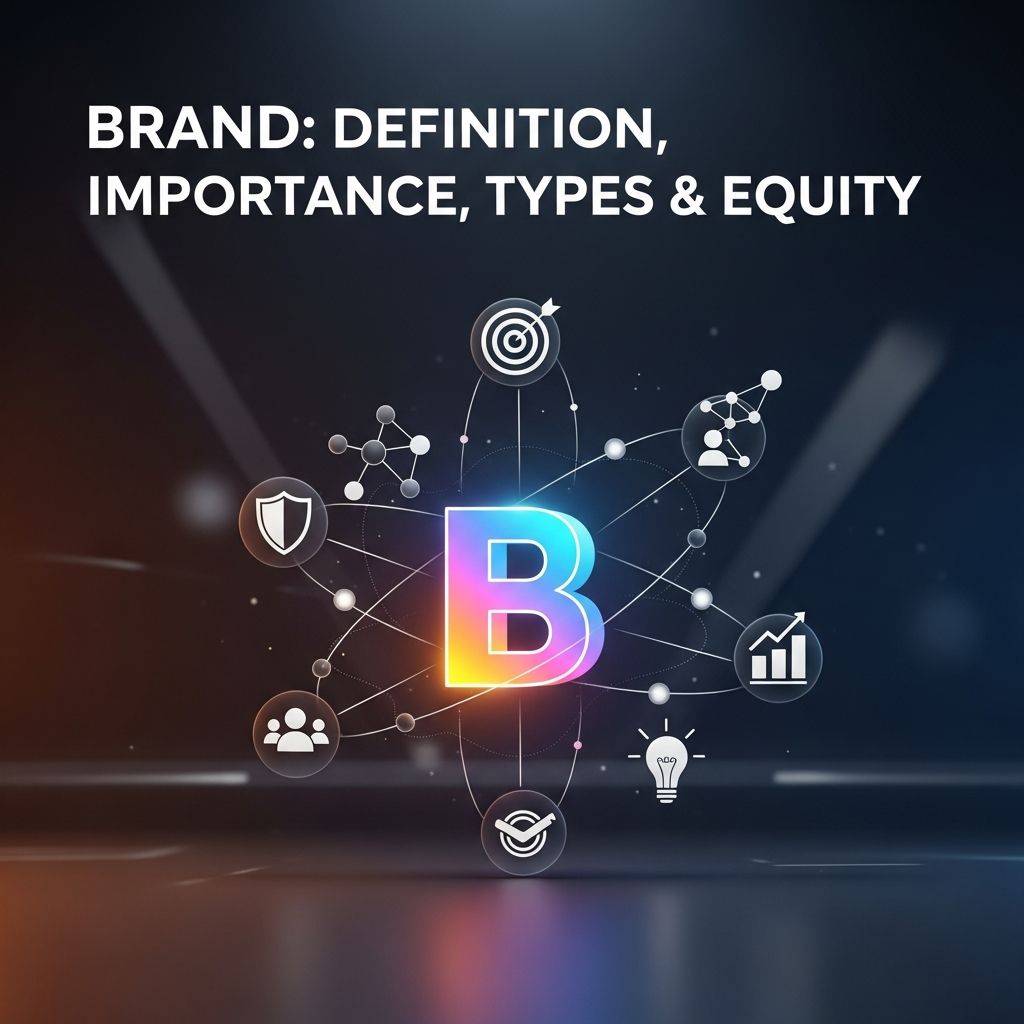
What Is a Brand?
A brand is a distinctive identity or image created by a company for its products or services to differentiate them from competitors. It encompasses the name, logo, design, symbols, and overall perception consumers hold about a business. More broadly, a brand represents the promise a company makes to its customers regarding quality, values, and experience. The term comes from the practice of branding livestock with a mark to indicate ownership, and today it serves a similar purpose in the marketplace—identifying and distinguishing business offerings.
Brands are intangible assets that hold significant monetary value. They are built through consistent messaging, quality products, customer service, and emotional connections with consumers. A strong brand can command premium pricing, attract loyal customers, and create sustainable competitive advantages.
The Importance of Branding
Branding plays a crucial role in modern business strategy for several reasons:
- Differentiation: In saturated markets, strong branding helps companies stand out from competitors and occupy a unique position in consumers’ minds.
- Customer Recognition: Established brands are easily recognized and recalled, making purchasing decisions faster and more intuitive for consumers.
- Trust and Credibility: Well-known brands with consistent quality and messaging build trust, reducing perceived risk for customers.
- Premium Pricing: Strong brands can charge higher prices than competitors because customers perceive greater value and quality.
- Customer Loyalty: Emotional connections with brands encourage repeat purchases and reduce customer churn.
- Business Growth: Powerful brands expand more easily into new markets and product categories through brand extensions.
- Employee Pride: Strong brands attract talent and improve employee satisfaction and retention.
Types of Brands
Brands come in various forms depending on ownership structure and market positioning:
Product Brands
These are brands associated with specific products or product lines. Examples include Apple for technology, Coca-Cola for beverages, and Nike for athletic wear. Product brands focus on distinguishing particular offerings in the marketplace.
Service Brands
Service-based companies develop brands around their service offerings rather than tangible products. Examples include Uber for ride-sharing, Accenture for consulting, and Mayo Clinic for healthcare services.
Corporate Brands
These represent the parent company and may encompass multiple product brands under one umbrella. Examples include Samsung, which produces electronics, appliances, and displays, or Berkshire Hathaway, which owns diverse subsidiaries.
Personal Brands
Individuals can build personal brands by establishing themselves as experts, influencers, or thought leaders in their fields. Many entrepreneurs, consultants, and public figures develop personal brands.
Co-Brands
Two or more companies collaborate to create a joint brand or offering. Examples include Nike and Apple collaborating on fitness technology or partnerships between fashion and technology companies.
Private Label Brands
Retailers develop their own brands sold exclusively in their stores. Examples include Whole Foods’ 365 brand or Target’s Good & Gather line.
Brand Equity
Brand equity refers to the value a brand adds to a product or service beyond its functional attributes. It represents the additional price consumers are willing to pay due to brand reputation and recognition. Strong brand equity creates competitive advantages and financial value.
Components of Brand Equity
- Brand Awareness: How well consumers recognize and recall the brand. High awareness increases the likelihood of purchase consideration.
- Brand Perception: The beliefs and feelings consumers associate with the brand, shaped by marketing, advertising, and actual experiences.
- Brand Association: Mental connections between the brand and desirable attributes, such as luxury, reliability, innovation, or sustainability.
- Brand Loyalty: The degree to which customers commit to repurchasing from the brand despite competitive alternatives.
Measuring Brand Equity
Companies measure brand equity through various methods:
- Price premium analysis—comparing the brand’s price to generic alternatives
- Customer satisfaction surveys and Net Promoter Score (NPS)
- Brand valuation models that estimate monetary worth
- Market share analysis relative to competitors
- Customer retention rates and lifetime value
- Social media sentiment analysis and engagement metrics
Brand Loyalty and Customer Retention
Brand loyalty occurs when customers consistently choose a brand over competitors despite available alternatives. Loyal customers exhibit repeat purchase behavior, recommend the brand to others, and remain less price-sensitive.
Factors That Drive Brand Loyalty
- Quality Consistency: Delivering consistently high-quality products or services builds trust and confidence in the brand.
- Emotional Connection: Brands that resonate emotionally with customers’ values and lifestyles foster deeper loyalty.
- Superior Customer Service: Exceptional support and responsiveness strengthen customer relationships.
- Brand Community: Creating spaces where customers connect and share experiences reinforces loyalty.
- Reward Programs: Loyalty programs and incentives encourage repeat purchases and increase customer lifetime value.
- Authenticity: Brands that stay true to their values and deliver on promises build credibility.
Building and Maintaining a Strong Brand
Developing a strong brand requires strategic planning and consistent execution:
Define Brand Identity
Establish a clear brand purpose, mission, vision, and core values. This foundation guides all branding decisions and ensures consistency across touchpoints.
Understand Your Audience
Conduct market research to identify target customers, their needs, preferences, and pain points. Tailor branding messages to resonate with your specific audience.
Create Visual Identity
Develop a distinctive logo, color palette, typography, and design elements that are instantly recognizable and memorable.
Maintain Consistency
Apply brand guidelines consistently across all channels—websites, packaging, advertising, social media, and customer interactions.
Deliver Quality Experiences
Every customer interaction should reflect brand promises. Quality products, excellent service, and reliable delivery strengthen brand reputation.
Communicate Authentically
Be transparent about brand values, admit mistakes when they occur, and engage genuinely with customers. Authenticity builds trust and loyalty.
Adapt and Innovate
While maintaining core identity, brands must evolve to stay relevant. Monitor market trends, listen to customer feedback, and innovate thoughtfully.
Brand Positioning and Differentiation
Brand positioning refers to how a company positions its brand relative to competitors in the consumer’s mind. Effective positioning clearly communicates why consumers should choose your brand over alternatives.
Differentiation strategies include:
- Quality differentiation—emphasizing superior product quality or performance
- Price differentiation—positioning as premium or budget-friendly
- Innovation differentiation—highlighting cutting-edge technology or design
- Emotional differentiation—connecting on values and lifestyle
- Service differentiation—emphasizing exceptional customer support
Real-World Brand Examples
Several globally recognized brands exemplify strong branding principles:
- Apple: Built on innovation, design excellence, and creating emotional connections with tech-savvy consumers.
- Nike: Positioned around athletic performance, inspiration, and the power of human achievement.
- Coca-Cola: Established through consistent messaging about happiness, togetherness, and refreshment for over a century.
- Tesla: Differentiated through innovation in electric vehicles and sustainability messaging.
- Starbucks: Created a lifestyle brand around coffee culture and community spaces.
The Digital Age and Brand Management
Digital transformation has fundamentally changed brand management. Social media, online reviews, and digital marketing require brands to:
- Engage directly with customers through social platforms
- Monitor and respond to online sentiment in real-time
- Create authentic content that resonates with digital-native audiences
- Manage brand reputation across multiple online channels
- Leverage influencers and user-generated content strategically
Frequently Asked Questions (FAQs)
Q: What is the difference between a brand and a logo?
A: A logo is a visual symbol representing the brand, while a brand encompasses the entire perception, values, experience, and identity associated with a company. A logo is one component of brand identity, not the entirety of it.
Q: Can small businesses build strong brands?
A: Yes. While large corporations have more resources, small businesses can build strong brands by finding unique niches, delivering exceptional quality, building genuine customer relationships, and maintaining consistency. Many successful small brands prove this principle.
Q: How long does it take to build a strong brand?
A: Building a strong brand typically takes years of consistent effort. While initial recognition can develop relatively quickly, deep brand equity requiring customer loyalty and premium positioning takes time—often 3-5 years or longer.
Q: What is the monetary value of a brand?
A: Brand value is often calculated as the premium price customers pay above generic alternatives, multiplied by sales volume. For major corporations, brand value can reach billions of dollars. Apple and Amazon are among the most valuable brands globally.
Q: How do brands use storytelling?
A: Brands use storytelling to create emotional connections with audiences. Effective brand stories communicate company values, origin, mission, and how the brand improves customers’ lives, making the brand more memorable and relatable.
Q: What role does sustainability play in modern branding?
A: Increasingly, consumers expect brands to demonstrate environmental and social responsibility. Sustainable branding—through eco-friendly practices, ethical sourcing, and transparent communication—has become essential for attracting conscious consumers and building lasting brand equity.
References
- Branding and Brand Management — American Marketing Association. 2024. https://www.ama.org
- What Is Brand Equity? — Harvard Business School. 2023. https://www.hbs.edu
- The Power of Branding — Forbes. 2024. https://www.forbes.com
- Brand Loyalty and Customer Retention Strategies — McKinsey & Company. 2024. https://www.mckinsey.com
- Global Brand Valuation Report — Interbrand. 2024. https://www.interbrand.com
Similar Articles








Read full bio of medha deb