Bounced Check: Definition, Causes, Fees, and Prevention
Understanding bounced checks: causes, consequences, and how to prevent costly NSF fees.
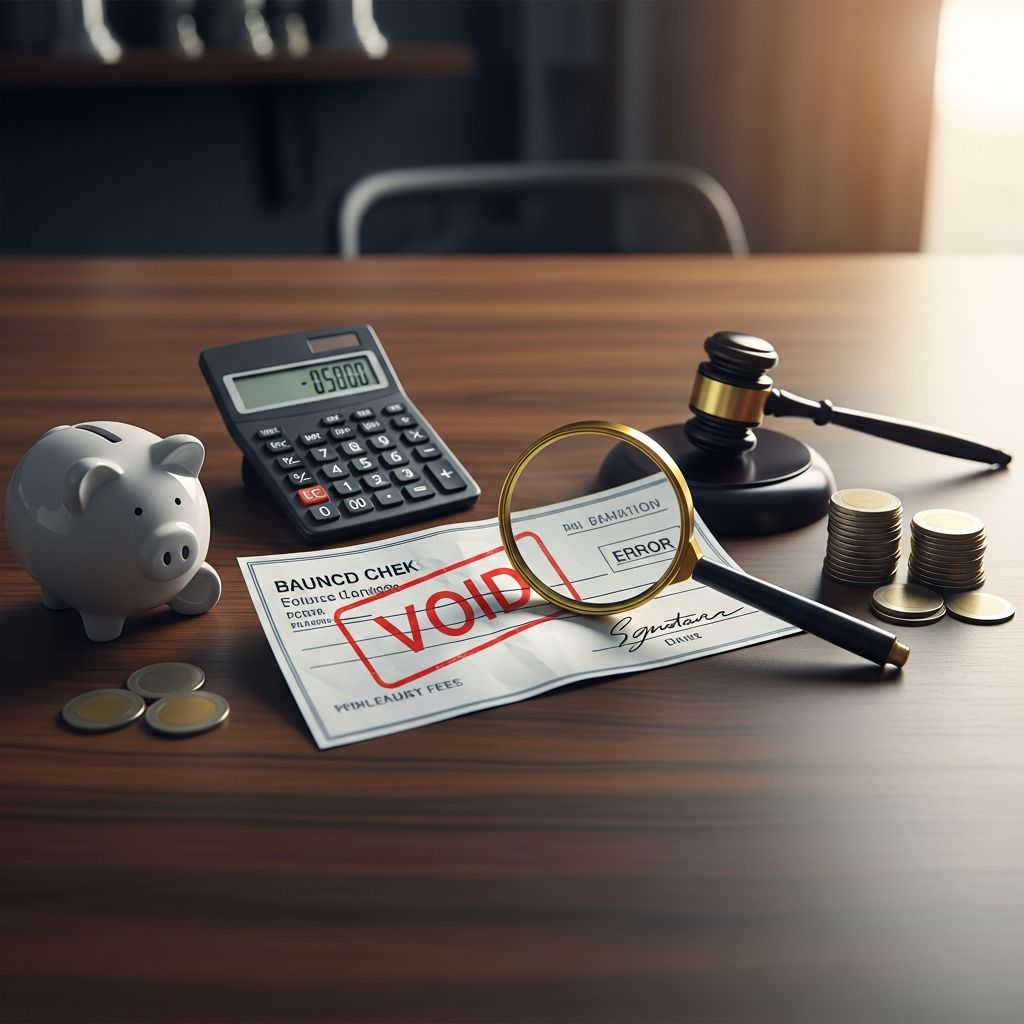
What Is a Bounced Check?
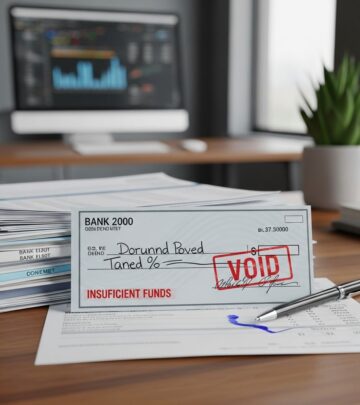
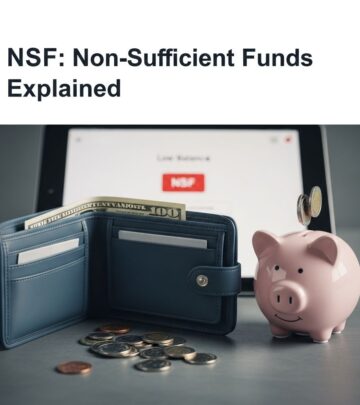
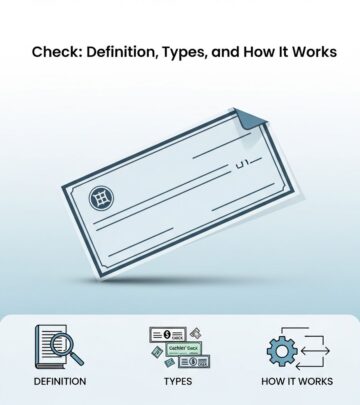
A bounced check, also known as a rubber check or NSF check, is a check that a bank cannot process because the account holder does not have sufficient funds to cover the amount written on the check. When you write a check, you are instructing your bank to transfer money from your account to the recipient. If your account balance is lower than the check amount, the bank will refuse to process it, causing the check to “bounce” back to the sender or recipient unpaid.
Bounced checks can be frustrating and costly for both the person who wrote the check and the person who tried to cash it. The consequences extend beyond simple inconvenience, often resulting in significant financial penalties, damaged banking relationships, and potential legal complications.
How Bounced Checks Work
Understanding the mechanics of how a check bounces can help you avoid this situation. Here is the step-by-step process:
- You write a check and provide it to the payee as payment.
- The payee deposits the check at their bank or attempts to cash it.
- The payee’s bank sends the check to your bank for payment processing.
- Your bank verifies the information on the check, including your signature and the account number.
- Your bank checks your account balance to determine if sufficient funds are available.
- If your account lacks sufficient funds, your bank rejects the check and marks it as “Bounced” or “Non-Sufficient Funds (NSF).”
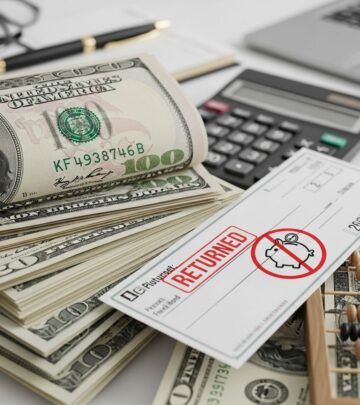
- The check is returned to the payee or their bank unpaid.
Throughout this process, if any discrepancies exist in the check details or if your account is frozen or closed, the bank may refuse to process the check. Banks are required to make at least a portion of deposited funds available quickly to the recipient, but if a check bounces after funds appear in an account, the bank may reverse those funds.
Common Causes of Bounced Checks
Several factors can lead to a check bouncing. Understanding these causes can help you take preventive measures:
Insufficient Funds
The most common reason checks bounce is insufficient funds in the checking account. This typically occurs when account holders lose track of their balance or fail to account for pending transactions and automatic bill payments. For example, if you write a check for $1,500 but only have $1,000 in your account, the check will bounce when the payee attempts to cash it. Delayed deposits, such as a late paycheck or a check that takes longer to clear, can also create unexpected shortfalls.
Frozen or Closed Accounts
If your bank account is frozen due to legal action, suspicious activity, or other regulatory reasons, the bank cannot process any checks drawn on that account. Similarly, if you close your account but someone tries to deposit a check you wrote before closing it, that check will bounce.
Check Writing Errors
Simple mistakes can cause checks to bounce. These errors include incorrect dates, wrong amounts, misspelled names, illegible signatures, or missing information. If the bank cannot verify the check’s authenticity or the details don’t match the bank’s records, the check will be rejected.
Fraudulent or Altered Checks
If a check appears to be forged or has been altered, the bank will flag it and refuse payment. Banks have sophisticated verification systems to detect fraudulent checks and protect both account holders and recipients.
Stop Payment Orders
If you have issued a stop payment order on a specific check, your bank will refuse to process it when presented for payment.
Stale-Dated Checks
Checks that are more than six months old are considered stale-dated and may not be processed by banks.
Consequences and Fees Associated with Bounced Checks
Bouncing a check carries significant financial and personal consequences for both the check writer and the recipient.
NSF Fees and Bank Penalties
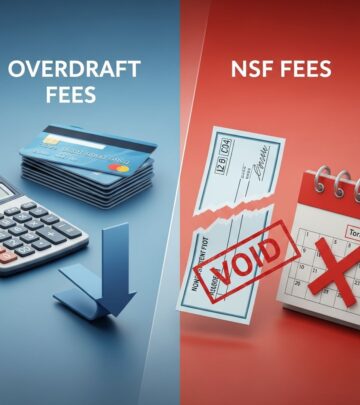
When a check bounces, both the check writer and the recipient may be charged a non-sufficient funds (NSF) fee by their respective banks. These fees vary by financial institution but typically range from $25 to $35 per bounced check. If you write multiple bounced checks, these fees can accumulate quickly, adding substantial costs to your finances.
Outstanding Debt
When a check bounces, the payee does not receive the intended funds, meaning you remain responsible for the original debt. For example, if your rent check bounces, your landlord still hasn’t been paid, and you are late on rent. You will need to pay the original amount plus any late fees or penalties imposed by the creditor.
Damaged Banking Reputation
Bouncing checks can damage your relationship with your bank and other financial institutions. Banks track customers who frequently bounce checks, and this history may affect your ability to open new accounts or access certain banking services in the future.
Potential Credit Implications
While bounced checks are not directly reported to credit bureaus, they can indirectly affect your credit score. If a bounced check causes you to miss a payment deadline on an account that reports to credit bureaus (such as a loan or credit card), your credit score may be negatively impacted.
Legal and Criminal Liability
In some cases, bouncing checks can lead to legal consequences. If you knowingly write a check with insufficient funds, you may face criminal charges for fraud or writing bad checks, depending on your state’s laws. The payee may also pursue civil legal action against you to recover the owed funds.
Delayed Payment Processing
The payee will generally have to wait for a new check to be issued or for alternative payment arrangements to be made, causing delays in receiving payment.
How to Avoid Bouncing Checks
Taking proactive steps can significantly reduce the risk of bouncing checks:
Monitor Your Account Balance Regularly
Check your account balance frequently through your bank’s app, website, or by calling customer service. Keep track of all transactions, including pending checks and automatic bill payments, to maintain an accurate understanding of your available funds.
Account for Pending Transactions
Don’t just look at your current balance; consider outstanding checks and scheduled automatic payments that haven’t yet cleared. Your available balance may be lower than your current balance, and writing checks based on your current balance can lead to bounces.
Keep a Check Register
Maintain a detailed record of every check you write, including the date, payee, amount, and purpose. This practice helps you track your spending and reconcile your account with your bank’s records regularly.
Set Up Overdraft Protection
Many banks offer overdraft protection, which automatically transfers funds from a linked savings account or credit line to cover bounced checks. While this service may charge a fee, it can prevent the embarrassment and larger costs associated with bounced checks.
Enable Balance Alerts
Most banks allow you to set up alerts that notify you when your account balance falls below a certain threshold. These alerts can help you avoid writing checks when insufficient funds are available.
Verify Check Details Before Submitting
Before writing a check, double-check all details, including the payee name, amount, date, and your signature. Ensure the information is legible and accurate.
Avoid Writing Checks During Financial Uncertainty
If you are uncertain about your account balance or expecting a delayed deposit, consider using alternative payment methods such as electronic transfers, debit cards, or credit cards.
What to Do If You Bounce a Check
If you accidentally bounce a check, take immediate action to resolve the situation:
- Contact the payee immediately to inform them of the situation and explain that you will resolve it.
- Provide alternative payment by issuing a new check (with sufficient funds), using a money transfer service, or providing cash.
- Cover any fees incurred by the payee due to the bounced check.
- Communicate with your bank to understand the NSF fee charged and discuss options for avoiding future occurrences.
- Review your account management practices to prevent similar situations in the future.
What to Do If You Receive a Bounced Check
If you are the recipient of a bounced check, you also have rights and options:
- Contact the check writer immediately to notify them of the bounce and request alternative payment.
- Document the bounced check by keeping records of the check, bank notification, and any communication with the check writer.
- Request reimbursement for NSF fees you incurred as a result of the bounced check.
- Send a demand letter via certified mail if the check writer refuses to pay or doesn’t respond.
- Consider legal action if the check writer continues to refuse payment, particularly for significant amounts.
Bounced Checks and Your Credit Score
An important clarification is that bounced checks themselves are not reported to the three major credit bureaus (Equifax, Experian, and TransUnion). However, the consequences of a bounced check can indirectly damage your credit. For instance, if a bounced rent check causes you to be reported as late to your landlord, and your landlord reports this to a credit agency, your credit score could be affected. Additionally, if a bounced utility or loan payment causes you to miss a payment deadline on an account that reports to the credit bureaus, your credit will be negatively impacted.
Electronic Checks and Bouncing
In today’s digital age, electronic checks (e-checks) and mobile check deposits have become increasingly common. The same principles apply to electronic checks as traditional paper checks—if your account lacks sufficient funds, the e-check will bounce, and you will incur NSF fees. Mobile check deposits are particularly convenient, but they carry the same risk of bouncing if your account cannot cover the amount.
Frequently Asked Questions
Q: How long does it take for a check to bounce?
A: The timing varies depending on your bank and the recipient’s bank. Generally, a check may take 1 to 5 business days to bounce after being deposited. Some banks provide faster processing through electronic check verification systems.
Q: Can I stop a check after I’ve written it?
A: Yes, you can place a stop payment order with your bank, which will prevent the check from being cashed. However, your bank will typically charge a fee (usually $25-$35) for this service.
Q: Will a bounced check affect my ability to get a loan or credit card?
A: While a single bounced check won’t directly affect your credit score, multiple bounces or a pattern of bounced checks may raise concerns for lenders and could impact your approval chances.
Q: What is the difference between a bounced check and a returned check?
A: These terms are often used interchangeably. Both refer to checks that the bank refused to process and returned unpaid.
Q: Is it illegal to bounce a check?
A: Accidentally bouncing a check is not illegal. However, knowingly writing a check with insufficient funds with the intent to defraud may constitute check fraud, which is a criminal offense.
Q: Can my bank override a bounced check?
A: Generally, no. Once a check bounces, your bank will not process it. However, if you have overdraft protection, your bank may transfer funds to cover the check.
Q: How many times can a check bounce before my bank closes my account?
A: This varies by bank and their policies. Most banks will close your account after multiple bounced checks or if they suspect fraudulent activity. Contact your bank for their specific policies.
References
- What Is a Bounced Check? Definition, Fees, Penalty, and Tips — Centier Bank. 2025-02-04. https://www.centier.com/resources/articles/article-details/what-is-a-bounced-check
- What is a bounced check and how do you avoid it? — Bankrate. 2025. https://www.bankrate.com/banking/checking/what-is-a-bounced-check/
- What Is a Bounced Check? — Citigroup Inc. 2025. https://www.citi.com/banking/personal-banking-guide/basic-finance/what-is-a-bounced-check
- What is a Bounced Check — PNC Financial Services Group Inc. 2025. https://www.pnc.com/insights/personal-finance/spend/what-is-a-bounced-check.html
- What is a Bounced Check? — Chase Bank USA N.A. 2025. https://www.chase.com/personal/banking/education/basics/what-happens-if-you-bounce-a-check
Similar Articles








Read full bio of Sneha Tete