Bot: Understanding Automated Trading Robots
Learn how trading bots automate financial markets and influence modern investing strategies.
What Is a Bot?
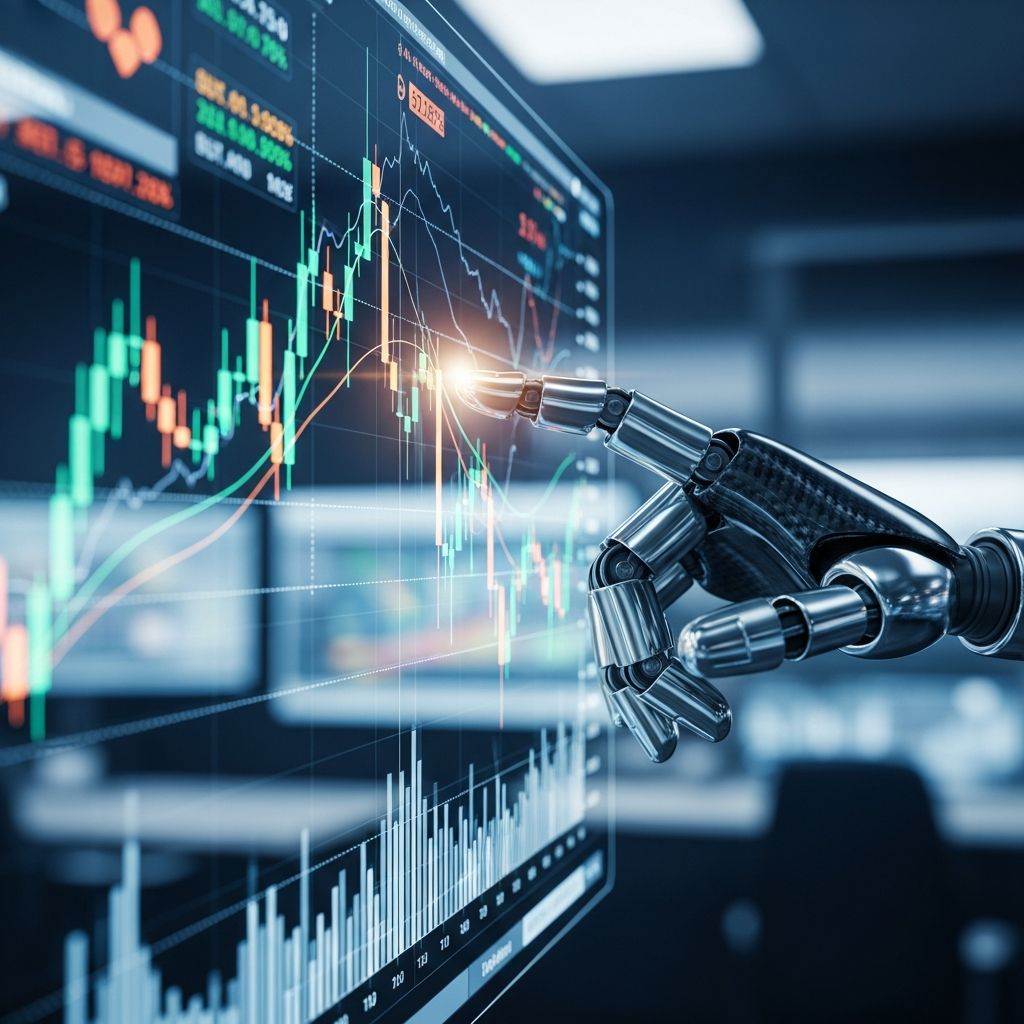
A bot, short for robot, in the financial context refers to an automated trading program designed to execute buying and selling transactions in financial markets without direct human intervention. These sophisticated software applications utilize algorithms and predetermined rules to make trading decisions, analyze market data, and execute orders at speeds and frequencies that would be impossible for human traders to achieve manually. Bots have become increasingly prevalent in modern financial markets, influencing everything from stock exchanges to cryptocurrency trading platforms.
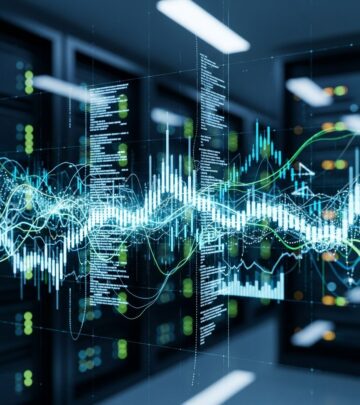
Trading bots operate continuously, monitoring market conditions and responding to price movements, technical indicators, and other market signals instantaneously. They can process vast amounts of data and execute thousands of trades per second, making them powerful tools for both retail and institutional investors seeking to capitalize on market opportunities.
How Bots Work in Financial Markets
Trading bots function through a combination of programming logic, market analysis tools, and direct connections to trading platforms or exchanges. The fundamental process involves several key steps:
- Data Collection: Bots continuously collect and analyze market data including price movements, trading volumes, historical patterns, and other relevant indicators from multiple sources in real-time.
- Signal Generation: Based on programmed algorithms and predefined trading rules, bots identify potential trading opportunities by detecting patterns or conditions that meet their criteria.
- Decision Making: The bot evaluates whether the identified signal meets the threshold for executing a trade based on risk parameters, portfolio allocation rules, and other constraints.
- Order Execution: Once a trading decision is made, the bot automatically submits buy or sell orders to the market at specified prices or market rates.
- Risk Management: Advanced bots implement stop-loss orders, position sizing, and other risk management protocols to protect against significant losses.
Types of Trading Bots
Various categories of trading bots exist, each designed with specific strategies and market applications in mind:
Algorithmic Trading Bots
These bots execute complex mathematical algorithms designed to identify patterns and exploit inefficiencies in market pricing. They often operate on technical analysis indicators such as moving averages, relative strength index (RSI), and Bollinger Bands. Algorithmic traders can process multiple variables simultaneously and adjust their strategies dynamically based on market conditions.
High-Frequency Trading (HFT) Bots
High-frequency trading bots are engineered to execute massive volumes of trades in microseconds, exploiting tiny price discrepancies across different markets or exchanges. These systems represent some of the most technologically advanced trading applications and are predominantly used by large financial institutions and hedge funds with substantial resources.
Arbitrage Bots
Arbitrage bots identify price differences for the same asset across different exchanges or markets. When a price discrepancy is detected, these bots simultaneously purchase the asset at the lower price and sell it at the higher price, capturing the spread as profit. This type of bot helps bring market prices into alignment across different venues.
Market-Making Bots
These bots provide liquidity by continuously quoting both buy and sell prices for financial instruments. Market-making bots profit from the bid-ask spread while facilitating smoother trading for other market participants.
Trend-Following Bots
Designed to capitalize on momentum, trend-following bots identify and trade in the direction of established market trends, either upward or downward, attempting to ride profitable price movements.
Advantages of Trading Bots
Trading bots offer numerous advantages that have made them increasingly popular among traders and institutional investors:
- Speed: Bots execute trades instantaneously, eliminating the delays associated with manual trading and allowing traders to capitalize on fleeting market opportunities.
- 24/7 Trading: Unlike human traders, bots can operate continuously without fatigue, enabling round-the-clock market monitoring and trading across different time zones.
- Emotion-Free Trading: Bots follow predetermined rules without emotional bias, eliminating poor decisions driven by fear or greed that often plague human traders.
- Backtesting Capability: Traders can test bot strategies against historical data to evaluate performance before risking actual capital.
- Diversification: Bots can simultaneously trade multiple assets, markets, and strategies, spreading risk across various positions.
- Precise Execution: Automated systems execute trades exactly as programmed, ensuring consistency and adherence to strategy parameters.
- Volume Handling: Bots can manage large trading volumes efficiently, executing complex multi-leg transactions that would overwhelm human traders.
Risks and Concerns Associated with Bots
Despite their advantages, trading bots present significant risks and challenges that warrant careful consideration:
Technical Failures and Glitches
Software errors, connectivity issues, or unexpected market conditions can cause bots to malfunction, potentially executing unintended trades or failing to execute necessary risk management orders. Programming bugs or unforeseen edge cases can lead to substantial losses.
Market Volatility and Flash Crashes
The simultaneous operation of numerous trading bots can amplify market volatility. When multiple bots react to the same market signals, their collective actions may trigger rapid price movements or “flash crashes” where markets plunge dramatically within seconds before recovering.
Model Risk
Bots rely on mathematical models and assumptions about market behavior. When actual market conditions deviate significantly from model assumptions, bot strategies can fail spectacularly, resulting in substantial losses.
Cybersecurity Threats
Trading bots connected to the internet and financial networks face cybersecurity risks including hacking, data theft, and unauthorized trading. A compromised bot could execute unauthorized transactions or expose sensitive trading strategies.
Regulatory Violations
Certain bot strategies may inadvertently or deliberately engage in market manipulation, spoofing, layering, or other prohibited practices. Traders using bots face responsibility for compliance with financial regulations.
Overfitting and Backtesting Bias
Bots optimized excessively on historical data may perform poorly in live markets, a phenomenon known as overfitting. Similarly, data-snooping bias can lead to false confidence in bot performance.
Regulatory Considerations
Financial regulators worldwide have increased scrutiny of automated trading to protect market integrity and investor protection. Key regulatory concerns include:
- Market Manipulation: Regulators investigate whether bots engage in practices like spoofing (placing fake orders to create false market impressions) or layering (placing multiple orders to manipulate prices).
- Circuit Breakers: Many exchanges have implemented circuit breakers that halt trading temporarily during extreme volatility to prevent cascade effects from automated trading.
- Kill Switches: Regulatory requirements often mandate that firms maintain ability to immediately halt trading operations to prevent runaway bots.
- Reporting Requirements: Financial institutions must disclose automated trading activities and comply with reporting standards.
- Algorithm Testing: Regulators increasingly require pre-testing of algorithms in controlled environments before deployment in live markets.
Impact on Financial Markets
Trading bots have fundamentally transformed financial markets in several ways:
Increased Liquidity: Bots provide substantial trading volume and liquidity, narrowing bid-ask spreads and making it easier for all market participants to execute trades.
Price Efficiency: Arbitrage and algorithmic bots help align prices across markets and time frames, promoting more efficient pricing of securities.
Market Accessibility: Lower trading costs and tighter spreads resulting from bot activity have democratized market access for retail investors.
Correlation and Systemic Risk: The widespread use of similar algorithms can cause different assets to move in tandem, potentially increasing systemic risk during market stress periods.
Frequently Asked Questions (FAQs)
Q: Are trading bots legal?
A: Trading bots are generally legal in most jurisdictions, but their use is heavily regulated. Traders must ensure their bots comply with applicable securities laws, anti-manipulation rules, and exchange regulations. Certain strategies executed by bots, such as spoofing or layering, are explicitly prohibited.
Q: Can retail investors use trading bots?
A: Yes, retail investors can use trading bots. Many trading platforms and cryptocurrency exchanges offer bot functionality or allow connections to third-party bot services. However, retail traders should thoroughly understand bot mechanics and risks before deployment.
Q: How much money do you need to start bot trading?
A: The minimum capital required depends on the specific trading platform, bot service, and strategy. Some platforms allow starting with relatively small amounts, while others require minimum deposits ranging from hundreds to thousands of dollars.
Q: Can bots guarantee profits?
A: No trading bot can guarantee profits. All trading, whether automated or manual, involves risk of loss. Past performance does not indicate future results, and market conditions change constantly. Backtesting results may not accurately predict live trading performance.
Q: What’s the difference between bots and algorithmic trading?
A: While the terms are often used interchangeably, algorithmic trading refers to the use of algorithms to make trading decisions, while bots are the automated software systems that execute these algorithms. All bot trading involves algorithms, but not all algorithmic trading uses autonomous bots.
Q: How do bots affect market stability?
A: Bots generally improve market liquidity and price efficiency, but they can contribute to volatility during stressed market conditions. Flash crashes have been partially attributed to bot behavior when multiple automated systems react simultaneously to market signals.
Conclusion
Trading bots represent a transformative technology in modern financial markets, offering significant advantages in speed, efficiency, and the ability to execute complex trading strategies. However, they also introduce new risks including technical failures, market volatility amplification, and regulatory compliance challenges. Understanding how bots work, their benefits and drawbacks, and their regulatory environment is essential for anyone participating in today’s automated financial markets. As technology continues evolving, both regulators and market participants must carefully balance innovation with market stability and investor protection.
References
- Algorithmic Trading and DMA: An Introduction to Direct Access Trading Strategies — U.S. Securities and Exchange Commission (SEC). https://www.sec.gov/divisions/marketreg/trading-halts.html
- Market Manipulation and Insider Trading Enforcement — Commodity Futures Trading Commission (CFTC). https://www.cftc.gov/
- High-Frequency Trading and Market Microstructure — Financial Industry Regulatory Authority (FINRA). https://www.finra.org/rules-guidance/key-topics/trading-practices
- The Flash Crash and Its Implications — U.S. Securities and Exchange Commission (SEC). https://www.sec.gov/news/studies/2010/marketvolatilityreport/
- Automated Trading Systems: Risk Management Framework — Bank for International Settlements (BIS). https://www.bis.org/
Similar Articles








Read full bio of Sneha Tete