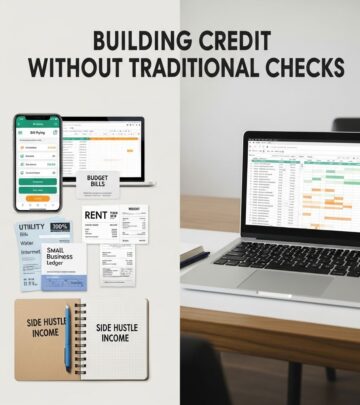
Building Credit From Scratch: Borrowing Options Without Credit History
Discover practical pathways to access credit and build your financial foundation.
Navigating the financial landscape without an established credit history can feel daunting. However, the absence of a credit record does not mean you are locked out of borrowing opportunities. Many financial institutions and alternative lenders recognize that creditworthiness extends beyond traditional credit scores, and they have developed products specifically designed for individuals in your situation. Understanding the borrowing options available to you is the first step toward establishing a solid financial foundation and accessing credit at favorable terms.
Understanding Your Financial Starting Point
When you have no credit history, lenders face uncertainty about your ability and willingness to repay borrowed funds. This lack of historical data forces them to employ alternative evaluation methods. Rather than relying on credit bureaus’ compiled records, many lenders examine income stability, employment history, debt-to-income ratios, and other indicators of financial responsibility. Recognizing this shift in assessment criteria helps you understand why different borrowing products carry different terms and why qualification thresholds vary across institutions.
The amount you can borrow without established credit depends heavily on the type of borrowing product you pursue. Some options provide access to modest sums ideal for making small purchases or establishing initial payment history, while others can unlock access to thousands of dollars. The key is matching your borrowing needs with products designed for your credit situation.
Secured Credit Cards: Building Credit While Accessing Funds
A secured credit card functions similarly to a traditional unsecured card, with one critical distinction: you must provide a refundable security deposit that typically establishes your credit limit. This deposit protects the issuer against potential losses if you default on your obligations. For example, a $300 deposit might yield a $300 credit limit, though some issuers offer more favorable terms, providing a $500 limit against a $250 deposit.
Secured cards typically allow borrowing in the hundreds to low thousands of dollars range, making them suitable for everyday purchases. The critical advantage lies in their reporting to major credit bureaus—Experian, TransUnion, and Equifax. As you make on-time payments, this activity builds your credit history and gradually improves your credit score. After demonstrating responsible payment behavior, many issuers transition you to unsecured cards and return your security deposit.
When selecting a secured credit card, verify that the issuer reports your account activity to all three major credit bureaus, not just one or two. This comprehensive reporting maximizes the credit-building benefit of your payments. Additionally, examine fee structures carefully, as some secured card programs charge annual fees or processing charges that reduce the net benefit of the product.
Credit-Builder Loans: Strategic Borrowing for Credit Establishment
Credit-builder loans operate on a fundamentally different principle than traditional loans. Rather than receiving borrowed funds upfront, you deposit money into a locked savings account or certificate of deposit (CD). You then make regular loan payments, which build your credit history as they are reported to credit bureaus. Once you complete all payments with interest, the lender releases the accumulated funds to you.
These loans typically range from $300 to $1,000, providing modest amounts sufficient for establishing payment history without overwhelming repayment obligations. The structured nature of credit-builder loans makes them particularly effective for individuals demonstrating commitment to credit establishment. Your forced savings component also builds a financial cushion while you develop responsible borrowing habits.
As with secured cards, lender selection matters significantly. Not all credit-builder loan programs report to all three credit bureaus, so confirm reporting practices before committing. Some lenders may report to only one bureau, limiting the credit-building benefits you receive. Comprehensive reporting across all major bureaus ensures your positive payment history contributes maximally to credit score development.
Retail Store Credit Cards: Accessible Credit for Specific Retailers
Store-branded credit cards represent another pathway for those without credit history. Retailers frequently maintain more lenient approval standards than traditional credit card issuers, recognizing that establishing customer loyalty through credit access can drive long-term sales. Store cards typically feature lower credit limits than general-purpose cards—often in the $300 to $500 range compared to $5,000 or higher for traditional cards.
While these lower limits restrict your purchasing power, store cards serve valuable credit-building purposes. They provide accessible entry points into the credit system and demonstrate to other lenders that you can manage credit responsibly. The trade-off involves higher interest rates and more restrictive terms than traditional cards, but the credit-building utility justifies this for short-term use.
Becoming an Authorized User: Leveraging Existing Credit Relationships
If a family member or trusted contact maintains a credit account in good standing, you may request addition as an authorized user. In this arrangement, you receive a card linked to their account and can make purchases against their credit limit. From a credit-building perspective, the primary cardholder’s payment history and account status may be reflected on your credit report, accelerating your score development.
As an authorized user, you inherit the credit limit of the primary account but may face individual spending restrictions. This option requires a trusted relationship and clear communication about financial responsibilities and spending expectations. The significant advantage is rapid credit score improvement without requiring your own income or deposit, making it particularly valuable for young adults or recent immigrants establishing U.S. credit.
Personal Loans From Alternative Lenders
Beyond traditional bank lending, alternative lenders have emerged that specialize in serving individuals with limited or no credit history. These lenders employ alternative underwriting models that may emphasize income verification, education level, employment history, and other factors beyond traditional credit scoring.
Alternative lenders typically offer unsecured personal loans ranging from $1,000 to $50,000, though those without credit history may qualify for lower amounts within this range. Some prominent lenders in this space accept minimum FICO scores as low as 550 or even applicants with no credit score, provided they meet other criteria such as minimum income thresholds. Interest rates for these loans vary substantially based on your specific profile but generally range from 7.80% to 35.99%, with higher rates reflecting greater perceived risk.
Key factors these lenders evaluate include:
- Monthly income stability and employment history
- Debt-to-income ratio (typically preferring ratios below 36%)
- Education background in some cases
- Existing bank account and savings history
- Rental or utility payment history
Understanding these evaluation criteria helps you prepare strong applications and increases approval likelihood. Demonstrating financial stability through multiple indicators compensates for the absence of traditional credit history.
Government-Backed Lending Programs
Federal Housing Administration (FHA) loans and other government-backed programs provide pathways for individuals without traditional credit histories to access mortgage financing. FHA loans require a minimum credit score of 580 for maximum financing with a 3.5% down payment, though some borrowers with lower scores or no credit history may still qualify with additional documentation and higher down payments.
For those seeking non-traditional credit acceptance, government-sponsored enterprises like Fannie Mae maintain specific programs acknowledging limited credit histories. These programs typically require establishing nontraditional credit references—documentation of timely rental payments, utility bill payments, or other financial obligations not traditionally reported to credit bureaus. Maximum debt-to-income ratios and reserve requirements apply, but these programs demonstrate that substantial borrowing (mortgage amounts) remains accessible without perfect credit histories.
Key Factors Influencing Borrowing Amounts
Regardless of the borrowing product you pursue, several universal factors influence the amount you can access:
| Factor | Impact on Borrowing Amount |
|---|---|
| Income Level | Higher documented income increases lender confidence in repayment capacity, enabling larger loan amounts |
| Debt-to-Income Ratio | Lower ratios improve qualification prospects; most lenders prefer ratios below 36% |
| Down Payment/Deposit | Larger down payments reduce lender risk exposure, often increasing available credit |
| Co-signer Availability | A co-signer with established credit can significantly increase borrowing amounts |
| Employment Stability | Longer employment history with same employer demonstrates reliable income |
| Existing Savings | Documented savings history suggests financial discipline and provides repayment cushion |
Strategic Approaches to Maximizing Borrowing Power
Several strategies can increase your borrowing capacity without established credit. First, consider combining multiple credit products simultaneously. A secured card plus a credit-builder loan creates redundancy in your credit file and accelerates score development. Multiple lines of credit, managed responsibly, strengthen your credit profile.
Second, securing a co-signer dramatically expands available borrowing. A co-signer with established credit essentially guarantees repayment, shifting risk from you to the co-signer. This arrangement enables larger loans at more favorable interest rates, though it creates mutual obligation and should only be pursued with trusted individuals fully understanding the commitment.
Third, accumulating substantial savings for down payments or security deposits reduces perceived risk. Rather than requesting the minimum deposit for a secured card, providing a larger deposit may yield a credit limit exceeding the deposit amount. Similarly, substantial down payments on personal loans or mortgages improve approval prospects and borrowing amounts.
Fourth, thoroughly documenting your income and employment history creates a comprehensive financial profile. Provide tax returns, pay stubs, bank statements, and employment verification letters. This documentation demonstrates your ability to repay and compensates for credit history absence.
Building Credit: The Long-Term Perspective
While immediate borrowing needs may require these entry-level credit products, the ultimate objective is establishing a credit score of 700 or higher. This progression unlocks access to traditional lending products with lower interest rates and higher credit limits. As your credit score improves, refinancing opportunities emerge—you can consolidate higher-interest debt into lower-rate products or upgrade from secured to unsecured cards.
The credit-building timeline typically extends 6-12 months before meaningful score improvement becomes apparent. Credit bureaus require at least six months of account history before calculating scores, and comprehensive credit history development requires demonstrating consistent responsible behavior across an extended period. Patience and consistency prove essential during this foundational phase.
Frequently Asked Questions
Can I borrow money without any credit history whatsoever?
Yes, multiple borrowing options accommodate those with zero credit history. Secured credit cards, credit-builder loans, retail store cards, and alternative personal lenders all serve this demographic. Government-backed programs like FHA loans also accept applicants without traditional credit, provided they establish nontraditional credit references.
What credit limit should I expect with no credit history?
Entry-level credit products typically provide limits between $300 and $1,000. Secured cards may match your deposit amount or slightly exceed it. As your credit history develops, these limits increase. Personal loans from alternative lenders may provide $1,000 to $50,000 depending on income and other factors.
How quickly can I build credit starting from zero?
Credit scores require minimum six-month account history before calculation. Meaningful score improvement typically emerges within 6-12 months of consistent on-time payments. Reaching the 700+ range may require 18-24 months depending on your starting point and account management.
Do I need a co-signer to borrow without credit history?
Co-signers are optional but beneficial. Many products—secured cards, credit-builder loans, retail store cards—require no co-signer. Alternative personal lenders and traditional banks may approve without co-signers provided you meet income and other criteria. However, co-signers significantly increase borrowing amounts and improve approval odds.
What interest rates should I expect without credit history?
Interest rates vary substantially. Secured credit cards may carry rates of 18-25%. Credit-builder loans charge rates comparable to standard installment loans, typically 6-12%. Alternative personal lenders charge 7.80% to 35.99% depending on risk assessment. Government-backed mortgages offer competitive rates comparable to traditional mortgages.
Moving Forward With Confidence
Starting your financial journey without established credit presents challenges but not insurmountable obstacles. Multiple accessible pathways exist for those committed to responsible borrowing and credit building. By strategically selecting appropriate credit products, managing them responsibly, and building positive payment history, you establish the foundation for long-term financial success. The borrowing options available today serve as stepping stones toward accessing more favorable terms, larger credit limits, and greater financial flexibility in the future.
References
- How Much Can I Borrow With No Credit History? — Experian. 2023-03-21. https://www.experian.com/blogs/ask-experian/how-much-money-can-i-borrow-with-no-credit-history/
- How to Get a Loan with No Credit History and No Cosigner — Inland Mortgage Credit Union. https://www.imcu.com/blog/how-to-get-a-loan-with-no-credit-history-and-no-cosigner
- Can you get a loan with no credit? — Capital One. https://www.capitalone.com/learn-grow/money-management/can-you-get-a-loan-with-no-credit/
- Eligibility Requirements for Loans with Nontraditional Credit — Federal National Mortgage Association (Fannie Mae). 2025-11-05. https://selling-guide.fanniemae.com/sel/b3-5.4-01/eligibility-requirements-loans-nontraditional-credit
- FHA Loans Without a Credit History — Federal Housing Administration. https://www.fha.com/fha_article?id=506
- 13 Ways to Establish Credit With No Credit History — InCharge Debt Solutions. https://www.incharge.org/debt-relief/credit-counseling/bad-credit/how-to-establish-credit-when-you-have-no-credit-history/
- How To Build Credit When You Don’t Have Any Credit History — The Community SB. https://www.thecommunitysb.com/personal/resources/how-to-build-credit-when-you-dont-have-any-credit-history
Similar Articles








Read full bio of Sneha Tete