Borrowed Car Insurance Explained
Discover how car insurance applies when lending or borrowing a vehicle, including coverage rules, exceptions, and tips to avoid surprises.
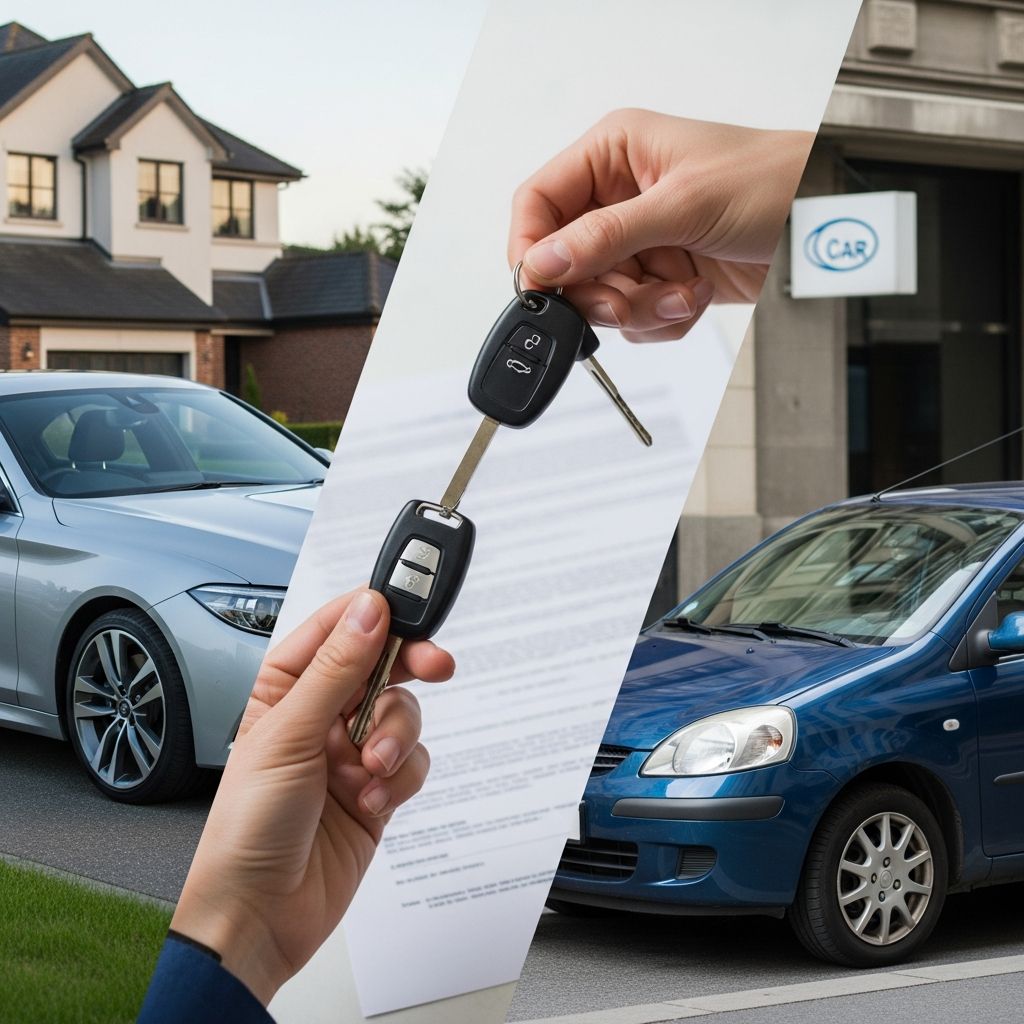
Car insurance primarily follows the vehicle rather than the individual driving it, meaning the owner’s policy typically serves as the first line of defense in an accident involving a borrowed car. This principle, rooted in standard auto policies, protects occasional borrowers under specific conditions while placing responsibility on the vehicle owner for initial claims.
Core Principle: Insurance Tracks the Vehicle
In most scenarios, when permission is granted to drive another’s car, the owner’s insurance policy activates as primary coverage for damages, liability, and repairs. This setup stems from the idea that the vehicle itself carries the protection, not the operator’s personal history. For instance, if a friend borrows your sedan and collides with another vehicle, your liability limits would address injuries and property damage to others before any other policy intervenes.
Owners bear the immediate financial burden, including deductibles for collision or comprehensive claims on their own car. Borrowers avoid direct responsibility up to the policy’s limits, but this does not eliminate all potential costs, as explained later.
Permissive Use: The Key to Coverage
Standard policies include a permissive use clause, allowing occasional drivers not named on the policy to be covered when explicitly permitted by the owner. This provision supports everyday acts like lending a car to a neighbor for a quick errand or a relative for a short trip.
- Verbal or implied permission suffices in most cases, extending the owner’s protection to the borrower.
- Coverage matches the owner’s policy limits for liability, collision, and comprehensive needs.
- No additional premium is typically required for one-off uses.
However, this clause has boundaries. Insurers define “occasional” vaguely, often scrutinizing patterns during claims to determine legitimacy.
Situations Where Coverage Falls Short
Not every borrowing scenario triggers the owner’s policy. Several exclusions can leave parties exposed, potentially leading to out-of-pocket expenses or denied claims.
| Exclusion Type | Description | Potential Outcome |
|---|---|---|
| Frequent Borrowing | Regular use beyond occasional lending, like weekly commutes | Owner’s policy may deny; borrower’s insurance required |
| Household Members | Live-in partners or family not listed on policy | No coverage unless added; insurers often mandate listing |
| Explicit Exclusions | Named individuals barred, e.g., high-risk teens | Full denial; borrower personally liable |
| Business Use | Driving for delivery, rideshare, or work | Requires commercial policy; personal coverage void |
| Non-Permissive Use | Taking car without consent | Borrower’s sole responsibility; owner’s policy excluded |
These gaps highlight the need for clear communication before handing over keys. Owners should review policy documents or consult agents to confirm borrower eligibility.
Layered Protection: Primary and Secondary Roles
The owner’s policy acts as primary coverage, handling claims first up to its limits. If damages exceed these—say, a $50,000 wreck surpassing $30,000 liability—the borrower’s policy may step in as secondary coverage for the balance.
This coordination assumes the borrower carries their own auto insurance with non-owned vehicle provisions. Without it, the owner risks personal liability beyond policy caps. Both parties could see premium increases post-claim, as insurers view shared incidents as heightened risk.
Real-World Example: Exceeding Limits
A borrower causes $70,000 in damages. Owner’s $40,000 liability pays first. Borrower’s $100,000 policy covers the remaining $30,000. Deductibles and rate hikes apply to both.
Uninsured Borrowers: High Stakes for Owners
Borrowing without personal insurance is possible if the owner maintains state-minimum coverage, but it amplifies risks. Owners become fully accountable for all costs if their limits are breached, and permissive use still requires documented permission to avoid disputes.
Owners should vet borrowers’ records—avoiding those with DUIs or accidents—to prevent vicarious liability lawsuits. Inexperienced drivers further complicate matters, as courts may hold lenders responsible for foreseeable harms.
Impacts on Premiums and Claims Process
Claims from borrowed car incidents often raise the owner’s rates more significantly, since their policy pays out first. Borrowers might face surcharges too if secondary coverage activates.
Filing steps: Report to owner’s insurer immediately, providing accident details. Cooperate fully to streamline approvals. Delays or inconsistencies can trigger investigations into permissive use validity.
Strategies to Minimize Risks
Proactive steps safeguard everyone involved:
- Review Policies: Confirm permissive use terms and exclusions annually.
- Add Frequent Users: List household or regular drivers to ensure seamless coverage.
- Get Borrower Details: Share driving history and personal policy info before lending.
- Consider Non-Owner Policies: Ideal for frequent borrowers without vehicles, offering secondary protection.
- Use Rideshares Alternatively: Avoid insurance hassles for short trips.
For businesses or high-value cars, supplemental policies like agreed-value coverage provide extra layers.
State Variations and Legal Angles
While the “insurance follows the car” rule dominates, states differ. No-fault jurisdictions prioritize personal injury protection regardless of fault. Always check local minimums—e.g., liability requirements vary from 10/20/10 to 100/300/100.
Negligent entrustment laws hold owners liable for knowingly lending to unsafe drivers, overriding policy terms in lawsuits.
Frequently Asked Questions
Does my insurance cover me if I borrow a car?
Typically as secondary after the owner’s primary policy exhausts limits, if your policy includes non-owned coverage.
Can I lend my car to an uninsured friend?
Yes, but your policy covers primary; ensure permission is clear to invoke permissive use.
What if the borrower lives with me?
Add them to your policy; household residents often require listing for coverage.
Will rates go up if someone else crashes my car?
Likely yes, as claims hit your record first.
Is commercial use covered under personal policies?
No—separate commercial insurance needed.
Navigating borrowed car insurance demands awareness of these dynamics to prevent costly oversights. Consult your agent for personalized advice tailored to your policy and state laws.
References
- Borrowed Car Coverage: Who’s Responsible? — AutoInsurance.com. 2023. https://www.autoinsurance.com/coverage/borrowed-car/
- How Do I Insure A Borrowed Car — InsuraMatch. 2023. https://www.insuramatch.com/blog/how-do-i-insure-borrowed-car
- How Does Car Insurance Work if You Borrow a Car? — Experian. 2023-10-01. https://www.experian.com/blogs/ask-experian/how-does-car-insurance-work-if-you-borrow-car/
- How Does Insurance Work If You Borrow Someone’s Car? — Nolo. 2023. https://www.nolo.com/legal-encyclopedia/if-i-borrow-a-car-and-damage-another-vehicle-in-an-accident-am-i-covered-under-the-owner-s-insurance-policy.html
- What Happens if You Let Someone Borrow Your Car? — Wawanesa. 2023. https://www.wawanesa.com/us/blog/what-happens-if-you-let-someone-borrow-your-car
- Does Car Insurance Cover the Car or Driver? — Progressive. 2023. https://www.progressive.com/answers/does-insurance-follow-the-car-or-driver/
Similar Articles








Read full bio of Sneha Tete