Boost Your Credit Score in 2026
Discover proven strategies to elevate your credit score this year and unlock better financial opportunities ahead.

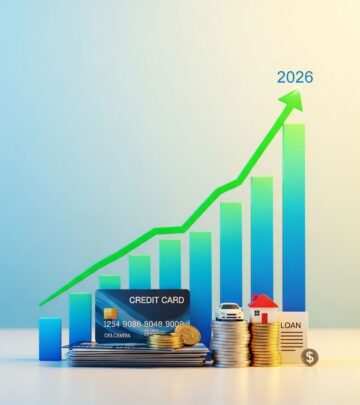
Your credit score serves as a critical benchmark for lenders, influencing everything from loan approvals to interest rates. In 2026, mastering key credit habits can lead to significant improvements, opening doors to favorable terms on mortgages, auto loans, and credit cards. This guide outlines actionable strategies grounded in established financial principles to help you strengthen your profile systematically.
Understanding the Foundations of Credit Scoring
Credit scores, such as FICO and VantageScore, evaluate your financial reliability through specific factors. Payment history weighs heaviest at around 35%, followed by credit utilization at 30%, length of credit history, new credit, and credit mix. Recent updates in scoring models emphasize responsible behaviors over past setbacks, making proactive management more rewarding than ever.
Regularly reviewing your credit reports from Equifax, Experian, and TransUnion via AnnualCreditReport.com reveals inaccuracies or fraud early. Disputing errors can yield quick boosts, as resolved negatives often drop off promptly.
Master Timely Payments for Maximum Impact
Consistent on-time payments build lender trust and form the cornerstone of a strong score. A single late payment can linger for up to seven years, but fresh positive history gradually overshadows it.
- Enroll in autopay for minimum dues on cards, loans, and utilities to eliminate oversight risks.
- Schedule reminders or apps for non-automatable bills like rent.
- Pay early in the cycle when feasible to buffer against processing delays.
Even partial payments count positively if on time, preventing deeper dings. Over months, this habit can elevate scores by tens of points.
Optimize Credit Utilization for Quick Wins
Credit utilization compares balances to limits across revolving accounts. Keeping it under 30%—ideally single digits—signals control to scorers. High ratios, even if paid off monthly, harm scores based on statement balances.
| Limit Example | Max Balance (30%) | Ideal Balance (<10%) |
|---|---|---|
| $5,000 | $1,500 | $500 |
| $10,000 | $3,000 | $1,000 |
| $20,000 | $6,000 | $2,000 |
Strategies include multiple intra-cycle payments, balance transfers to 0% APR cards, or limit increase requests (without new inquiries). These adjustments can spike scores rapidly, often within a billing cycle.
Strategize New Credit Applications Wisely
Hard inquiries from applications temporarily lower scores and multiply if excessive. Limit to necessities and space them out, noting rate-shopping windows (14-45 days) treat mortgage/auto inquiries as one.
Preserve score longevity by retaining old accounts open, as mix and age contribute positively. Closing them shortens history and spikes utilization.
Build Credit from Limited or Thin Files
For newcomers or those rebuilding, secured cards or credit-builder loans deposit funds upfront, reporting payments positively without risk. Select issuers reporting to all bureaus for broad impact.
- Secured cards: Refundable deposit sets limit; upgrade after 6-12 months of good use.
- Credit-builder loans: Payments accrue in savings, released post-term.
- Authorized user status: Piggyback on trusted accounts with solid history.
These tools add depth quickly, countering thin-file penalties.
Leverage Alternative Data and Reporting
2026 models increasingly incorporate rent, utilities, and telecom payments via services like Experian Boost. Eligible users see instant lifts by verifying on-time history.
Medical debt under $500 often goes unreported now, softening past burdens. Focus efforts here for outsized returns on non-traditional data.
Address and Remove Negative Marks
While aged negatives fade, goodwill letters to issuers or pay-for-delete negotiations (cautiously) can accelerate removal. Prioritize collections via debt validation requests.
Bankruptcy impacts wane after 7-10 years; channel energy into positives meanwhile.
Incorporate Credit into Broader Financial Wellness
Pair score-building with budgeting apps tracking DTI (debt-to-income under 36% ideal for lenders). Emergency funds prevent reliance on high-interest credit.
For homebuyers, prep 6-12 months ahead: reduce debt, stabilize income proof. Confirm lender’s scoring model for targeted tweaks.
Monitor Progress and Adjust Tactics
Free weekly reports and score trackers from banks/Experian provide snapshots. Celebrate milestones like crossing 700, adjusting for sustained growth.
Common Pitfalls to Sidestep
- Maxing cards pre-statement close, inflating reported utilization.
- Closing paid-off cards, harming age/utilization.
- Ignoring soft inquiries (pre-approvals) as harmless checks.
- Chasing too many boosts simultaneously, triggering inquiries.
FAQ
How long does it take to see credit score improvements?
Utilization drops show in 30 days; payment history builds over 3-6 months. Consistent actions yield 50-100 point gains yearly.
Does paying off collections help immediately?
Yes, but updates lag 30-60 days. Scores may dip short-term from closed accounts.
Can I improve credit without credit cards?
Absolutely—focus on loans, rent reporting, or builders. Mix isn’t mandatory.
What’s the fastest way to boost my score?
Slash utilization below 10% and pay everything on time; dispute errors.
Do authorized users risk the primary account?
No direct risk, but monitor usage. Remove if mismanaged.
References
- 5 Ways to Boost Your Credit Score in 2026 — Middlefield Bank. 2026. https://www.middlefieldbank.bank/blog/post/5-ways-to-boost-your-credit-score-in-2026
- How to Improve Your Credit Score in 2026 — American Bank. 2026. https://www.americanbankusa.com/education-center/how-to-improve-your-credit-score-in-2026/
- 26 Tips to Improve Credit in 2026 — Experian. 2026. https://www.experian.com/blogs/ask-experian/ways-to-improve-credit/
- BEST & WORST Ways to Increase Your Credit Score (2026) — YouTube. 2026. https://www.youtube.com/watch?v=46lDI0UHm0Y
- How to Improve Your Credit Score in 2026 — Elevate Credit Union. 2026. https://elevatecu.com/blog/how-to-improve-your-credit-score-in-2026
- Your 2026 Credit Score Playbook: What Really Moves the Needle — My Financial Goals. 2026. https://www.myfinancialgoals.org/blog/your-2026-credit-score-playbook-what-really-moves-the-needle
- Your 2026 Credit Score Playbook: The Biggest Changes — MCFCU. 2026. https://mcfcu.org/financialwellness/your-2026-credit-score-playbook-the-biggest-changes-and-what-they-mean-for-you/
Similar Articles








Read full bio of medha deb