Boost Credit Utilization for Better Scores
Master strategies to lower your credit utilization ratio and unlock higher credit scores for loans and rewards.

Credit utilization plays a pivotal role in determining your overall credit health, often accounting for around 30% of your FICO score. This metric measures the percentage of your available revolving credit that you’re actively using. Keeping it low signals to lenders that you’re managing debt responsibly, which can lead to better interest rates on loans, higher credit limits, and more favorable terms on financial products.
Understanding Credit Utilization Basics
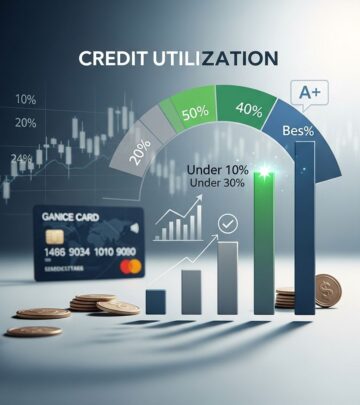
The credit utilization ratio is calculated by dividing your total credit card balances by your total credit limits, then multiplying by 100 to get a percentage. For instance, if you have $2,000 in balances across cards with a combined $10,000 limit, your ratio stands at 20%. Experts recommend aiming for under 30%, with even better results below 10% for top-tier scores.
This factor influences both individual card utilization and overall portfolio utilization. High ratios on any single card can drag down your score more than the aggregate, so balance distribution matters. Credit bureaus like Equifax, Experian, and TransUnion receive reports typically at the end of your billing cycle, making timing crucial.
Why Low Utilization Drives Credit Success
Maintaining a healthy ratio demonstrates financial stability to creditors. Lenders view low utilization as a sign of low risk, increasing approval odds for mortgages, auto loans, and credit cards. Research shows that dropping from 80% to 10% utilization can boost scores by 50-100 points in months. Conversely, ratios above 50% often trigger red flags, leading to denials or higher APRs.
Per FICO data, optimal management here outperforms other factors like payment history in short-term score improvements. It’s a quick win for those rebuilding credit after setbacks.
Core Strategies to Lower Your Ratio
Target a combination of reducing balances and expanding limits for sustainable results. Here’s how to implement changes effectively.
Accelerate Balance Reductions
Prioritize paying down high-interest cards first to minimize costs while shrinking utilization. Allocate extra funds—say, $500 monthly—to the card with the highest APR until cleared, then roll over to the next. Track progress with apps that monitor ratios in real-time.
Adopt Frequent Payment Habits
Instead of one monthly payment, split into bi-weekly or post-purchase installments. Paying before the statement closes ensures lower reported balances to bureaus. For example, charge $300 mid-cycle but pay it off immediately—your reported balance could drop to zero.
- Set calendar reminders for statement dates.
- Automate transfers from checking to cover charges promptly.
- Review statements weekly to catch rising balances early.
Distribute Spending Wisely
Avoid loading large purchases on one card. Split a $1,500 expense across three cards with $5,000 limits each: utilization falls from 30% to 10% per card. This keeps per-card ratios optimal without lifestyle cuts.
Expanding Available Credit Smartly
Increasing limits dilutes utilization without touching balances, but approach cautiously.
Request Limit Increases
Contact issuers after 6-12 months of on-time payments. Many approve soft inquiries without score hits. A jump from $5,000 to $8,000 on a $2,000 balance cuts utilization from 40% to 25% instantly. Pre-qualify online to gauge approval odds.
| Scenario | Old Limit | New Limit | Balance | Old Ratio | New Ratio |
|---|---|---|---|---|---|
| Single Card | $5,000 | $8,000 | $2,000 | 40% | 25% |
| Multiple Cards | $15,000 total | $20,000 total | $4,000 | 27% | 20% |
Maintain Dormant Accounts
Keep old, unused cards open for their limit contribution. Closing reduces total credit, spiking ratios. Use them occasionally for small recurring charges like subscriptions, paying off fully to keep activity alive.
Budgeting and Spending Controls
Long-term success requires curbing new debt accumulation.
Track and Trim Expenses
Build a zero-based budget: assign every dollar a job, prioritizing debt payoff. Switch to cash/debit for daily spends to halt credit growth. Tools like spreadsheets or apps categorize outflows, revealing cuts like dining out.
Set Utilization Alerts
Enable card alerts at 25% and 50% thresholds. This proactive nudge prevents overruns, maintaining discipline.
Strategic Debt Consolidation
If rates exceed 20%, consider balance transfers to 0% intro APR cards or personal loans at lower rates. Only if qualified—avoid new hard inquiries if applying for major credit soon.
Common Pitfalls to Avoid
Falling into traps can reverse gains quickly.
- New Applications: Multiple inquiries signal risk, temporarily lowering scores.
- Closing Cards Post-Payoff: Inflates ratios; retain for history length.
- Ignoring Per-Card Ratios: Aggregate low but one maxed card hurts equally.
- Chasing Rewards Blindly: Sign-up bonuses tempt overspending; calculate true costs.
Monitoring Progress and Tools
Check free weekly reports from AnnualCreditReport.com and score trackers like Credit Karma. Expect visible improvements in 1-2 reporting cycles post-changes.
Use calculators: Input balances/limits for instant ratio views. Pair with score simulators to project impacts.
Advanced Tips for Optimal Results
For scores above 750:
- Become an authorized user on a low-utilization account from a trusted relative.
- Negotiate retained limits on canceled cards.
- Time big spends around limit increases.
Frequently Asked Questions
What is a good credit utilization ratio?
Below 30% is ideal; under 10% maximizes scores.
How quickly does utilization affect my score?
Changes appear after issuers report, usually monthly.
Does paying before due date help?
Yes, especially pre-statement close for lower reported balances.
Can I improve without paying debt?
Limit increases help, but combine with spending cuts for best effect.
Is 0% utilization best?
No—some activity shows responsible use; aim 1-10%.
Real-World Impact Examples
Jane had $8,000 balances on $20,000 limits (40%). She paid $2,000 extra monthly, requested two increases, and split spends—dropping to 15% in 4 months, gaining mortgage approval at prime rates.
Mike consolidated $10,000 high-APR debt to a 4% loan, freeing cards for 5% utilization. Score rose 80 points, unlocking premium rewards cards.
References
- Credit Utilization Rate: Your Easy 1-2-3 Guide — Quicken. 2023. https://www.quicken.com/blog/credit-utilization/
- How to Improve Credit Utilization — Chase Bank. 2024-01-15. https://www.chase.com/personal/credit-cards/education/credit-score/how-to-improve-credit-utilization
- Tips to improve your credit utilization ratio — First Citizens Bank. 2023-11-20. https://www.firstcitizens.com/personal/insights/credit/credit-utilization-how-to-improve
- What Is Credit Utilization Ratio? How to Calculate Yours — NerdWallet. 2025-02-01. https://www.nerdwallet.com/finance/learn/how-is-credit-utilization-ratio-calculated
- 6 ways to lower your credit card utilization — Credit Karma. 2024-09-10. https://www.creditkarma.com/credit/i/how-to-lower-your-credit-card-utilization
- 5 ways to improve your credit score — Better Money Habits, Bank of America. 2024-05-12. https://bettermoneyhabits.bankofamerica.com/en/credit/how-to-improve-your-credit-score
Similar Articles








Read full bio of Sneha Tete