Boost Credit: New Card for More Limit?
Explore if opening a new credit card truly increases available credit and improves your score—or if it brings hidden risks.
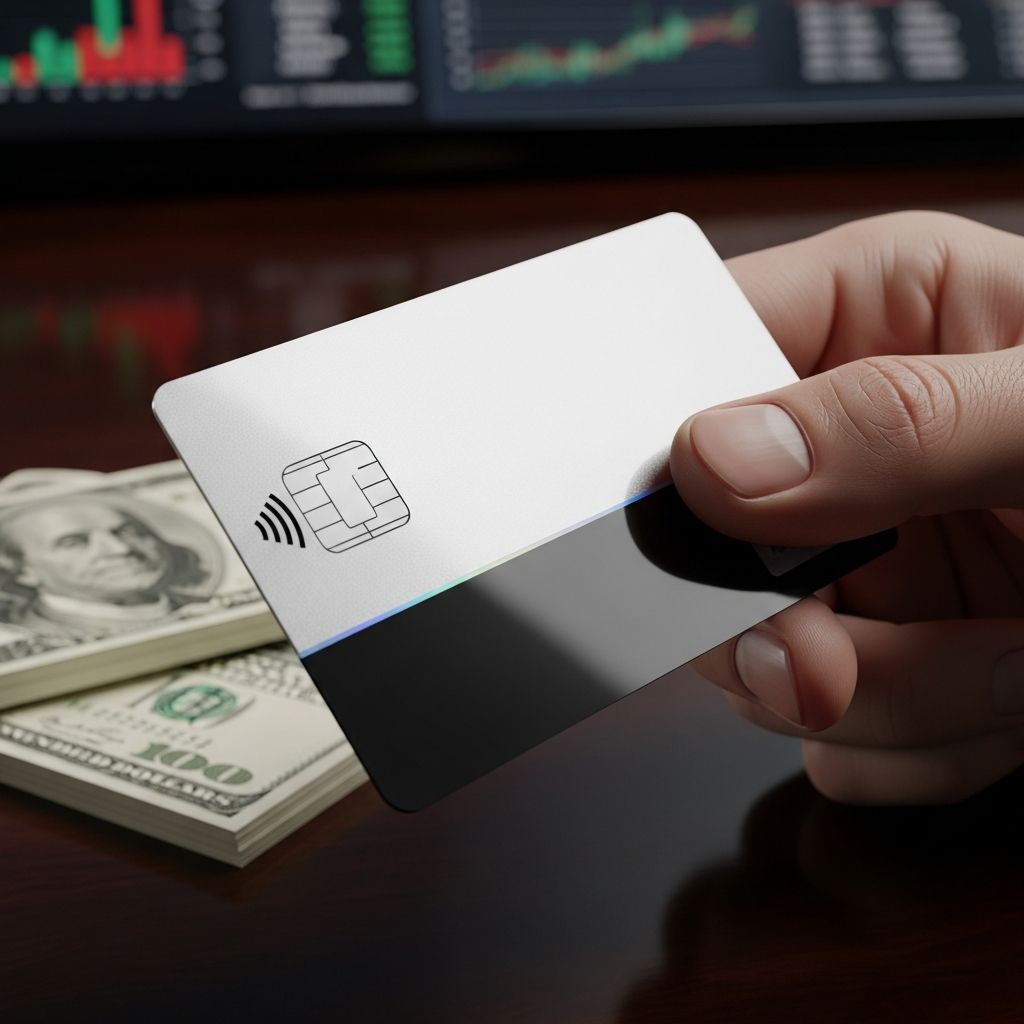
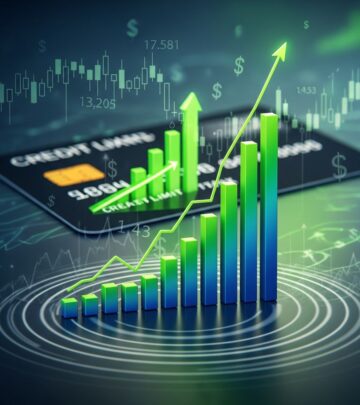
Opening a new credit card can expand your total available credit, potentially lowering your credit utilization ratio and boosting your score, but it often introduces risks like hard inquiries and higher spending temptation that may offset benefits.
Understanding Credit Utilization’s Role in Your Score
Credit utilization measures the percentage of your revolving credit limits that you’re using, serving as a key indicator of financial responsibility to lenders. This factor influences 20% to 30% of your FICO score and a similar portion in VantageScore models, making it second only to payment history in importance. For instance, if your total credit limits across cards sum to $10,000 and balances reach $3,000, your utilization stands at 30%.
Keeping this ratio low signals to creditors that you manage debt well without over-reliance on credit. Experts consistently advise maintaining overall utilization under 30%, with optimal levels below 10% for the best scores. Both aggregate utilization across all accounts and the highest utilization on any single card impact your score, so maxing out one card can harm more than spreading balances evenly.
Calculating Your Credit Utilization Effectively
To compute your rate, sum all revolving balances (primarily credit cards) and divide by total limits, then multiply by 100. Example: Two cards with $5,000 and $10,000 limits ($15,000 total) and $2,000 combined balances yield (2000/15000) x 100 = 13.3% utilization.
- Per-account rate: Focus on each card individually, as high use on one (e.g., 80% on a $1,000-limit card) drags scores more than balanced use.
- Overall rate: Aggregate view preferred by models like FICO 8, which penalizes both extremes.
Paying balances before statement closing dates ensures lower reported figures to bureaus, allowing quick score improvements—sometimes within a month.
Utilization Tiers and Score Impacts
Different ranges trigger varied lender perceptions:
| Utilization Range | Score Impact | Lender View |
|---|---|---|
| 0-10% | Excellent | Low risk, strong management |
| 11-30% | Good | Acceptable, room for improvement |
| 31-50% | Fair | Increased risk signal |
| 51-70% | Poor | Caution advised |
| 71%+ | Very Poor | High default risk |
Data from scoring models shows scores drop sharply above 30%, with severe penalties over 50%. Unlike payment history, utilization changes report immediately, offering fast recovery via payments or limit boosts.
Does a New Card Lower Utilization Instantly?
A new card increases total limits without immediately raising balances, diluting your ratio. Suppose $20,000 limits and $6,000 balances (30% utilization) become $25,000 limits post-approval, dropping to 24%. This can lift scores by 20-50 points if other factors align.
However, the application triggers a hard inquiry, dinging scores 5-10 points temporarily (up to 12 months visible). New accounts also shorten average age of accounts (15% of FICO), potentially offsetting gains. Net effect: Positive for high-utilization profiles with strong histories, neutral or negative otherwise.
Hidden Downsides of Chasing More Credit
Approval isn’t guaranteed; denials add inquiries without benefits and signal issues. Temptation to spend more often leads to higher balances, negating dilution. Annual fees, higher rates on subprime approvals, and product churn flags (frequent apps) can hurt long-term.
Consider profiles:
- Ideal candidate: Low scores from high utilization (>50%), established history, confident spending control.
- Avoid if: Thin file, recent inquiries, or maxed cards indicating deeper debt issues.
Smarter Alternatives to New Applications
Request limit increases on existing cards first—soft inquiries often suffice, instantly boosting limits without new accounts. Pay down balances aggressively, especially before reporting cycles. Use multiple cards to spread charges, targeting under 30% per card.
- Review statements mid-cycle for payments.
- Automate payments to cover utilization dips.
- Build habits: Charge needs only, pay fully monthly.
Authorized user status on low-utilization family cards can help without personal liability, though effects vary by scoring model.
Real-World Strategies for Optimization
Monitor via free weekly reports from AnnualCreditReport.com or services like Credit Karma. Aim for under 10% for elite scores (800+). If utilization spikes seasonally, plan payments around reporting dates—issuers typically report statement balances.
Table of quick wins:
| Action | Potential Score Boost | Timeline |
|---|---|---|
| Pay to <30% | 20-100+ points | 1-30 days |
| Limit increase | 10-50 points | Immediate |
| New card (net) | 0-30 points | 1-3 months |
Frequently Asked Questions
Will a new card fix high utilization?
It can dilute ratios if managed well, but address spending root causes first to avoid rebound.
How soon does utilization affect scores?
Upon bureau reporting, often monthly—pay before statements close.
Is 0% utilization best?
Low single digits ideal; true 0% might suggest inactivity, but minimal use is fine.
Does closing cards help utilization?
No—reduces limits, spiking ratios unless balances drop proportionally.
Per-card vs. total: Which matters more?
Both, but highest per-card often hurts most in FICO models.
Long-Term Credit Building Mindset
Sustainable scores stem from disciplined habits over quick fixes. Track ratios monthly, diversify credit mix sparingly, and prioritize payments. Over time, consistent low utilization builds lender trust, unlocking better rates and limits organically.
For those with high debt, debt snowball or avalanche methods paired with utilization focus yield compounding gains. Consult non-profits like NFCC for personalized plans if overwhelmed.
References
- How Does Credit Utilization Affect Your Credit Score? — Centier Bank. 2023. https://www.centier.com/resources/articles/article-details/how-does-credit-utilization-affect-your-credit-score
- How Credit Card Utilization Impacts Your Credit Score — Northwest Bank Financial Wellness Center. 2024. https://financialwellnesscenter.northwest.bank/credit-and-debt/credit/article/how-credit-card-utilization-impacts-your-credit-score
- What is credit card utilization and how does it affect your credit scores? — Credit Karma. 2025. https://www.creditkarma.com/credit/i/credit-card-utilization-and-your-credit-score
- What Is a Credit Utilization Rate? — Experian. 2025-03-15. https://www.experian.com/blogs/ask-experian/credit-education/score-basics/credit-utilization-rate/
- How Long Will a High Credit Card Utilization Hurt My Credit Score? — Experian. 2025. https://www.experian.com/blogs/ask-experian/how-long-will-high-credit-utilization-hurt-credit-score/
- What Is a Credit Utilization Ratio? — Equifax. 2024. https://www.equifax.com/personal/education/debt-management/articles/-/learn/credit-utilization-ratio/
- Understanding Credit Utilization: How it impacts your score — LFCU. 2024. https://www.lfcu.org/news/managing-money-credit/understanding-credit-utilization-how-it-impacts-your-score/
Similar Articles








Read full bio of Sneha Tete