Boost Your Credit: Add Positive Payment Records
Discover proven strategies to include on-time bills like rent and utilities on your credit report for a stronger financial profile.

Payment history forms the cornerstone of your credit score, accounting for about 35% of its calculation. Many consumers overlook opportunities to include reliable on-time payments from everyday bills, missing chances to strengthen their credit profiles. This guide outlines practical steps to incorporate such positive data into your credit reports from major bureaus like Experian, Equifax, and TransUnion.
Why Payment History Matters Most
Your credit score reflects how lenders perceive your reliability. Consistent on-time payments signal responsible financial behavior, directly influencing approvals for loans, mortgages, and credit cards. Even a single late payment can drop your score significantly, especially if it’s recent or on a high-value account.
Traditional credit accounts like credit cards and loans dominate reports, but non-traditional payments—such as rent, utilities, and phone bills—often go unreported. These omissions particularly affect those with limited credit history, known as ‘thin files,’ making it harder to qualify for favorable terms.
Unlocking Hidden Credit Builders: Non-Traditional Payments
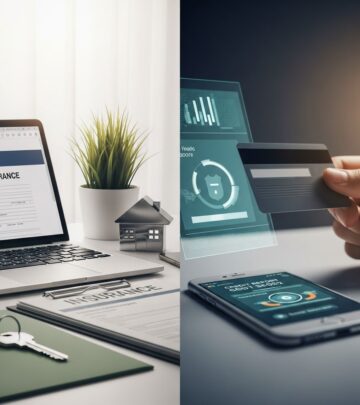
Everyday expenses represent untapped potential for credit improvement. Services now bridge the gap by verifying and reporting these payments to bureaus.
- Rent Payments: Monthly housing costs demonstrate stability. Third-party platforms verify payments with landlords and submit data to bureaus, benefiting first-time renters or those rebuilding credit.
- Utility and Phone Bills: On-time electricity, water, and telecom payments show discipline. Linking bank accounts allows automated detection and reporting of positive history up to two years back.
- Streaming and Subscription Services: Regular digital entertainment payments count as recurring obligations, adding depth to your file when reported.
These additions can instantly elevate scores, with some users seeing jumps of 13 points or more on models like FICO Score 8.
Step-by-Step: Reporting Rent Payments
Rent reporting requires landlord cooperation or service intermediaries. Start by selecting a reputable platform that integrates with bureaus.
- Enroll in a rent-reporting service and provide lease details.
- Authorize bank verification of payments or submit landlord confirmation.
- Opt-in for reporting to one or all three major bureaus.
- Monitor your credit reports to confirm tradelines appear.
Benefits extend beyond scoring: future landlords often request reports proving reliability. Free basic services exist, with premiums for backdated reporting.
Effortless Utility and Bill Reporting with Experian Boost
Experian Boost stands out for simplicity. This free tool scans linked bank accounts for eligible payments.
| Eligible Bill Types | Reporting Window | Potential Impact |
|---|---|---|
| Cellphone | Up to 24 months | Instant score boost |
| Utilities (electric, gas, water) | Up to 24 months | Adds positive history |
| Streaming services | Up to 24 months | Enhances file thickness |
Sign up via Experian, connect accounts, and Boost identifies on-time payments automatically. No manual uploads needed, and it affects only your Experian report and FICO Score 8. Ideal for thin-file consumers or those under 680 scores.
Overcoming Barriers: When Lenders Don’t Report
Not all providers share data with bureaus. Local banks, small landlords, or niche services may skip reporting.
- Contact the creditor directly: Request they begin reporting positive history.
- Switch providers: Choose those confirming bureau submissions before applying.
- Dispute omissions: If an account should appear, send proof to bureaus with your ID and statements.
Mail disputes to Experian at P.O. Box 9701, Allen, TX 75013, including Social Security number for matching. Bureaus must investigate under the Fair Credit Reporting Act (FCRA).
Alternative Paths to Build Payment History
If self-reporting isn’t viable, proactive steps establish traditional history.
- Secured Credit Cards: Deposit-funded cards report like unsecured ones. Timely payments may upgrade to standard cards.
- Authorized User Status: Join a trusted family member’s well-managed account. Ensure the primary user pays on time.
- Cosigned Loans: Family backing opens doors, but defaults harm both parties.
- Bill Pay Automation: Set recurring payments to avoid misses, pairing with budgeting for sufficient funds.
Maximizing Impact: Best Practices for Reporting
To optimize additions:
- Act early: Back-report up to 24 months where possible.
- Verify tradelines: Check free weekly reports at AnnualCreditReport.com.
- Combine methods: Use Boost alongside rent services for comprehensive coverage.
- Monitor scores: Track changes via free tools from bureaus.
Payment history weighs heaviest in FICO and VantageScore models. USA.gov confirms it alongside balances and history length as key factors.
Common Pitfalls and How to Avoid Them
Avoid assumptions that all bills qualify—only verified on-time payments count. Negative history from services won’t report, preserving your file. Third-party fees vary; prioritize free options first. Patience matters: Investigations take 30 days.
Long-Term Credit Health Strategies
Beyond additions, sustain gains by paying all bills promptly. Automate via bank services, maintain low utilization under 30%, and diversify accounts gradually. Those with past lates should prioritize current payments to dilute negatives over time.
Frequently Asked Questions
Can I add any bill to my credit report?
No, only specific services handle eligible non-traditional payments like those via Experian Boost or rent reporters.
How quickly does it affect my score?
Instantly for Boost on Experian FICO 8; others vary by bureau processing.
Is Experian Boost free?
Yes, basic service costs nothing and requires only bank linking.
What if my landlord won’t verify rent?
Some services use bank data alone or offer landlord-free options.
Does this help with all credit scores?
Primarily FICO 8 via Experian; check model compatibility.
Real-World Results and Considerations
Users report score increases aiding approvals. A thin-file applicant might jump from subprime to prime ranges. However, additions don’t erase negatives—focus on holistic habits. FCRA mandates accuracy, empowering disputes.
References
- How to Report Payment History to Credit Bureaus — Experian. 2023. https://www.experian.com/blogs/ask-experian/can-i-add-good-payment-history-credit-report/
- Adding Positive Information to Your Credit Report — Nolo. 2023. https://www.nolo.com/legal-encyclopedia/adding-positive-information-your-credit-report.html
- How to Improve Your Payment History to Get a Better Credit Score — Central Bank. 2023. https://www.centralbank.net/learning-center/how-to-improve-your-payment-history-to-get-a-better-credit-score/
- How to self-report to credit bureaus — Capital One. 2023. https://www.capitalone.com/learn-grow/money-management/self-reporting-credit/
- How to Self-Report Good Information to Credit Bureaus — American Express. 2023. https://www.americanexpress.com/en-us/credit-cards/credit-intel/how-to-report-to-credit-bureau/
- Understand, get, and improve your credit score — USAGov. 2026-04-01. https://www.usa.gov/credit-score
Similar Articles








Read full bio of medha deb