Boat Financing: A Comprehensive Guide to Boat Loans
Master boat financing with expert insights on loans, rates, and smart borrowing strategies.
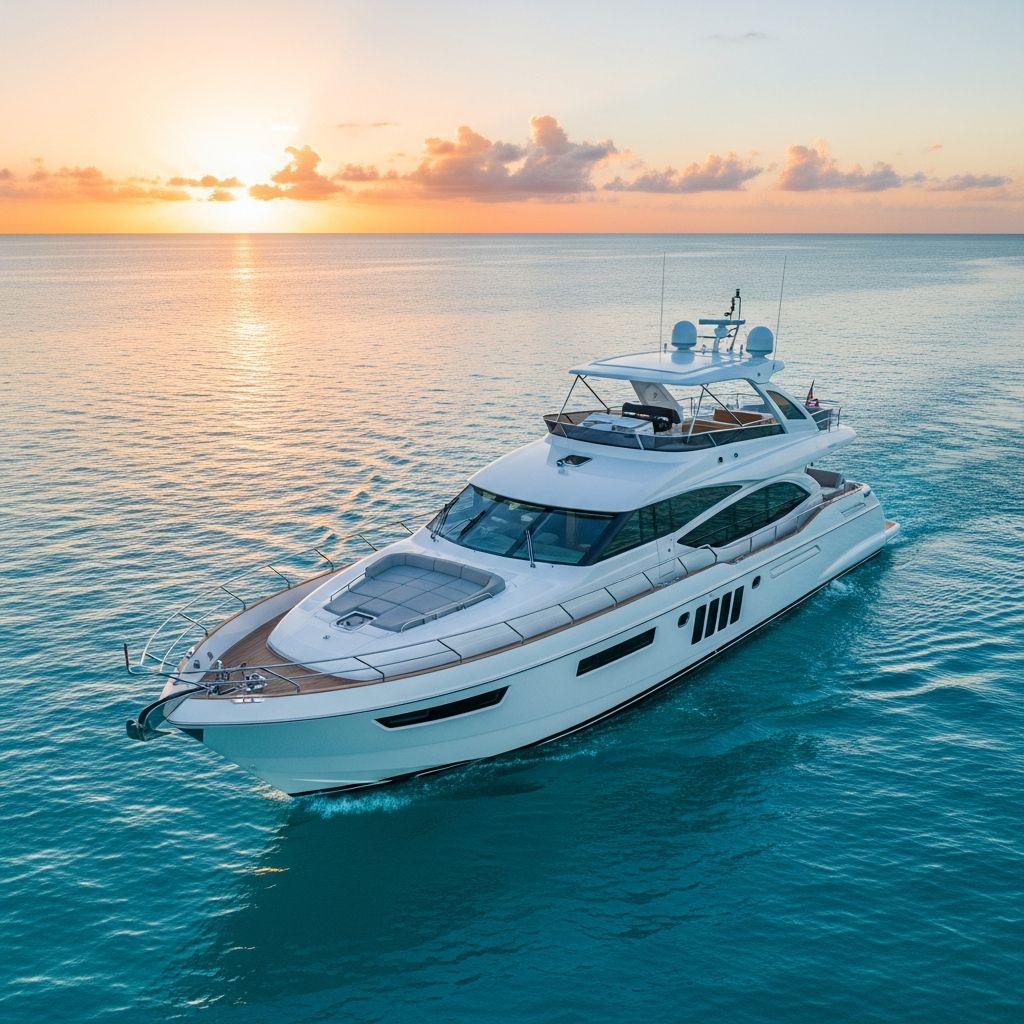
Purchasing a boat is an exciting prospect, but for most people, it requires substantial financial investment. The average cost of a new boat ranges between $15,000 and $75,000, with luxury vessels commanding significantly higher prices. This is why boat financing has become an essential tool for boat enthusiasts. Understanding the fundamentals of boat loans, interest rates, and financing options can help you make informed decisions that protect your financial health and allow you to enjoy your investment responsibly.
What Is a Boat Loan?
A boat loan is a type of installment loan specifically designed for purchasing boats or other marine vessels. Like auto loans and traditional personal loans, boat loans typically come with fixed interest rates and predetermined repayment terms. Lenders send funds in a lump sum, which you then repay over an agreed-upon period through regular monthly installments.
Boat loans differ from standard personal loans in several important ways. They can be either secured (where the boat serves as collateral) or unsecured (where no collateral is required). The type of loan you qualify for depends on your credit score, income, financial profile, and the lender you choose to work with.
Understanding Boat Loan Basics
Before diving into the boat financing process, it’s essential to understand the key components of a boat loan:
- Loan Amount: With personal loans, you can typically borrow between $1,000 and $100,000, depending on the lender. Dealership financing may allow higher amounts based on your creditworthiness and the vessel’s value.
- Repayment Terms: Most lenders offer repayment periods up to 15 years, with some extending to 20 years. Unsecured boat loans typically have shorter terms, maxing out around 7 years.
- Down Payment: While not all lenders require a down payment, those that do typically ask for 10% to 20% of the boat’s purchase price.
- Interest Rates: Annual percentage rates (APR) for boat loans generally range between 7% and 35.99%, though individual offers vary significantly based on your financial profile.
The Role of Down Payments in Boat Purchases
The down payment represents the initial amount you pay upfront toward the boat’s purchase price. This crucial decision directly impacts your loan structure and long-term costs. A larger down payment immediately reduces the principal amount that needs to be financed, resulting in lower monthly payments and less total interest paid over the life of the loan.
Consider this scenario: if you’re purchasing a $50,000 boat and make a 20% down payment ($10,000), you only need to finance $40,000. This reduces your principal balance significantly compared to putting down just 10% ($5,000). The impact compounds over time, making a substantial down payment one of the smartest financial moves in boat purchasing.
Lenders appraise the boat’s value, condition, and current market factors to determine the final approved loan amount. Accurate appraisal is essential to avoid financing more than the boat is actually worth, which could negatively impact your equity and net worth over time.
Interest Rates and APR Explained
Understanding interest rates is critical because they directly influence the total cost of your boat loan. The annual percentage rate (APR) encompasses the interest rate plus any additional fees, providing a comprehensive view of the true cost of borrowing.
Factors That Determine Your Interest Rate
Several factors influence the interest rate offered on your boat loan:
- Credit Score: A strong credit history typically results in lower interest rates
- Income: Stable, sufficient income demonstrates your ability to repay
- Loan-to-Value Ratio: A lower ratio indicates less risk to the lender
- Boat Age and Condition: Newer boats with excellent condition often qualify for better rates
- Boat Depreciation Rate: Market depreciation affects financing terms
- Federal Interest Rates: Overall economic conditions and federal monetary policy impact available rates
- Market Liquidity: The broader lending environment influences rate offerings
As of December 2024, the average personal loan rate is 12.29%. Any rate below this average is generally considered competitive. To secure more favorable rates, focus on improving your credit history, reducing outstanding debts, and making a larger down payment. Strong financial documentation and a professional boat appraisal increase your likelihood of approval and better terms.
Types of Boat Loans
Understanding the different boat loan types helps you choose the option that best suits your financial situation and goals.
Secured Boat Loans
Secured loans use the boat itself as collateral, reducing the lender’s risk and typically resulting in better interest rates and terms. Marine dealerships often provide in-house or third-party secured loans already pre-approved for boating-related purchases. These may include unique perks like extended service plans and insurance coverage.
The advantage of secured loans is lower interest rates, but the trade-off is that the lender can repossess the boat if you default on payments. This makes it crucial to ensure you can comfortably afford the monthly payments before committing.
Home Equity Loans
Home equity loans represent another secured option, using your home’s equity as collateral. Most lenders allow you to borrow up to 80% or 90% of your home’s equity. While this can provide access to larger loan amounts at competitive rates, it carries a significant risk: if you default, your home or property could be at stake.
Unsecured Boat Loans
Unsecured boat loans don’t require collateral, making them ideal for borrowers with excellent credit or those purchasing older models. Because unsecured loans have lower amounts and shorter terms, they work well for financing used or older boats. However, they often come with larger minimum and maximum rate ranges.
If you’re considering an unsecured loan, it’s wise to prequalify with multiple lenders before formally applying. Prequalification allows you to preview rates you could receive without impacting your credit score.
How the Loan-to-Value Ratio Impacts Your Financing
The loan-to-value (LTV) ratio is a critical figure that compares the amount financed to the boat’s current market value. Lenders carefully assess this ratio to determine their potential exposure to risk.
A lower LTV ratio generally indicates lower risk to the lender and can help you qualify for better interest rates. For example, if you put down a substantial down payment, the reduced LTV can lead to more favorable loan conditions and decreased monthly payments. If a boat’s market value is $50,000 and you finance $40,000, your LTV is 80%. If you finance only $30,000, your LTV drops to 60%, potentially qualifying you for better rates.
How Boat Age and Type Impact Loan Terms
The age, condition, and type of boat are significant determinants of the financing options available to you. Newer boats typically command lower interest rates and more flexible terms because they have higher residual values and require fewer repairs. Conversely, older boats may limit your financing options and result in higher interest rates due to increased depreciation and maintenance concerns.
The type of boat also matters. Luxury vessels, specialty boats, and less common models may face different financing criteria. Lenders often have specific experience and risk assessments for different boat categories, which influences the terms they’re willing to offer.
Key Factors That Shape Your Financing Terms
Beyond the basic loan components, several factors significantly impact your overall financing experience:
Boat Insurance Requirements
Most lenders require comprehensive insurance coverage for financed boats. This protects both you and the lender’s investment. Insurance costs should be factored into your total monthly boating expenses.
Fees Associated with Boat Loans
Beyond interest charges, boat loans may include various fees such as:
- Origination fees
- Application fees
- Appraisal fees
- Documentation fees
- Prepayment penalties (on some loans)
Understanding these fees upfront helps you calculate the true cost of borrowing.
Negotiating Better Boat Loan Terms
You have more negotiating power than you might realize. Lenders often have flexibility in offering better interest rates, reduced fees, or more flexible repayment schedules when you present a strong financial case.
Negotiation Strategies
- Increase Your Down Payment: A larger down payment reduces the lender’s risk and may qualify you for better rates
- Provide Maintenance History: Detailed maintenance records demonstrate that you care for assets responsibly
- Shop Multiple Lenders: Compare offers from different institutions to leverage better terms
- Build Your Credit: Even small improvements in credit score can result in meaningful rate reductions
- Reduce Other Debts: Lower overall debt ratios improve your financial profile
Financial literacy and thorough pre-approval research provide leverage in discussions, ensuring that your final terms reflect true market conditions and your strong financial profile.
Pros and Cons of Boat Loans
Before committing to boat financing, consider both the advantages and disadvantages:
Advantages of Boat Loans
- Breaks up the large cost into smaller, manageable monthly installments
- Boating-related expenses may be covered depending on your lender
- Competitive rates available for borrowers with good credit
- Long repayment terms can result in lower monthly payments
- Access to boats that would otherwise be unaffordable
Disadvantages of Boat Loans
- Interest charges increase the total cost significantly over time
- Boats depreciate, potentially leading to owing more than the boat’s worth
- Additional ongoing costs beyond payments (maintenance, insurance, docking fees)
- Risk of repossession if you default on payments
- Longer repayment terms mean being in debt for extended periods
Is a Boat Loan Right for You?
Boat loans are an excellent option if you can qualify for a competitive rate and comfortably afford to repay the loan on schedule. For most people, financing is the best decision to acquire a boat—provided you can manage payments throughout the loan term.
However, a boat loan may not be wise if you cannot comfortably handle monthly payments or if you haven’t budgeted for additional boating expenses. Remember that boats cost significantly more than the monthly payment alone. You must account for docking fees, insurance, maintenance, fuel, and seasonal storage.
Consider whether you want a new or used boat. New boats command higher prices but may offer warranties and fewer immediate repairs. Used boats cost less but may require more maintenance. Both scenarios require careful financial planning.
Using a Boat Loan Calculator
Before committing to any boat purchase, use an online boat loan calculator to estimate your payments based on your desired loan term and expected interest rate. These tools help you determine how much boat you can realistically afford and provide clarity on long-term financial commitments.
Frequently Asked Questions
Q: What is the average cost of a boat?
A: The average cost for a new boat ranges between $15,000 and $75,000, though luxury vessels can cost significantly more, sometimes in the millions.
Q: What credit score do I need to qualify for a boat loan?
A: While specific requirements vary by lender, borrowers with higher credit scores typically qualify for lower interest rates. Those with excellent credit benefit most from unsecured boat loans with competitive rates.
Q: How long are typical boat loan terms?
A: Most lenders offer repayment terms up to 15 years, with some extending to 20 years. Unsecured boat loans typically max out around 7 years.
Q: Do I need to make a down payment on a boat loan?
A: Not all lenders require a down payment, but those that do typically ask for 10% to 20% of the boat’s purchase price. A larger down payment reduces your principal balance and monthly payments.
Q: What factors determine my boat loan interest rate?
A: Key factors include your credit score, income, loan-to-value ratio, the boat’s age and condition, and broader market conditions including federal interest rates.
Q: Is a boat loan secured or unsecured?
A: Boat loans can be either secured (using the boat as collateral) or unsecured (requiring no collateral). Secured loans typically offer better terms but carry repossession risk if you default.
Q: What additional costs should I budget for beyond the monthly payment?
A: Beyond monthly payments, budget for boat insurance, docking or mooring fees, routine maintenance, fuel, winterization (if applicable), and emergency repairs.
References
- Understanding Boat Financing Terms Made Simple — Elite Direct Finance. 2024. https://elitedirectfinance.com/finance/understanding-boat-financing-terms-made-simple/
- How do boat loans work? — Bankrate. 2024. https://www.bankrate.com/loans/personal-loans/how-boat-loans-work/
- Boat Financing Checklist: What to Know Before You Buy — Waterway Guide. 2024. https://www.waterwayguide.com/knowledge-center/news-post/12607/boat-financing-checklist-what-to-know-before-you-buy
Similar Articles








Read full bio of medha deb