BNPL Trends in Holiday Shopping 2026
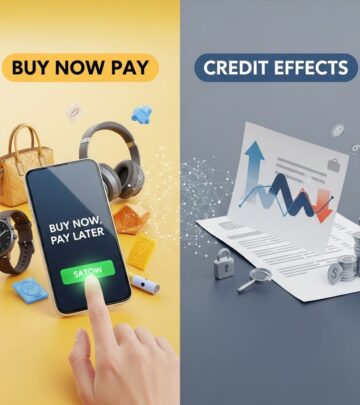
Discover how Buy Now, Pay Later is transforming holiday shopping in 2026, with rising usage, spending records, and key risks for consumers.
Buy Now, Pay Later (BNPL) services have become a cornerstone of modern retail, especially during high-stakes holiday periods. In 2025, these installment plans powered $20 billion in U.S. holiday purchases, marking a 9.8% increase from the prior year and underscoring their explosive growth. As we head into 2026, with ongoing inflation concerns and resilient consumer spending, BNPL is poised to play an even larger role, potentially reaching 50% adoption among U.S. adults. This article delves into the latest data, generational shifts, risks, and strategies for leveraging BNPL effectively during festive seasons.
The Rise of Installment Payments in Festive Retail
Holiday shopping in 2025 shattered records, with online sales surging nearly 8% to over $44 billion during Black Friday alone, fueled partly by BNPL options. Cyber Monday saw $14 billion in total spend, including a staggering $1 billion via BNPL, highlighting its appeal for splitting costs without immediate full payment. Projections for 2026 suggest continued momentum, as 86% of shoppers reported inflation influencing their budgets, prompting 69% to hunt for deals aggressively.
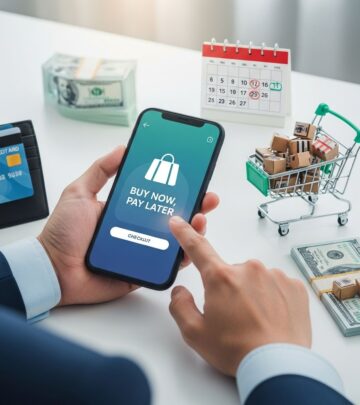
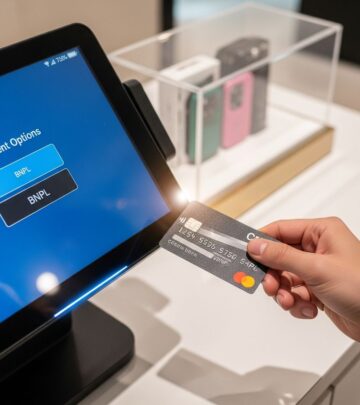
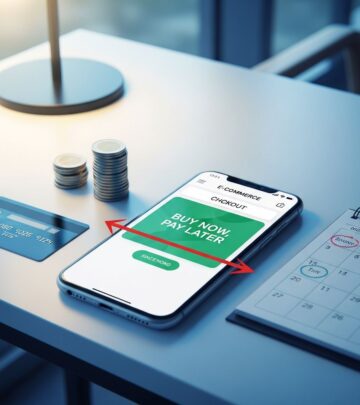
BNPL’s allure lies in its simplicity: shoppers select the option at checkout, agree to fixed installments (often interest-free if paid on time), and receive goods instantly. This model now accounts for 2.3% of total e-commerce in 2026, with users 26% more likely to complete purchases when available, boosting average order values by over 80%. Younger generations lead this charge, expanding retail consideration sets to chase value across platforms.
Consumer Demographics and Usage Patterns
Adoption spans ages but skews young. By 2026, half of U.S. adults will have tried BNPL at least once, up from 37% using it in the prior 90 days in 2025—a 5% yearly jump. Notably, 39% of users turn to it for holidays, and 36% for major sales events, extending beyond gifts to groceries (25% usage, up 11% YoY) and everyday needs (29% of Americans).
| Generation | BNPL Holiday Usage (%) | Deal-Seeking Behavior (%) |
|---|---|---|
| Gen Z | 55% | 78% |
| Millennials | 48% | 72% |
| Gen X | 35% | 65% |
| Boomers | 22% | 50% |
Data synthesized from 2025 surveys; Gen Z leads in multi-retailer shopping for value.
- 43% of consumers used or planned BNPL for 2025 holidays, doubling from 20% in 2023.
- Payment mix: Debit/cash dominate for control, but credit cards (42%) and BNPL rise for rewards/discounts.
- Everyday expansion: 29% for healthcare, dining, entertainment—signaling BNPL’s shift from luxury to necessity.
Advantages Driving BNPL Popularity
BNPL reduces cart abandonment by 20-30%, especially for impulse or lower-priced items, while enabling bigger baskets. Interest-free terms (if timely) beat credit card APRs, appealing amid inflation. Retailers benefit too, with higher conversions and loyalty via exclusive perks. In 2026, expect integration with rewards programs, as shoppers strategically deploy financing for stretched payments.
- Budget Flexibility: Split $500 gift hauls into four $125 payments, easing cash flow without debt accumulation.
- No Credit Impact (Often): Many providers skip hard inquiries, preserving scores.
- Impulse Control Aid: Fixed plans discourage overspending versus revolving credit.
Hidden Risks and Delinquency Realities
Convenience masks pitfalls. 41% of 2024 BNPL users missed payments, a trend persisting into 2025 as multiple loans complicate tracking. Unlike credit cards, BNPL lacks federal protections; late fees stack quickly, and defaults can spur collections or credit reporting (evolving practice). Over-reliance risks debt cycles, especially with grocery/essentials creep.
- Multiple Loans Overload: Holiday frenzy leads to 3-5 simultaneous plans, with due dates clashing.
- Fee Traps: $7-10 per late installment, plus potential interest if not paid off.
- Credit Reporting Shift: Providers like Affirm now report to bureaus, blending convenience with accountability.
Despite resilience, 2026 macro uncertainties (e.g., employment dips) could amplify defaults if spending stays unchecked.
Strategic Tips for Safe BNPL Use in Holidays
To harness BNPL without regret:
Align installments with paychecks; limit to 10-15% of monthly income. Track via apps, prioritize high-interest debts first.
| Do | Don’t |
|---|---|
| Compare total cost vs. cash/credit | Stack >2 loans concurrently |
| Set calendar reminders | Use for non-essentials only |
| Opt for pay-in-full early | Ignore fee structures |
In 2026, pair with budgeting apps for real-time oversight. Retailers: Emphasize value messaging, loyalty deals to retain price-sensitive shoppers.
Future Outlook: BNPL in a Steady Spending Era
Shoppers’ 2025 “steady as we go” pattern—sale-driven, value-focused—persists into 2026, with BNPL as a judicious tool amid steady employment. Global expansion looms, but U.S. focus remains on regulation (e.g., CFPB oversight) to curb abuses. Expect hybrid models blending BNPL with cards for rewards. Consumers must balance temptation with discipline for sustainable finances.
Frequently Asked Questions (FAQs)
What is Buy Now, Pay Later?
BNPL lets you pay for purchases in installments over weeks/months, often interest-free if on time. Popular providers: Afterpay, Klarna, Affirm.
Is BNPL safe for holiday shopping?
Yes, if used sparingly—track payments to avoid 41% delinquency risk. Better than high-APR cards for short-term needs.
Does BNPL affect my credit score?
Many don’t report; others do positively (on-time) or negatively (late). Check provider policy.
How much did BNPL contribute to 2025 holidays?
$20 billion, up 9.8%, powering record Cyber Monday spends.
Will BNPL grow in 2026?
Yes, to 50% adult usage, driven by inflation-savvy youth and everyday adoption.
References
- Holiday Spending is Rising: What to Know Before Using Buy Now … — CBE Group. 2025. https://cbegroup.com/holiday-spending/
- What can we expect from shoppers in 2026 based on holiday … — Bread Financial Newsroom. 2026. https://newsroom.breadfinancial.com/holiday-shopping-lookback-2026
- Buy Now, Pay Later Statistics 2026: Usage, Debt & Trends — Fortunly. 2026. https://fortunly.com/statistics/buy-now-pay-later-statistics/
Similar Articles








Read full bio of medha deb