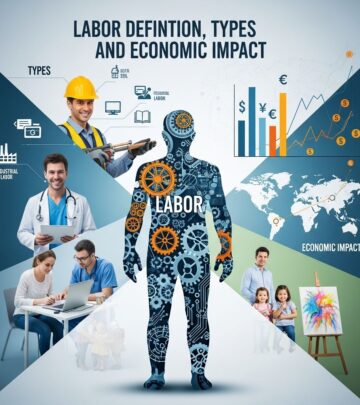
Blue-Collar Workers: Definition, Jobs & Benefits
Explore blue-collar work: definition, job types, skills, compensation, and career opportunities in skilled trades.

What Is a Blue-Collar Worker?
A blue-collar worker is an individual who performs manual labor or skilled trades across various industries. The term originated from the traditional practice of workers wearing durable blue uniforms or work clothes suitable for physically demanding tasks. Blue-collar work encompasses both skilled and unskilled labor, ranging from entry-level positions requiring minimal training to highly specialized trades demanding years of apprenticeships and technical expertise.
Blue-collar workers form the backbone of numerous industries including manufacturing, construction, transportation, utilities, maintenance, food processing, waste management, agriculture, and logistics. These professionals perform essential work that directly contributes to building and maintaining infrastructure, producing goods, and delivering critical services that keep economies functioning. Unlike white-collar positions focused on intellectual or administrative work, blue-collar roles emphasize hands-on execution, practical problem-solving, and technical proficiency.
Common Blue-Collar Job Types
The blue-collar sector encompasses a diverse range of professions, each requiring different skill levels and training pathways:
Skilled Trades
Skilled trades represent the upper tier of blue-collar employment, requiring formal training or apprenticeships. These positions demand technical expertise and specialized knowledge. Examples include:
- Electricians who install, maintain, and repair electrical systems in residential and commercial settings
- Plumbers who design and maintain water supply and drainage systems
- Welders who join metal components using various welding techniques
- HVAC technicians who install and service heating, ventilation, and air conditioning systems
- Carpenters who construct and repair wooden structures and frameworks
Manufacturing and Production
Manufacturing roles involve operating machinery, assembling products, and quality control. Factory workers, machine operators, and assembly line technicians perform repetitive tasks that require attention to detail and adherence to safety protocols.
Construction
Construction workers build and maintain infrastructure projects including buildings, roads, and bridges. Positions range from general laborers to specialized roles such as heavy equipment operators, concrete finishers, and construction supervisors.
Transportation and Logistics
This sector includes truck drivers, delivery personnel, warehouse workers, and material handlers who transport and organize goods. These roles are critical for supply chain operations and commerce.
Maintenance and Repair
Maintenance technicians service equipment, machinery, and facilities. This includes automotive mechanics, appliance repair specialists, and building maintenance workers.
Blue-Collar vs. White-Collar Employment
| Aspect | Blue-Collar | White-Collar |
|---|---|---|
| Work Environment | On-site, physical locations (factories, construction sites, service areas) | Office-based or remote corporate settings |
| Labor Type | Manual, hands-on physical work | Intellectual, administrative, managerial tasks |
| Required Training | Apprenticeships, trade schools, on-the-job training | Bachelor’s degree, professional certifications |
| Compensation Structure | Hourly wages with overtime opportunities | Fixed annual salary with bonuses |
| Skill Development | Technical and practical expertise | Analytical, communication, strategic skills |
| Physical Demands | High physical exertion and endurance required | Minimal physical demands, primarily sedentary |
Skills and Training Requirements
Blue-collar positions require a combination of technical skills, physical capabilities, and practical knowledge. While specific requirements vary by trade, common elements include:
Technical Competencies
Workers must master trade-specific tools, equipment, and techniques. Electricians need to understand electrical codes and circuit design, plumbers must know pipe systems and materials, and welders require mastery of various welding processes. Many skilled trades require formal certifications and licensing to practice legally.
Physical Abilities
Blue-collar work demands physical stamina, strength, and coordination. Workers often spend full shifts standing, lifting heavy objects, climbing, or performing repetitive motions. Good health and physical fitness directly impact job performance and injury prevention.
Safety Knowledge
Understanding workplace safety protocols is essential in blue-collar environments. Workers must correctly use personal protective equipment (PPE), follow safety procedures, and recognize hazards. Many positions require specific safety certifications such as OSHA training or first aid certification.
Problem-Solving Abilities
Blue-collar professionals frequently encounter unexpected challenges requiring quick thinking and practical solutions. Troubleshooting equipment failures, adapting to changing conditions, and making real-time decisions are critical competencies.
Compensation and Benefits
Blue-collar compensation structures differ significantly from white-collar employment. Most blue-collar workers receive hourly wages rather than fixed salaries, allowing them to earn overtime pay at premium rates. This flexibility can substantially increase annual earnings for workers willing to work additional hours.
Wage Potential
Compensation varies considerably based on specialization, experience, and geographic location. Skilled trades such as electrical work, plumbing, and HVAC can generate competitive annual incomes, with experienced professionals earning between $60,000 and $100,000 or more annually. Certain specialized positions like elevator mechanics and power plant operators earn mean wages exceeding $100,000 per year.
Union Membership Benefits
Many blue-collar workers belong to labor unions that negotiate collective bargaining agreements. Unionized positions typically offer superior benefits including comprehensive health insurance, defined benefit or 401(k) retirement plans, paid vacation time, and job security protections. Union membership also provides legal representation in workplace disputes and advocates for fair wages and working conditions.
Benefits Considerations
While union positions offer robust benefit packages, non-unionized blue-collar workers may have limited access to health insurance, retirement plans, and paid time off. This disparity creates financial planning challenges for some workers, making benefit evaluation an important factor when comparing job opportunities.
Advantages of Blue-Collar Careers
Blue-collar professions offer several compelling advantages for career-minded individuals:
- Job Security in Essential Industries: Construction, manufacturing, utilities, and maintenance sectors maintain consistent demand regardless of economic cycles, providing stable employment opportunities
- Entrepreneurship Opportunities: Skilled trades like plumbing, electrical work, and carpentry allow workers to establish independent businesses, creating wealth-building potential beyond employee positions
- Competitive Compensation: Experienced skilled trade workers earn salaries rivaling or exceeding white-collar professionals, particularly with specialization and business ownership
- Automation Resistance: Many blue-collar roles are inherently resistant to automation due to their hands-on nature and requirement for human judgment and adaptability
- Clear Career Progression: Apprenticeship pathways provide structured advancement from entry-level to journey-level to master status, with corresponding wage increases
Challenges Facing Blue-Collar Workers
Despite advantages, blue-collar workers encounter significant challenges:
Job Instability and Wage Volatility
Hourly compensation creates income fluctuations based on available work hours, seasonal variations, and project cycles. Construction workers and seasonal laborers face particularly unpredictable earnings patterns. Unlike salaried positions with consistent paychecks, hourly workers must carefully manage finances during slow periods.
Physical Health Risks
Blue-collar work involves higher injury rates and long-term health consequences compared to office work. Repetitive strain injuries, back problems, occupational diseases, and acute injuries from equipment or falls create chronic health challenges. Workers in manufacturing and construction face particular hazards requiring rigorous safety protocols.
Limited Benefits Access
Non-unionized blue-collar workers often lack comprehensive health insurance, retirement planning, and paid leave. This creates financial vulnerability during illness or injury and inadequate retirement preparation.
Social Stigma and Stereotypes
Blue-collar professions sometimes face unfair social stigmatization despite their economic importance. Misconceptions about worker intelligence and career prospects can affect self-perception and educational opportunities for younger workers.
Workplace Safety and Training
Safety represents a paramount concern in blue-collar industries. Employers implement comprehensive safety protocols including proper use of personal protective equipment, regular safety training, and emergency procedures. Proper training directly reduces workplace accidents and creates safer work environments. Workers wearing helmets, steel-toed boots, high-visibility vests, and appropriate gloves significantly reduce injury risks. Many employers mandate regular safety certifications and conduct safety audits to maintain compliance with regulatory standards.
The Evolution of Blue-Collar Work
Blue-collar employment is evolving with technological advancement and changing workplace dynamics. While the blue-collar versus white-collar distinction remains relevant, the boundaries increasingly blur. Modern blue-collar workers increasingly utilize digital tools, data analytics, and computerized equipment. Skilled trade professionals now require basic computer literacy and often work alongside technical specialists, blending manual expertise with technological proficiency. This convergence suggests that future blue-collar careers will demand hybrid skill sets combining traditional hands-on expertise with digital competence.
Education and Advancement Pathways
Multiple pathways support blue-collar career development. Trade schools provide focused technical training in specific skills, typically requiring one to two years of study. Apprenticeships combine classroom instruction with paid on-the-job training, often spanning three to five years. Community colleges offer certificate and associate degree programs preparing students for blue-collar careers while providing general education. Many employers offer internal training programs advancing workers to supervisory or specialized positions. Continuing education and specialized certifications enable career progression and wage growth throughout working years.
Economic Impact and Importance
Blue-collar workers drive economic productivity and development. These professionals build infrastructure, manufacture goods, transport supplies, and maintain essential services. Their contributions create the physical foundation upon which modern economies operate. Without skilled trades and manual laborers, construction would cease, manufacturing would halt, utilities would fail, and transportation systems would collapse. This fundamental importance underscores the critical role blue-collar workers play in economic stability and national resilience.
Improving Worker Satisfaction and Retention
Employers seeking to enhance blue-collar workforce engagement focus on several strategies: recognition programs acknowledging worker contributions, open communication channels addressing concerns, manageable work schedules reducing physical and mental strain, comprehensive safety investments protecting worker wellbeing, competitive compensation reflecting skills and experience, and advancement opportunities enabling career growth. These initiatives improve morale, reduce turnover, and create positive workplace cultures that attract and retain quality workers.
Frequently Asked Questions
What distinguishes blue-collar work from white-collar employment?
Blue-collar work involves manual labor and skilled trades performed in physical environments, while white-collar employment encompasses office-based administrative and intellectual work. Blue-collar positions typically involve hourly compensation and hands-on technical skills, whereas white-collar roles offer salaried positions requiring advanced education and analytical abilities.
Do blue-collar workers earn competitive salaries?
Yes, experienced skilled trade workers can earn substantial incomes. Electricians, plumbers, HVAC technicians, and welders frequently earn $60,000 to $100,000 annually, with some specialized positions exceeding $100,000. Overtime opportunities and business ownership potential further increase earnings for dedicated professionals.
What training is required for blue-collar careers?
Training pathways vary by trade but commonly include trade schools, apprenticeships combining classroom and on-the-job instruction, community college programs, and employer-provided training. Most skilled trades require 2-5 years of training before achieving journey-level certification.
Are blue-collar jobs affected by automation?
Many blue-collar positions are relatively resistant to automation due to their hands-on nature requiring human judgment and adaptability. However, technology increasingly supplements manual work, requiring workers to develop digital literacy alongside traditional trade skills.
What benefits do union membership provide blue-collar workers?
Union membership typically provides comprehensive health insurance, retirement plans, paid vacation time, job security protections, fair wage negotiations, legal representation in disputes, and advocacy for safe working conditions. These benefits significantly exceed those available to many non-unionized workers.
Can blue-collar workers transition to entrepreneurship?
Yes, skilled trades create excellent entrepreneurship opportunities. Electricians, plumbers, contractors, and other trade professionals frequently establish successful independent businesses, building wealth beyond employee earnings and gaining autonomy over work conditions and scheduling.
References
- Blue-collar worker — Wikipedia. Accessed 2025-11-29. https://en.wikipedia.org/wiki/Blue-collar_worker
- Blue collar meaning: Job types, challenges, and workforce — CultureMonkey. 2024. https://www.culturemonkey.io/employee-engagement/blue-collar-meaning/
- Blue Collar vs White Collar: Understanding the Differences — The Muse. Accessed 2025-11-29. https://www.themuse.com/advice/blue-collar-vs-white-collar
- What are Blue Collar Workers? Definition and Explanation — AllVoices. Accessed 2025-11-29. https://www.allvoices.co/glossary/blue-collar-workers
- Blue-Collar – (Intro to Sociology) – Vocab, Definition, Explanations — Fiveable. Accessed 2025-11-29. https://fiveable.me/key-terms/intro-to-sociology/blue-collar
Similar Articles








Read full bio of medha deb