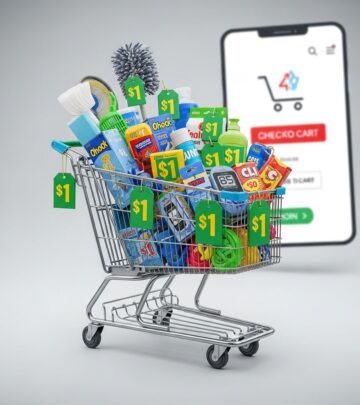
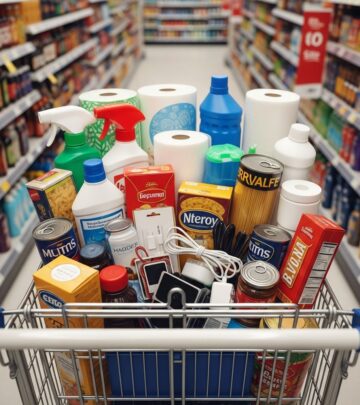
What’s a Bin Store, and Why Are They Popping Up?
Discover bin stores: treasure hunts for Amazon returns and overstock at rock-bottom prices that drop daily.
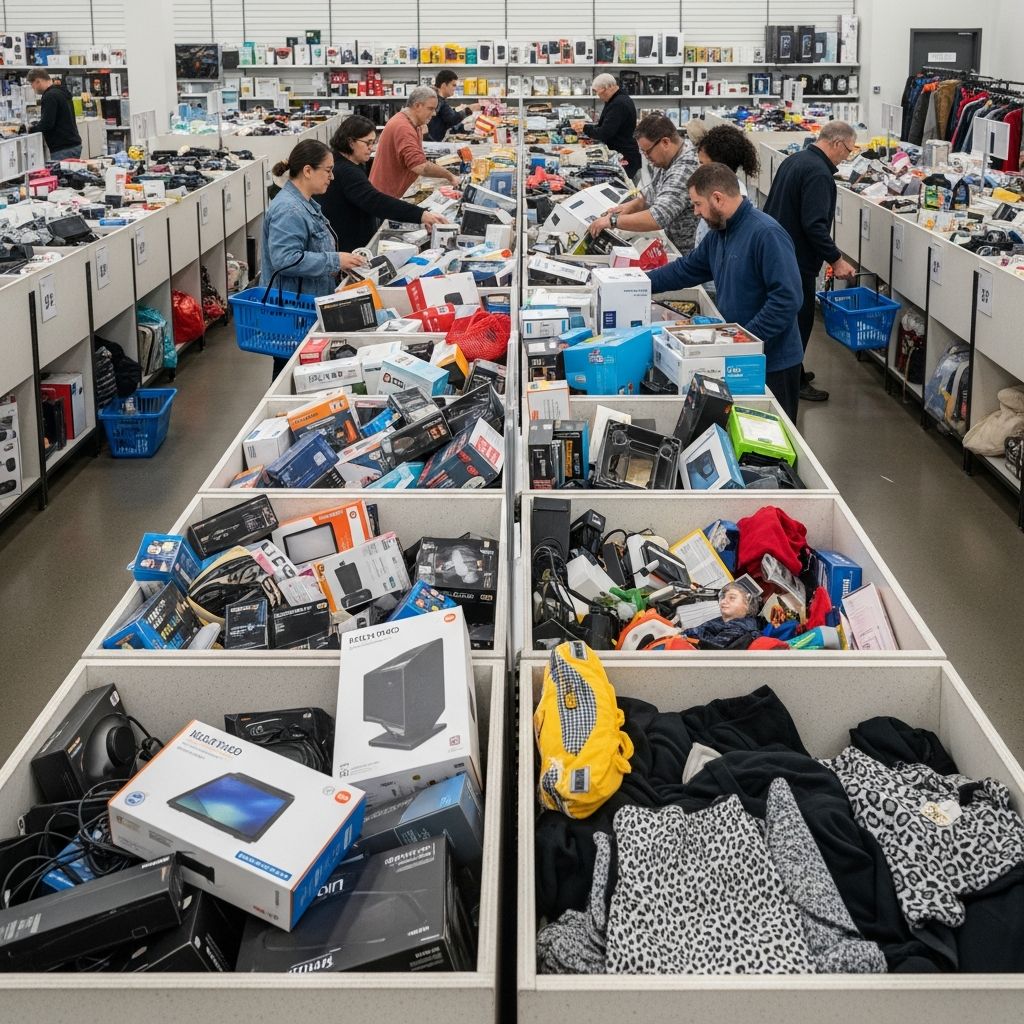
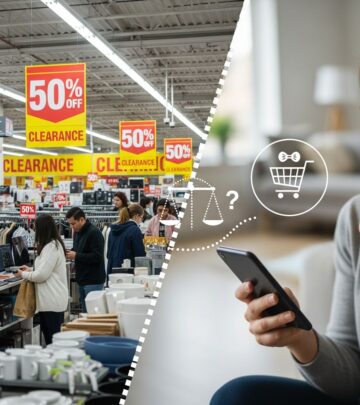
Bin stores are exploding in popularity across the United States, offering shoppers a thrilling treasure hunt for deeply discounted merchandise. These unique retail outlets purchase truckloads of returned or overstock items from giants like Amazon, Walmart, and Target, then sell them from large bins at prices that plummet each day of the week. What started as a niche liquidation concept has turned into a widespread phenomenon, drawing lines of bargain hunters eager to unearth high-value finds for pennies on the dollar.
The appeal lies in the unpredictability and potential for massive savings. Imagine snagging a $4,000 rifle scope for just $12 or a $600 PlayStation 5 for $6 — real stories from bin store customers that highlight the upside of this model. As e-commerce returns surge — with retailers liquidating excess inventory to recoup costs — bin stores have become the go-to destination for savvy shoppers looking to stretch their budgets amid rising living expenses.
How Do Bin Stores Work?
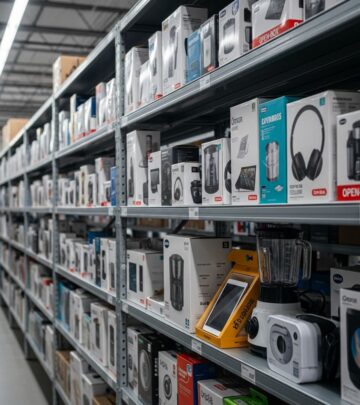
Bin stores follow a straightforward, repeatable cycle designed to move inventory quickly. Each week, they receive massive pallets or truckloads of unsorted returns and overstock from major retailers. These goods are dumped into large metal or plastic bins, where customers dig through them like modern-day prospectors. A key feature is the tiered pricing system: everything costs the same price on a given day, but that price drops progressively until the bins are cleared for fresh stock.
Restocking typically happens once a week, often on Thursdays or Fridays, when stores close to process new shipments. Opening day features the highest prices but the newest, often premium items. By mid-week, prices hit rock bottom, encouraging buyers to snap up whatever remains. This model ensures rapid turnover, minimizing storage costs for owners while creating urgency for shoppers.
Here’s a breakdown of a typical weekly pricing schedule, using examples from popular chains:
| Day | Hotbins (Florida) | The Bin Store (South Carolina) | Common Finds on High-Price Days |
|---|---|---|---|
| Friday | $12 | $6 | Electronics, appliances |
| Saturday | $10 | $6 | Toys, tools |
| Sunday | $8 | $5 | Clothing, bedding |
| Monday | $6 | $4 | Health & beauty |
| Tuesday | $4 | $3 | General merchandise |
| Wednesday | $2 | $2 | Clearance items |
| Thursday | Closed/Restock | $1 | Final clearance |
This structure varies slightly by location but maintains the core principle: buy low from liquidators, sell fast to eager crowds. Stores like Hotbins in Florida process Amazon returns exclusively, while others mix sources. Volumes are staggering — The Bin Store in South Carolina sorts through about 25,000 items weekly.
‘You Name It, We’ve Had It’
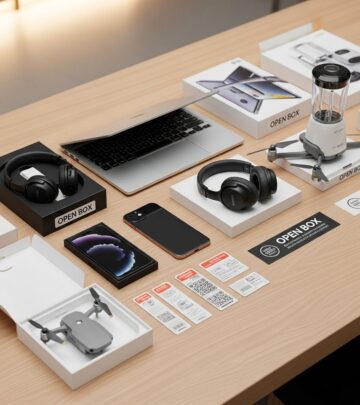
The variety at bin stores is staggering, mirroring the diverse inventory of online retail giants. Shoppers can find virtually anything: electronics like laptops, Xboxes, PlayStation 5s, phones, camera lenses, and cordless vacuums; household goods such as kitchen appliances, comforters, sheets, drapery, and tools; clothing and shoes in all sizes; toys for kids; health and beauty products; and random general merchandise.
Premium electronics dominate the early-week hauls. ‘Friday mornings, we have 70 to 100 people outside waiting for the door to open, because that’s when they find the premium items,’ says Mike Ijak, co-owner of Hotbins Tampa. Recent highlights include a $4,000 telescopic rifle sight sold for $12 and small kitchen appliances at a fraction of retail. At The Bin Store, Michael Prendamano reports lines of 200 on weekends for finds like $600 gaming consoles going for $6.
Not all items are winners — returns often mean used, damaged, or missing parts — but the thrill of discovery keeps crowds coming. Many stores have ‘opening stations’ where staff unpack mystery boxes, revealing contents on the spot. This adds to the excitement, as bins mix sealed packages with open goods. Seasonal surges, like holiday toys or hurricane-flooded apparel, can yield themed treasures.
Why Are Bin Stores Popping Up Everywhere?
The bin store boom stems from explosive e-commerce growth and return rates. Online shopping now accounts for a significant retail share, but returns hover at 20-30% — far higher than brick-and-mortar’s 8-10%. Retailers like Amazon and Walmart liquidate these via auctions to companies that supply bin stores, creating a profitable arbitrage opportunity.
Low overhead fuels expansion: bare-bones warehouses with minimal staffing, cash-only sales, and no-frills setups keep costs down. Owners buy blind pallets cheaply (e.g., $1,000 for goods worth thousands retail) and sell over days for double or more. Successful operators like Prendamano, in business since 2021, emphasize customer experience — lighting, music, AC — to build loyalty. Some regulars now do primary shopping here before traditional stores.
Challenges exist: oversaturation makes sourcing harder, and poor strategies lead to closures. Smart owners ‘sprinkle’ high-value items to sustain hype, avoiding full cherry-picking that could kill foot traffic. Thrift alternatives like Goodwill’s ‘by-the-pound’ outlets paved the way, but bin stores accelerate the model with daily price drops.
Bin Store Shopping Tips
To maximize success, approach bin stores strategically:
- Arrive early on restock day: Lines form hours ahead for first dibs on electronics and premium goods. Aim for opening to beat the rush.
- Bring essentials: Reusable bags (stores often don’t provide), gloves for dirty bins, cash (many are cash-only), and a flashlight for inspecting items.
- Inspect thoroughly: Test electronics if possible; check for damage, missing parts, or opened packaging. Returns can be as-is.
- Know the schedule: High-price days for quality, low-price for volume buys like toys or consumables.
- Buy now if you love it: Items vanish fast; don’t risk waiting for a price drop.
- Understand policies: Returns are limited or final sale — read signs.
Pro tip: Flip finds on eBay for profit, but prioritize personal needs to avoid hoarding.
Frequently Asked Questions (FAQs)
What is a bin store?
A bin store sells overstock and returned merchandise from retailers like Amazon in large bins, with uniform daily prices that decrease throughout the week.
Are bin store items new or used?
Mostly customer returns: some unopened, many used, damaged, or missing accessories. Inspect carefully.
How much can I save at a bin store?
Savings are huge — e.g., $4,000 scope for $12 — but depend on luck and inspection.
Do bin stores have return policies?
Often final sale or limited; check per store as they differ from retailers.
Are bin stores profitable for owners?
Yes, via low buy-in pallets and high turnover, though competition is rising.
What’s the best day to shop?
Fridays for premium items at highest (still low) prices; mid-week for bargains.
Bin stores redefine bargain hunting, turning retail waste into shopper wins. With prices as low as $1, they’re ideal for budget stretches — just dive in prepared.
References
- What’s a Bin Store, and Why Are They Popping Up All Over the Place? — The Penny Hoarder, Mike Brassfield. 2024. https://www.thepennyhoarder.com/save-money/bin-store/
- Bin stores are the hot new way to score ridiculous deals — The Hustle. 2024. https://thehustle.co/bin-stores-are-the-hot-new-way-to-score-ridiculous-deals
- Seven Days at the Bin Store — Hacker News. 2024-07-01. https://news.ycombinator.com/item?id=44192995
Similar Articles








Read full bio of Sneha Tete