Bills That Shape Your Credit Score
Discover which everyday bills can boost or damage your credit score, and learn strategies to protect and improve your financial profile effectively.
Your credit score is a critical number that lenders use to gauge your reliability in repaying debts. While many assume only loan payments matter, certain everyday bills can also play a role if they reach credit bureaus like Experian, TransUnion, and Equifax. This article breaks down the key bill types, their reporting mechanisms, and tips for maintaining a strong score.
Core Elements Driving Credit Scores
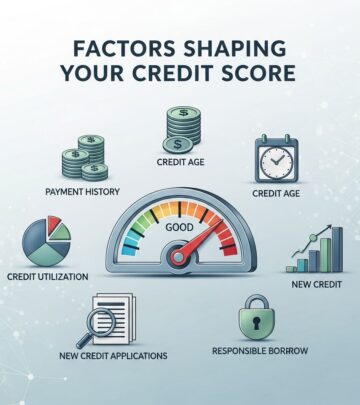
Credit scores, such as FICO and VantageScore, rely heavily on data from your credit report. Payment history accounts for 35% of your FICO score, making timely payments the top factor. Amounts owed contribute 30%, while credit history length (15%), new credit (10%), and credit mix (10%) fill out the rest.
Only bills reported to bureaus influence scores. Traditional credit accounts like credit cards and loans appear automatically. Non-credit bills, such as utilities or rent, typically do not unless escalated to collections.
Credit Accounts: The Primary Influencers
Payments on revolving credit (credit cards) and installment loans (mortgages, auto, student) directly build or harm your score. On-time payments demonstrate responsibility, boosting scores over time. A single late payment on a mortgage can drop your score by 60-80 points, with multiple misses risking foreclosure and up to 150-point losses.
- Credit Cards: Monthly balances and payments affect utilization ratio. Keep it under 30% for optimal scores.
- Auto Loans: Fixed payments reported monthly; delinquencies signal risk.
- Student Loans: Federal and private loans track payment history rigorously.
- Mortgages: Largest impact due to high balances; consistent payments build long-term positive history.
These accounts form the backbone of credit reports because lenders report activity routinely.
Non-Credit Bills and Their Hidden Risks
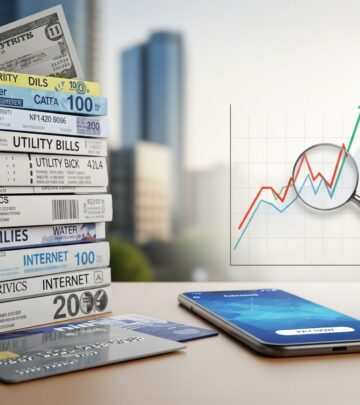
Common household expenses like utilities, phone, and insurance rarely report positive payments. Providers focus on service delivery, not credit reporting. However, prolonged non-payment changes this dynamic.
| Bill Type | Normal Reporting | Delinquency Impact |
|---|---|---|
| Utilities (electric, gas, water) | No positive reports | Collections after 30-90 days past due |
| Phone (mobile/landline) | Not reported | Hurts if sent to collections |
| Insurance premiums | Excluded (except health) | Collections possible |
| Internet/Cable/Streaming | No routine reports | Negative if charged off |
If unpaid for 30+ days, providers may send accounts to collections agencies, which report to bureaus. A collections entry can slash scores by 100+ points and lingers for seven years.
Rent Payments: Building Credit Through Consistency
Renters often miss credit-building opportunities since landlords seldom report payments. On-time rent doesn’t help, but eviction or collections for unpaid rent devastates scores.
Third-party services now bridge this gap, verifying electronic rent payments and reporting to bureaus. Eligible renters can add history retroactively, potentially raising scores by including positive payment data.
Medical Debt: Special Rules and Protections
Medical bills receive unique treatment due to billing complexities. Unpaid debts over $500 in collections appear after a one-year grace period (updated July 2022). Paid medical collections no longer show on reports.
Errors are common; 20% of Americans face medical debt issues per CFPB data. Dispute inaccuracies promptly to avoid unwarranted score drops. Recent changes give more time to resolve with providers before bureau reporting.
Tools to Turn Bills into Credit Boosters
Innovations like Experian Boost allow opt-in reporting of non-credit bills. Connect bank accounts to verify on-time payments for:
- Utilities (gas, electric, water, solar)
- Phone and streaming services
- Rent (online payments)
- Insurance and trash services
Boost ignores lates, so it can’t hurt scores, and updates FICO Score 8 instantly. Many users see immediate gains by adding overlooked positive history.
Similar services from competitors report rent or utilities, offering alternatives based on your providers.
Strategies to Safeguard Your Score from Bill Mishaps
Proactive habits prevent negative reporting:
- Automate Payments: Set up autopay for all bills to avoid forgets.
- Monitor Statements: Review monthly for errors, especially medical.
- Build Emergency Fund: Cover 3-6 months of essentials to handle surprises.
- Negotiate Delays: Contact providers early for hardship plans before 30 days late.
- Use Free Tools: Check reports weekly via AnnualCreditReport.com; opt into Boost services.
High utilization or multiple inquiries compound issues, so address root causes like debt.
Long-Term Effects of Bill Payment Patterns
Positive credit accounts build history over time, improving access to better rates. Negative marks fade after seven years, but early damage affects approvals for years. Consistent on-time payments across all bills, even unreported ones, foster discipline that translates to credit success.
For thin-file consumers (limited history), Boost or rent reporters accelerate building scores, aiding first-time borrowers.
FAQs
Do utility bills affect my credit score?
Only if delinquent and sent to collections; on-time payments do not report unless using services like Experian Boost.
Can rent help improve my credit?
Yes, via third-party reporting services or Boost for eligible payments.
How long do collections stay on my report?
Seven years from the original delinquency date.
Will medical bills ruin my credit?
Potentially if unpaid and reported after one year in collections; paid ones are removed.
Is Experian Boost free?
Yes, and it only adds positive on-time payment data.
Key Takeaways for Bill Management
Prioritize credit account payments, use tech for non-credit boosts, and act fast on delinquencies. Strong bill habits yield resilient credit profiles.
References
- What Kinds of Bills Affect Credit Scores? — Experian. 2023-2024. https://www.experian.com/blogs/ask-experian/what-kinds-of-bills-affect-credit-scores/
- What Bills Affect Your Credit Score? — Lexington Law. 2023. https://www.lexingtonlaw.com/blog/credit-101/what-bills-affect-score.html
- Bills That Don’t Affect Your Credit Score — APCI Federal Credit Union. 2023. https://www.apcifcu.org/blog/bills-that-dont-affect-your-credit-score
- What Bills Help Build Credit? — Self Inc. 2024. https://www.self.inc/blog/what-bills-help-build-credit
- How Paying Bills Can Affect Your Credit Score — American Express. 2023. https://www.americanexpress.com/en-us/credit-cards/credit-intel/paying-bills-can-affect-credit-score/
- How These 7 Bills Affect Your Credit Score — CMG Financial. 2020-12-16. https://www.cmgfi.com/blog/how-these-7-bills-affect-your-credit-score-12-16-2020
- What Affects Your Credit Scores? — Experian. 2024. https://www.experian.com/blogs/ask-experian/credit-education/score-basics/what-affects-your-credit-scores/
Similar Articles








Read full bio of Sneha Tete