Bills Payable: Definition, Recording, and Financial Impact
Understanding bills payable: Essential liability management for business accounting and cash flow.

Bills Payable: Definition and Overview
Bills payable represent one of the most common short-term liabilities that businesses encounter in their day-to-day operations. At its core, a bill payable is an obligation a company owes to its creditors, suppliers, or vendors for goods and services purchased on credit. These liabilities arise when a business receives products or services before making payment, creating a debt that must be settled within an agreed-upon timeframe. Understanding bills payable is crucial for business owners, accountants, and financial managers because these obligations directly impact cash flow management, creditworthiness, and overall financial health.
Bills payable function as a critical component of the accounts payable system. When a company purchases inventory, office supplies, or other goods on credit, the seller provides a bill or invoice detailing the amount owed and the payment deadline. This bill becomes a formal record of the debt, and the company must track and manage these obligations to maintain proper financial records and sustain positive relationships with suppliers.
Key Characteristics of Bills Payable
Bills payable possess several distinctive features that differentiate them from other types of business liabilities:
Short-Term Nature
Bills payable are classified as current liabilities because they are typically due within twelve months, often within 30 to 90 days. This short payment window requires businesses to maintain adequate cash reserves and efficient cash flow management to meet these obligations promptly.
Informal Agreements
Unlike notes payable, which involve formal written promissory notes, bills payable are usually based on informal purchase agreements. The seller issues an invoice or bill, and the buyer accepts the terms implicitly by receiving the goods or services. No formal contract or written promise to repay is required, making the process simpler and faster for routine business transactions.
No Interest Component
In most cases, bills payable do not carry interest charges. The amount owed equals the purchase price of the goods or services. However, some suppliers may offer early payment discounts or charge late fees if payment extends beyond the agreed-upon terms.
Vendor-Based Obligations
Bills payable typically arise from transactions with suppliers, vendors, and service providers rather than financial institutions. This distinguishes them from bank loans or other formal financing arrangements.
Bills Payable vs. Other Payables
Understanding the distinctions between bills payable and other types of payables is essential for proper financial reporting and analysis.
| Characteristic | Bills Payable | Accounts Payable | Notes Payable |
|---|---|---|---|
| Agreement Type | Informal invoice | Informal invoice | Formal promissory note |
| Interest Charged | Typically none | Typically none | Usually included |
| Term Duration | Short-term (under 12 months) | Short-term (under 12 months) | Can be short or long-term |
| Creditor Type | Suppliers and vendors | Suppliers and vendors | Banks, financial institutions, or other parties |
| Enforcement | Based on business practice | Based on business practice | Legally enforceable |
Recording Bills Payable in Accounting
Proper recording of bills payable is essential for maintaining accurate financial records. When a company receives goods or services on credit, two journal entries are typically required:
Initial Purchase Entry
When goods are received or services are rendered, the company records an asset or expense debit and a bills payable credit. For example, if a manufacturing company purchases $5,000 in raw materials on credit, the entry would increase inventory (an asset) and increase bills payable (a liability).
Payment Entry
When the bill is paid, the company records a debit to bills payable and a credit to cash. This reduces both the liability and the company’s cash balance, reflecting the settlement of the obligation.
Balance Sheet Classification
Bills payable appear on the balance sheet as current liabilities because they are expected to be settled within twelve months. On the balance sheet, they are typically grouped with other short-term obligations such as accounts payable, accrued expenses, and short-term portions of long-term debt. This classification helps financial analysts and investors quickly assess a company’s short-term financial obligations and its ability to meet them.
Impact on Cash Flow Management
Managing bills payable effectively is crucial for maintaining healthy cash flow. Companies must balance the need to preserve cash with the requirement to pay suppliers on time. Several strategies can help optimize cash flow related to bills payable:
Days Payable Outstanding (DPO)
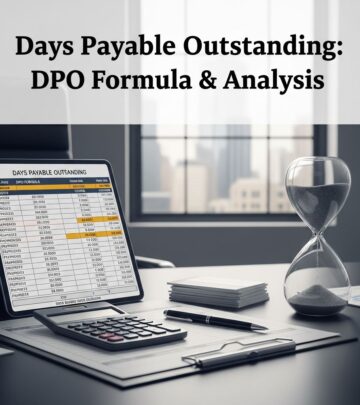
DPO measures the average number of days a company takes to pay its invoices. A company with favorable payment terms might extend payment by 40 or 50 days even though the original terms were 30 days, thereby improving cash flow temporarily. However, this must be balanced against maintaining positive supplier relationships.
Early Payment Discounts
Many suppliers offer discounts for early payment, such as 2/10 net 30 (2% discount if paid within 10 days, otherwise full payment due in 30 days). Companies must evaluate whether the discount savings justify the early cash outflow.
Supplier Relationship Management
Paying bills on time strengthens relationships with suppliers and can lead to better terms, priority service, and potential volume discounts in the future. Consistently late payments can damage these relationships and result in more restrictive payment terms.
Impact on Creditworthiness
A company’s handling of bills payable directly affects its creditworthiness and credit rating. Businesses that consistently pay their bills on time are viewed as more reliable and creditworthy, which can lead to several advantages:
Improved Loan Terms: Banks and other lenders are more likely to offer favorable interest rates and terms to companies with strong payment histories.
Better Supplier Relationships: Suppliers are more willing to extend credit and offer favorable terms to companies that have demonstrated reliability.
Enhanced Business Reputation: A strong payment history enhances the company’s reputation in its industry, potentially attracting better business opportunities and partnerships.
Impact on Cost of Goods Sold
Bills payable, representing purchases made on credit, directly impact the cost of goods sold (COGS). Accurate tracking and timely payment of bills payable help companies determine their true COGS and overall profitability. When COGS is accurately calculated, companies can price their products appropriately and make informed decisions about profitability and operational efficiency.
Internal Controls for Bills Payable
Effective internal controls over bills payable are essential to prevent fraud, unauthorized payments, and errors. Key control procedures typically include:
Segregation of Duties: Different employees should handle the ordering, receiving, and payment functions to ensure checks and balances.
Documentation Review: All bills should be matched with purchase orders and receiving reports before payment is authorized.
Approval Process: Payments should require approval from authorized personnel based on established authority limits.
Regular Reconciliation: Bills payable subsidiary ledgers should be reconciled regularly with general ledger accounts and supplier statements.
Frequently Asked Questions
Q: What is the difference between bills payable and accounts payable?
A: Bills payable and accounts payable are essentially the same thing—both represent short-term obligations to suppliers for goods and services purchased on credit. The terms are often used interchangeably in accounting, though “accounts payable” is more commonly used in modern business terminology.
Q: Are bills payable considered current liabilities?
A: Yes, bills payable are classified as current liabilities because they are typically due within twelve months, often within 30 to 90 days of the purchase.
Q: How do bills payable affect a company’s financial ratios?
A: Bills payable impact important financial ratios such as the current ratio (current assets divided by current liabilities) and the quick ratio. A higher level of bills payable relative to current assets indicates lower liquidity and potential difficulty meeting short-term obligations.
Q: Can bills payable carry interest charges?
A: Typically, bills payable do not carry interest charges. However, if payment is significantly delayed beyond agreed terms, suppliers may charge late fees or interest. Early payment may qualify for discounts offered by the supplier.
Q: How should companies prioritize bill payments?
A: Companies should prioritize paying bills according to their agreed payment terms while maintaining adequate cash reserves for operations. Those offering early payment discounts should be evaluated based on the discount rate’s attractiveness compared to the cost of capital.
References
- Accounts Payable vs. Notes Payable: Differences & Examples — Allianz Trade. 2025. https://www.allianz-trade.com/en_US/insights/accounts-payable-vs-notes-payable.html
- Notes Payable – Learn How to Book NP on a Balance Sheet — Corporate Finance Institute. 2025. https://corporatefinanceinstitute.com/resources/accounting/notes-payable/
Similar Articles








Read full bio of Sneha Tete