Biking to Work: A Complete Guide to Saving Money
Start bike commuting and save money while improving your health and fitness.
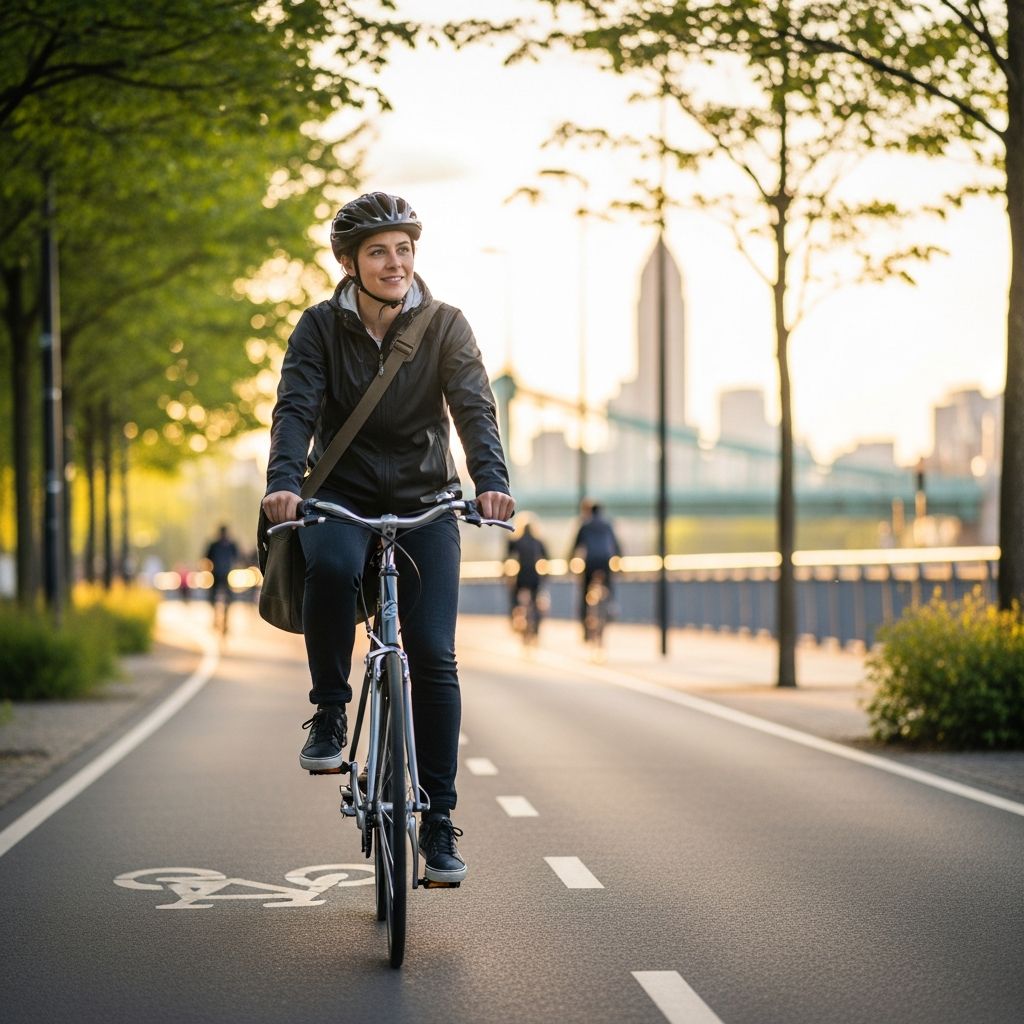
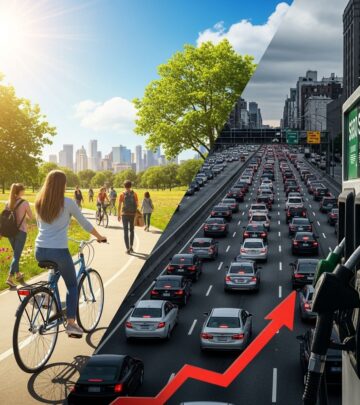
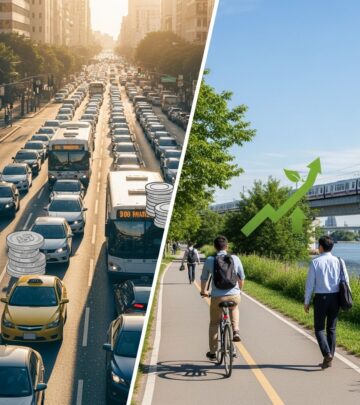
Commuting to work is one of the biggest expenses in many people’s monthly budgets. Between gas, car maintenance, parking fees, and vehicle insurance, transportation costs can quickly accumulate. One effective solution that’s gaining popularity is bike commuting. By switching from driving to cycling, you can save substantial amounts of money while simultaneously improving your physical health and reducing your environmental impact.
My journey into bike commuting started unexpectedly. On a particularly muggy morning, I decided to attempt riding my bike to work—a short 2-mile commute. Without proper planning, the right clothing, or even checking my bike’s condition, I set out on what would become an eye-opening experience. Wearing dark jeans and a black tunic in mid-90-degree heat, I found myself drenched in sweat within the first mile. The ride felt impossibly difficult, leaving me wondering if I had simply lost my fitness or if biking had always been this challenging.
The answer came from an unexpected source: a stranger at a bus stop pointed out that my tires were completely flat. This simple oversight turned what should have been an easy ride into an exhausting struggle. After Ubering home that afternoon, I realized that successful bike commuting requires more than just willpower—it demands proper planning and preparation.
The Financial Benefits of Bike Commuting
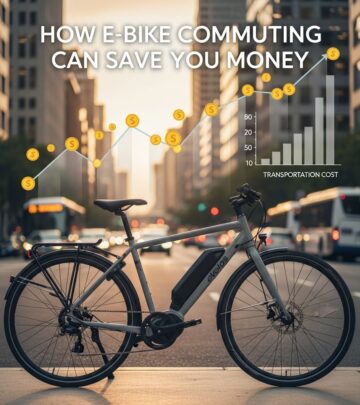
One of the most compelling reasons to consider biking to work is the financial savings it offers. While the exact amount varies depending on your current commuting expenses, the potential savings are substantial.
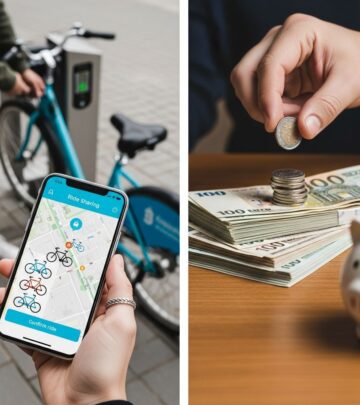
For those who currently pay for parking, bike commuting can eliminate this recurring monthly expense entirely. In my case, ditching my $75-per-month parking pass alone justifies the switch to cycling. Over a year, that’s $900 in savings—money that can be redirected toward savings, investments, or other financial goals.
Beyond parking fees, bike commuting reduces or eliminates several other transportation-related expenses:
- Gasoline costs: No fuel consumption means significant savings for those with longer commutes
- Vehicle maintenance: Less driving means fewer oil changes, tire replacements, and mechanical repairs
- Car insurance: Reduced mileage may lower your insurance premiums
- Parking validation: Eliminates daily or hourly parking fees in urban areas
- Vehicle depreciation: Fewer miles driven means slower depreciation of your vehicle
Additionally, biking to work can influence your spending habits in unexpected ways. When you’re limited by what fits in your bike basket or backpack, you’re naturally less likely to make impulse purchases. I’ve noticed that stopping at the grocery store on the ride home requires careful consideration of what I can actually carry, which has reduced my tendency toward unnecessary buys.
7 Tips for Anyone Who Wants to Start Biking to Work
1. Do a Weekend Test Run
The most important first step in your bike commuting journey is conducting a practice run during the weekend. This allows you to identify potential issues without the pressure of being late for work.
During your test ride, pay attention to the actual route you’ll be taking. You may discover that your usual driving route is far from bike-friendly. Look for bike lanes, assess traffic patterns, and note any steep hills or challenging terrain you hadn’t noticed from your car. If possible, wear the same clothing you typically wear to work to get a realistic sense of how much you’ll sweat and whether your work attire is appropriate for cycling.
This practice run serves multiple purposes: it helps you identify the best route, reveals any mechanical issues with your bike, and gives you confidence before attempting your first official commute. Most importantly, it prevents you from arriving at work disheveled, exhausted, or late on your first attempt.
2. Plan Your Route Carefully
Route planning is crucial for a successful bike commute. Rather than simply taking the same path you drive, invest time in researching bike-friendly alternatives. Many cities now have dedicated bike lanes and maps showing cycling routes that avoid heavy traffic.
When selecting your route, prioritize safety and comfort over speed. A slightly longer route that includes protected bike lanes is preferable to a shorter route with heavy traffic. Consider factors like:
- Availability of bike lanes or paths
- Traffic volume and speed limits on the roads
- Road surface quality and maintenance
- Elevation changes and hill difficulty
- Lighting conditions if you commute during early morning or evening
- Access to water fountains or rest stops
3. Invest in Basic Bike Maintenance
Before you start commuting, ensure your bike is in good working condition. Check your tire pressure—this was my first lesson learned. Properly inflated tires make an enormous difference in how easy your ride feels and how fast you can travel.
Beyond tire pressure, learn how to perform basic maintenance tasks:
- Brake adjustment: Ensure both brakes are functioning properly and stopping power is adequate
- Chain lubrication: A clean, well-lubricated chain runs more smoothly and lasts longer
- Gear shifting: Test that all gears shift smoothly without skipping
- Seat height: Proper seat positioning prevents knee strain and improves efficiency
- Light functionality: If commuting in low light, ensure front and rear lights work properly
Consider taking your bike to a professional mechanic for a full tune-up before beginning regular commuting. This small investment prevents breakdowns and ensures your bike performs optimally.
4. Choose Appropriate Clothing and Gear
Dressing properly for bike commuting significantly impacts your comfort and willingness to ride regularly. The clothing you wear to work may not be ideal for cycling, so consider these options:
For warm weather commuting: Wear moisture-wicking athletic clothing during your ride and carry your work clothes in a backpack. Many workplaces have showers or locker rooms where you can change and freshen up upon arrival. If this isn’t an option, look for lightweight, breathable work clothing that won’t show sweat stains excessively.
For cooler weather: Invest in cycling-specific jackets and pants designed to shed wind and light rain while allowing breathability. Layering is key—you can remove layers as you warm up during the ride.
Essential gear to invest in includes:
- A properly fitted helmet (non-negotiable for safety)
- Lights for visibility during low-light conditions
- A comfortable bike seat or seat cover
- Padded cycling shorts or pants to reduce discomfort
- Cycling gloves for improved grip and weather protection
5. Start Slowly and Build Consistency
Don’t expect to bike commute five days a week immediately. Instead, commit to cycling just three or four times per month initially, then gradually increase frequency as you build fitness and confidence.
Your first few attempts may not go perfectly. You might arrive sweaty and exhausted, experience mechanical issues, or feel your muscles struggling more than expected. This is completely normal. After three or four successful rides, most people find that bike commuting becomes significantly easier and more enjoyable.
The physical conditioning required for regular cycling develops quickly. Your leg muscles strengthen, your cardiovascular fitness improves, and the effort required to complete your commute decreases noticeably within a few weeks of consistent riding.
6. Be Prepared for Bad Weather
Weather is one of the biggest challenges bike commuters face. Living in Florida where thunderstorms are unpredictable, I’ve learned the importance of weather preparation.
Invest in compact, portable rain gear that doesn’t interfere with cycling. A kid-size poncho, for example, provides weather protection while being short enough to avoid catching in your pedals or wheels. Keep emergency rain gear in your backpack or locker at work so it’s always available.
Equally important is having a backup plan for days when weather makes biking unsafe. Obviously, you should never bike during lightning storms or extreme weather conditions. Instead, establish alternative commute options:
- A nearby parking option that doesn’t require a monthly pass
- A convenient bus route near your office
- A co-worker who occasionally provides rides
- Ride-sharing services (Uber or Lyft) worked into your monthly budget
Having these backup options ensures that bad weather doesn’t force you to choose between unsafe biking and missing work.
7. Prioritize Safety Above All Else
Your safety should always be the highest priority in bike commuting. Wear a helmet every single time you ride—there are no exceptions. A helmet can mean the difference between a minor incident and a life-altering injury.
Beyond helmets, make yourself visible to other road users by wearing bright colors, using lights, and positioning yourself defensively in traffic. Follow all traffic laws and assume that drivers don’t see you. Ride predictably, signal your intentions clearly, and stay alert to potential hazards.
Is Bike Commuting Right for You?
While bike commuting offers numerous benefits, it’s not the ideal solution for everyone. Several factors determine whether it’s a viable option for your situation:
| Factor | Favorable for Bike Commuting | Unfavorable for Bike Commuting |
|---|---|---|
| Schedule Flexibility | Flexible work hours that accommodate cycling time | Rigid schedule requiring precise arrival times |
| Distance to Work | Less than 5 miles one-way | More than 10 miles one-way |
| Workplace Environment | Casual dress code with shower facilities | Formal dress code without changing facilities |
| Climate | Mild year-round with minimal snow | Extreme winters with heavy snow or ice |
| Family Obligations | No need to transport children | Daily school drop-off or day care runs required |
| Personal Safety | Bike-friendly infrastructure and safe routes | High crime areas or dangerous traffic conditions |
Bike commuting worked well for me due to several circumstances: I have a flexible schedule that accommodates the extra time cycling requires, my workplace is casual and located in a bike-friendly pocket of St. Petersburg, Florida, where snow and subzero temperatures are non-existent. I don’t have children who need transportation to school, and I feel safe cycling in my area.
Your ideal commute is one that doesn’t leave you frazzled before you’ve even arrived at work. If bike commuting would cause excessive stress, lengthy travel times, or safety concerns, the financial savings probably aren’t worth the negative impact on your wellbeing.
Making the Commitment
If you’re considering bike commuting, give yourself permission to try it without fully committing immediately. Challenge yourself to bike to work three or four times over the next several months. Don’t judge the experience based on your first attempt. Instead, evaluate how you feel after several rides when you’ve developed a routine, your body has acclimated, and you’ve worked out the logistical kinks.
You might discover that bike commuting isn’t for you—and that’s perfectly acceptable. Financial savings mean nothing if they come at the cost of your comfort and mental health. However, don’t be surprised if you find yourself enjoying it. Many bike commuters find that their workdays become significantly more enjoyable when they start and end with a bike ride instead of circling a parking garage searching for a spot.
The financial bonus is genuinely sweet. In my case, the $75 monthly savings on parking alone justifies the switch. For others with longer commutes or higher fuel costs, the savings could be substantially more. Combined with the health benefits of regular exercise, improved mental health from outdoor activity, and reduced environmental impact, bike commuting offers advantages that extend far beyond what appears in your bank account.
Getting Started Today
Ready to begin your bike commuting journey? Start by conducting that weekend test ride. Assess your current route, check your bike’s condition, and evaluate whether bike commuting aligns with your lifestyle. Research bike-friendly routes in your area and connect with local cycling communities for advice and support.
Remember that bike commuting is not an all-or-nothing proposition. You can start by biking one or two days per week while maintaining your current commute method on other days. This gradual approach allows you to build fitness, refine your routine, and determine whether bike commuting is sustainable long-term for your specific situation.
The money you’ll save, the exercise you’ll gain, and the sense of accomplishment from choosing a healthier commute option are all worthwhile benefits. Your first bike commute might be challenging, but with proper planning and realistic expectations, you can transform your daily trip to work into an enjoyable, money-saving, and health-promoting routine.
Frequently Asked Questions
Q: How much money can I realistically save by biking to work?
A: Savings vary based on current expenses. Eliminating a $75 monthly parking pass saves $900 yearly. Reducing gas costs, vehicle maintenance, and insurance can increase total savings to $2,000 or more annually for those with longer commutes or higher fuel expenses.
Q: What should I do if my commute is too long for biking?
A: Consider hybrid approaches such as biking part of the way and using public transportation for the remainder, or investing in an electric bike that reduces the physical demands of longer distances.
Q: Is bike commuting safe in heavy traffic?
A: Safety depends on infrastructure and route selection. Prioritize routes with dedicated bike lanes, and avoid riding during peak traffic hours if possible. Always wear a helmet and use lights and reflective gear.
Q: What’s the best bike for commuting?
A: Hybrid bikes or road bikes work well for most commutes. Choose a bike that’s comfortable, durable, and suited to your local terrain. Visit a local bike shop for professional fitting and recommendations.
Q: How do I stay clean and presentable at work after cycling?
A: Wear athletic clothing while riding and carry work clothes in a backpack. If your workplace has shower facilities, use them. Alternatively, choose lightweight, moisture-wicking work clothing that doesn’t show sweat extensively.
Q: Can I bike commute year-round in cold climates?
A: Yes, with proper equipment. Invest in winter-specific clothing, studded tires for icy conditions, and lights for dark mornings. Many cycle commuters in northern regions ride year-round, though extreme conditions may require backup transportation options.
References
- I Save $75 a Month by Biking to Work. Here’s How I Got Started — The Penny Hoarder. 2024. https://www.thepennyhoarder.com/save-money/biking-to-work/
- The Most Important Socio-Economic Impact of Cycling Lies in the Area of Health Care — League of American Bicyclists. 2023. https://bikeleague.org/
- Transportation Cost Benefits that Exceed Private Vehicle Expenses — U.S. Department of Transportation. 2024. https://www.dot.gov/
Similar Articles








Read full bio of medha deb